


Could a Neighbourhood Food Hub Cut the Grocery Bill? Box Divvy Opens in Zillmere

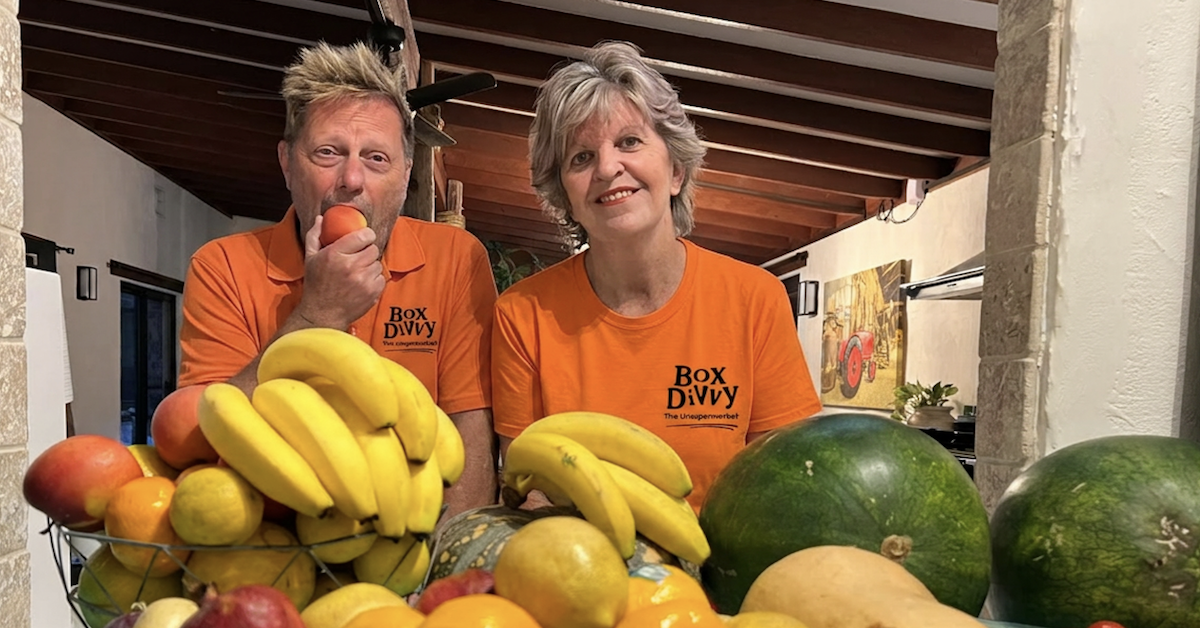
Aspley residents have a new way to buy fresh food nearby, with community food network Box Divvy opening a neighbourhood Hub in Zillmere as part of its first expansion into Queensland.


The Zillmere Hub is one of five opening across the state, alongside Banyo, Browns Plains, Kingston and Regents Park.

Box Divvy already has more than 400 neighbourhood Hubs supporting almost 16,000 families across NSW, the ACT and Victoria. Instead of operating conventional stores or delivering separately to every household, it groups customers’ orders and delivers them in bulk to a local Hub for collection.

Its Queensland launch also comes with an eye-catching price comparison.

On 17 August, Box Divvy priced a basket of 21 fresh produce items at $86.37 through its network, including the Hubster fee. It said the same basket cost $142.62 using a major supermarket’s online prices that day — a difference of 39 per cent.
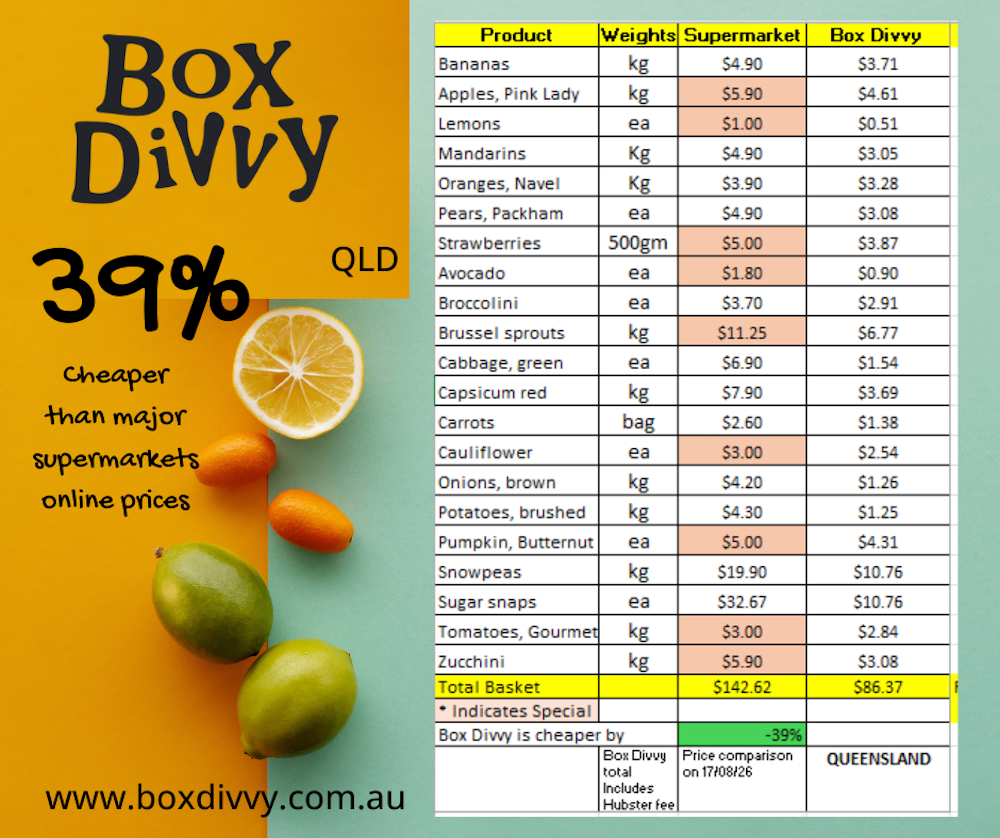
Photo Credit: Supplied

The comparison was conducted by Box Divvy itself and represents prices on one particular day. Co-founders Jayne Travers-Drapes and Anton van den Berg say shoppers should not expect to save 39 per cent every week.

Fresh produce prices change with seasons, weather and supply. More typically, they say, Box Divvy can be up to 30 per cent cheaper on a seasonal basket.

How Does a Neighbourhood Hub Work?

There are no Box Divvy stores.

Members order online each week and their purchases are combined into a bulk delivery to a neighbourhood Hub, which can operate from a garage, carport or community space. The local operator, known as a “Hubster”, separates the delivery into individual orders for members to collect.

The idea began with a question.

“Why does good food have to be so expensive when farmers are often receiving a relatively small share of what consumers pay?” the founders said.

Their answer was to combine the buying power of a neighbourhood while still allowing households to customise their own orders.

As more people began setting up Hubs themselves, Travers-Drapes and van den Berg realised the concept could grow beyond a single street co-op.
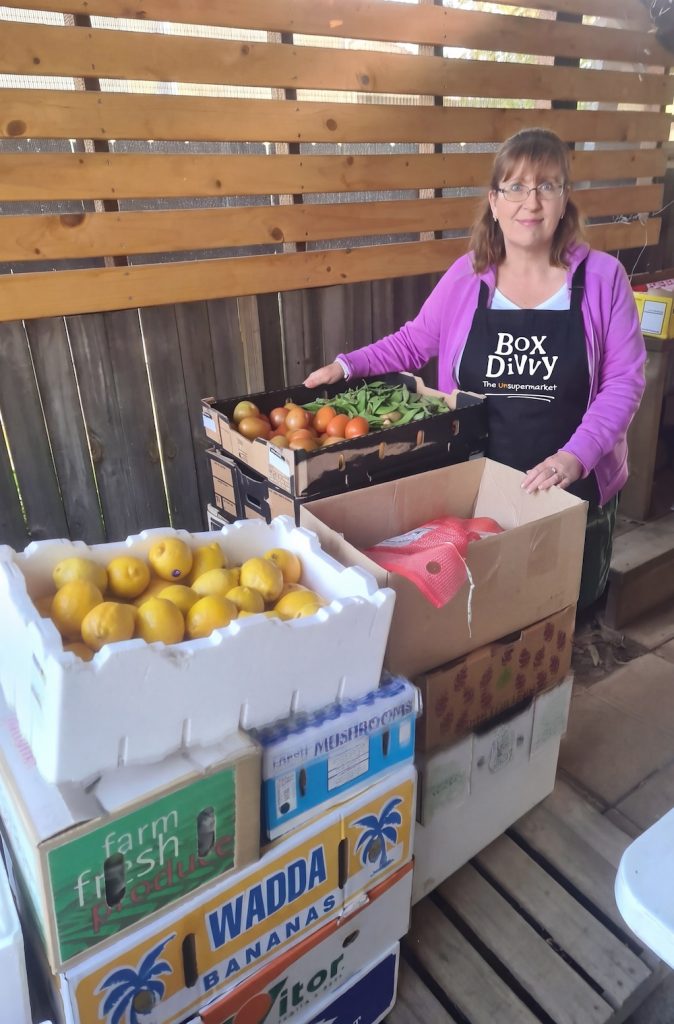
Photo Credit: Supplied

Where Do the Savings Come From?

Box Divvy says much of the difference comes from packing and delivery.

Instead of individually packing every household order before delivery, produce can be bulk-packed for each Hub — perhaps 16 kilograms of Pink Lady apples or 23 kilograms of bananas — and divided locally.

Deliveries are consolidated too. The founders say a six-to-eight-hour delivery run can handle the equivalent of 150 to 200 household orders because the vehicle stops at Hubs rather than individual homes.

The model also avoids the costs associated with operating conventional retail stores.
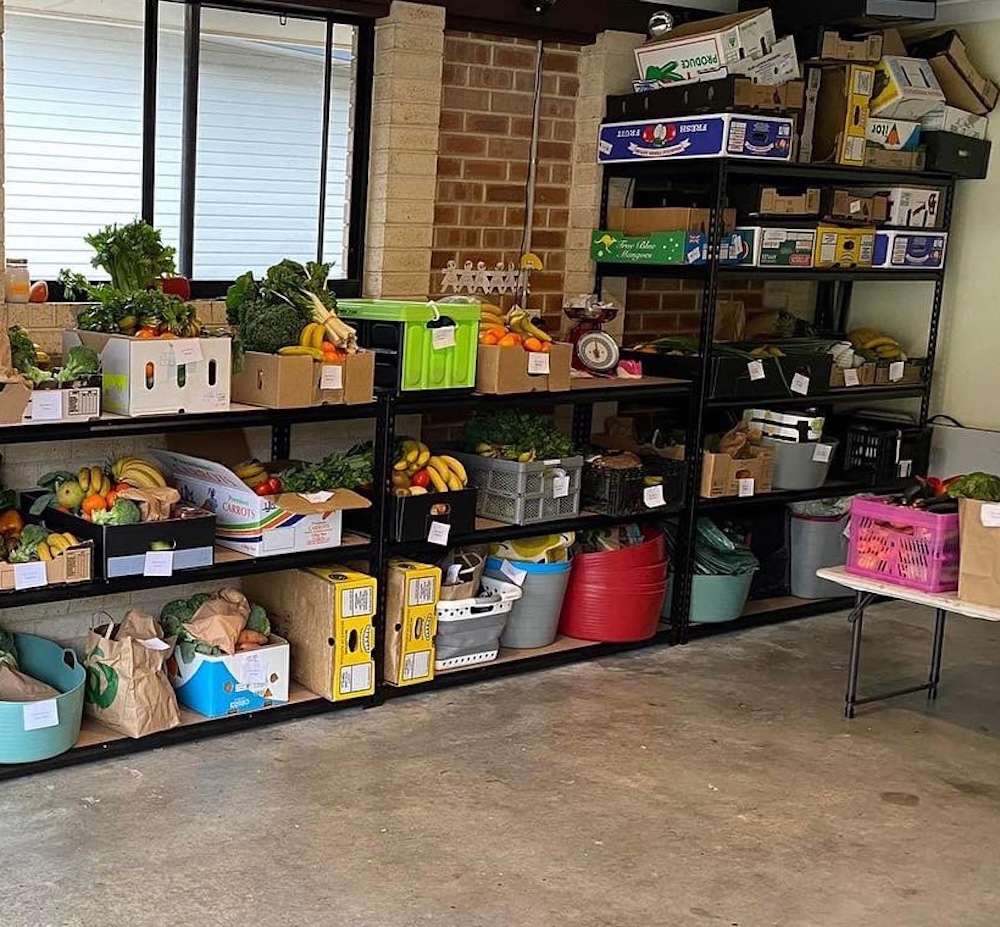
Photo Credit: Supplied

“So the savings aren’t coming from squeezing farmers,” the founders said. “The aim is to remove unnecessary costs between the farmer and the household, and share that value more fairly.”

Produce does not necessarily have to conform to supermarket presentation standards either.

“A wonky carrot or an unusually large zucchini doesn’t suddenly become a problem because it doesn’t conform to a supermarket display standard,” they said.

Shopping With the Seasons

The model encourages shoppers to follow what is plentiful rather than expect exactly the same produce throughout the year.

“When something is plentiful and at its best, that’s often when consumers get the best value,” Travers-Drapes and van den Berg said.
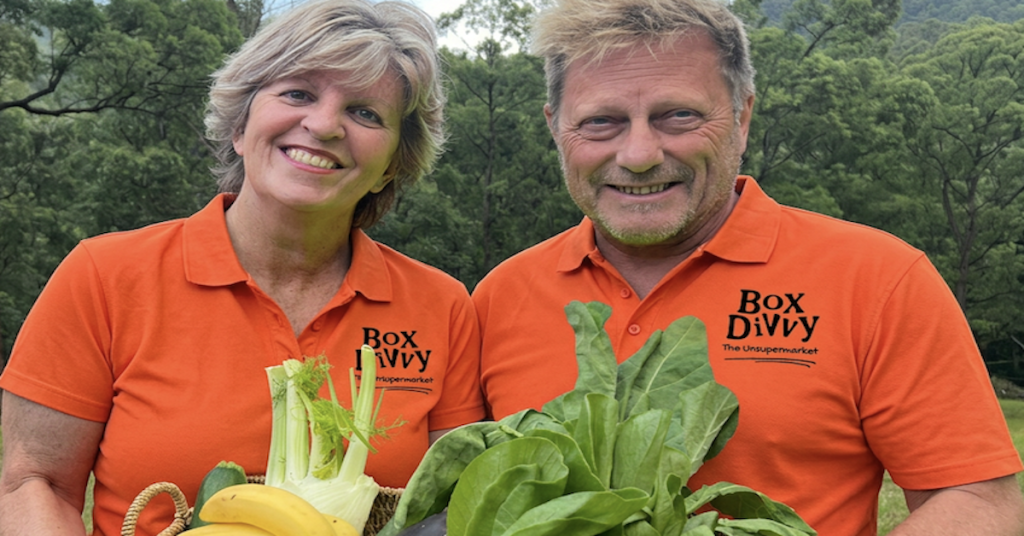
Photo Credit: Supplied

After working with thousands of households, the founders say they have found shoppers are more flexible than they initially expected. Price matters, but so do freshness, quality and knowing where food comes from.

The community element was something they underestimated.

“People join for cheaper food, but they stay because they have become part of a local community,” they said. “The food is the catalyst; the community is one of the unexpected benefits.”

Queensland Produce for Queensland Hubs

Box Divvy has partnered with Suncoast Fresh to fulfil and deliver orders to the new Queensland Hubs.

The Noosa-founded produce supplier works directly with more than 40 local farms, while Box Divvy says it already buys from a number of Queensland farmers.

The founders say Queensland will not simply be treated as an extension of the company’s NSW operations. The state’s growing regions, seasons, weather and existing supply networks will help determine what is available.

“Queensland isn’t simply an extension of our NSW operation,” they said. “It has its own growing regions, seasons, weather patterns and supply networks.”
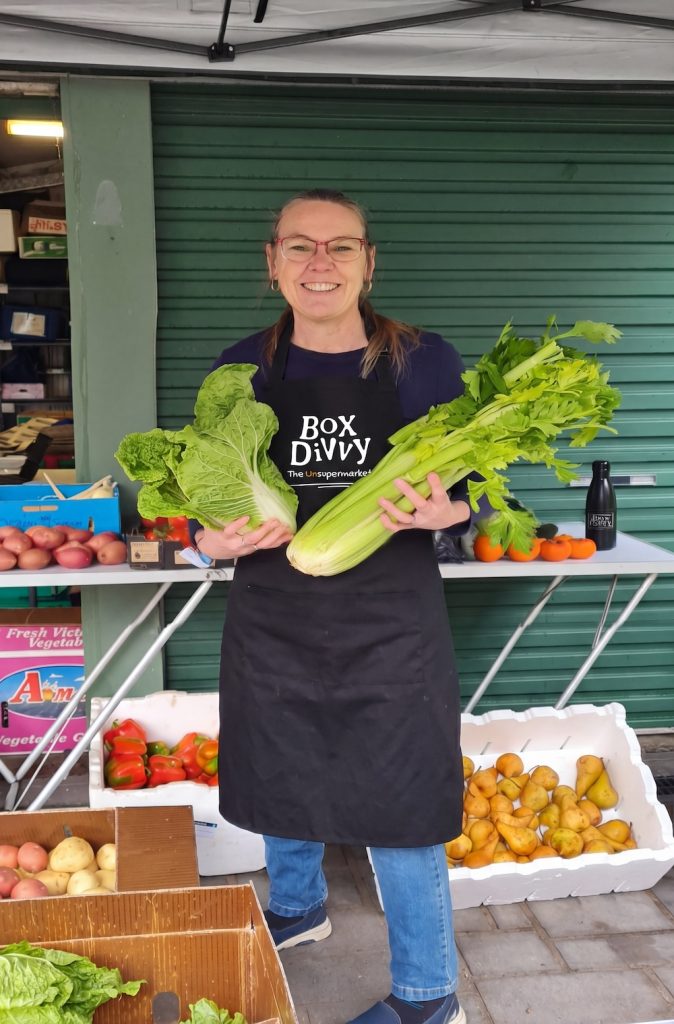
Photo Credit: Supplied

From Five Hubs to a Queensland Network

Zillmere is one of five communities chosen for Box Divvy’s first move into Queensland.

A second northside Hub has opened at Banyo, while the first southside locations are Browns Plains, Kingston and Regents Park.

Box Divvy is looking for more Queenslanders interested in establishing neighbourhood Hubs, but its founders say they will not measure success simply by how many open.

They want families to spend less while eating well, Hubsters to build local communities and farmers to have another route to market.

“If those five founding Hubs become the seeds for hundreds of thriving Queensland communities, while households are saving money and growers are getting a better connection to their customers, that’s what success looks like to us,” they said.


For Aspley residents, the Zillmere Hub provides one of the first opportunities to try the model, while the five launch locations give Box Divvy its starting point for a wider Queensland network.

Published 27-Aug-2026
Why Did the Railway Bypass Aspley?

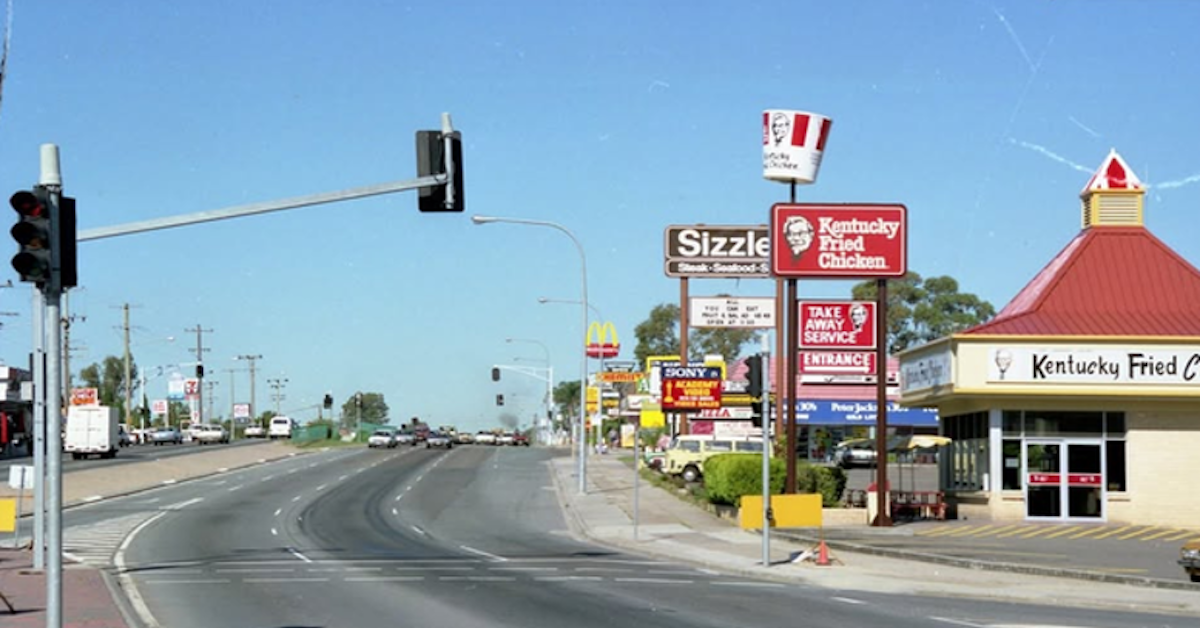
Aspley sits surprisingly close to several railway stations, yet the suburb has never had one of its own. The explanation goes back more than a century, when railways were being built through Brisbane’s north and Aspley was growing around a very different transport route.

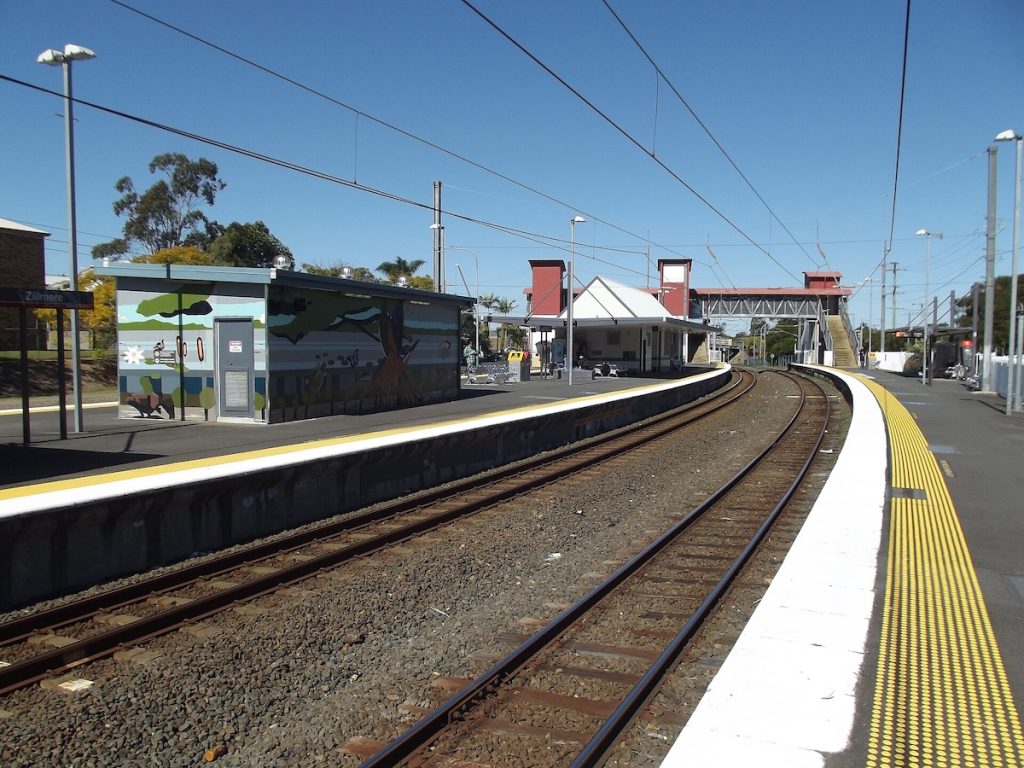
Zillmere and Carseldine have stations just east of Aspley. Geebung is nearby, while the North Coast railway continues north through Bald Hills towards Strathpine.

Aspley, however, grew up around Gympie Road.

That difference can be traced to the earliest development of Brisbane’s northern suburbs.

The Railway Took an Eastern Route

The first railway into Brisbane’s northern suburbs opened to Sandgate in 1882, providing a much faster connection between the city and the increasingly popular seaside destination.

A northern railway through Zillmere opened in 1888, forming part of the route that developed into the North Coast line.

By then, the basic railway corridor east of Aspley was established.

There is no clear evidence that railway planners specifically considered and rejected an Aspley station. Rather, the railway was serving destinations and following a corridor that did not pass through the district.

Photo Credit: Wikipedia/TravellerQLD

Aspley Grew Up Around Gympie Road

Aspley’s own transport history centred on the road running through it.

Known earlier as Little Cabbage Tree Creek, the district was largely agricultural during the 19th century. Gympie Road became an important northern route following the discovery of gold at Gympie in 1867.

The Royal Exchange Hotel, predecessor of today’s Aspley Hotel, opened beside Gympie Road in 1875, serving passing traffic as well as the surrounding farming community.

Even Aspley’s early public transport connections pointed residents towards railway stations elsewhere. Brisbane City Council’s heritage history of Aspley State School records a horse-drawn bus service between the district and Wooloowin railway station from 1886.

Later, Brisbane’s tram network travelled north along Gympie Road, eventually reaching Chermside in 1947.

But the tram never reached Aspley.

Photo Credit: Wikipedia/Public Domain

A Suburb Built in the Car Age

Aspley’s relatively late suburban boom helps explain why the absence of rail became entrenched.

The district remained largely agricultural long after railway suburbs such as Zillmere had begun developing around their transport connections.

Large-scale residential growth came much later. By then, private cars were transforming Brisbane.

Aspley’s emerging suburban landscape reflected that change. Detached houses spread across former farmland, commercial development clustered around major roads and Gympie Road became an increasingly important arterial route.

Photo Credit: John Fullagar/Facebook

Instead of a railway station becoming the suburb’s focal point, road access helped shape modern Aspley.

Why Carseldine Has a Station — and Aspley Doesn’t

Carseldine provides an interesting comparison because its station is much newer than many people might expect.

Carseldine railway station opened in 1986.

The crucial difference was that the railway already passed through Carseldine. Adding a station there did not require construction of an entirely new railway corridor.

No railway line runs through Aspley, so providing conventional heavy rail to the suburb would be a much bigger infrastructure undertaking than simply adding another station.

There is also the long-planned North West Transport Corridor, running through Brisbane’s north-west between the Alderley and Strathpine areas. Transport and Main Roads describes its potential future role as an integrated corridor accommodating rail, road, walking and cycling.

However, it is not a funded railway project or a plan for an Aspley railway station.

For now, the map still reflects development patterns stretching back more than a century.

Zillmere grew beside the railway. Chermside eventually got the tram. Carseldine could later add a station because the tracks were already there.

Aspley grew up on the road.

Published 7-Aug-2026

Zillmere Drug Charges Among More Than 130 Offences 

Two Zillmere residents are among six people charged with more than 130 offences following Boondall Tactical Crime Squad investigations into alleged drug trafficking across Brisbane’s northern suburbs.


The unit conducted targeted operations throughout late June and early July in an effort to identify suspected drug suppliers. Search warrants were subsequently executed at properties in Zillmere, Bald Hills, Carina and Stafford Heights.

Police have stated that the alleged trafficking offences were not connected.

Zillmere Drug Charges Follow Separate Investigations

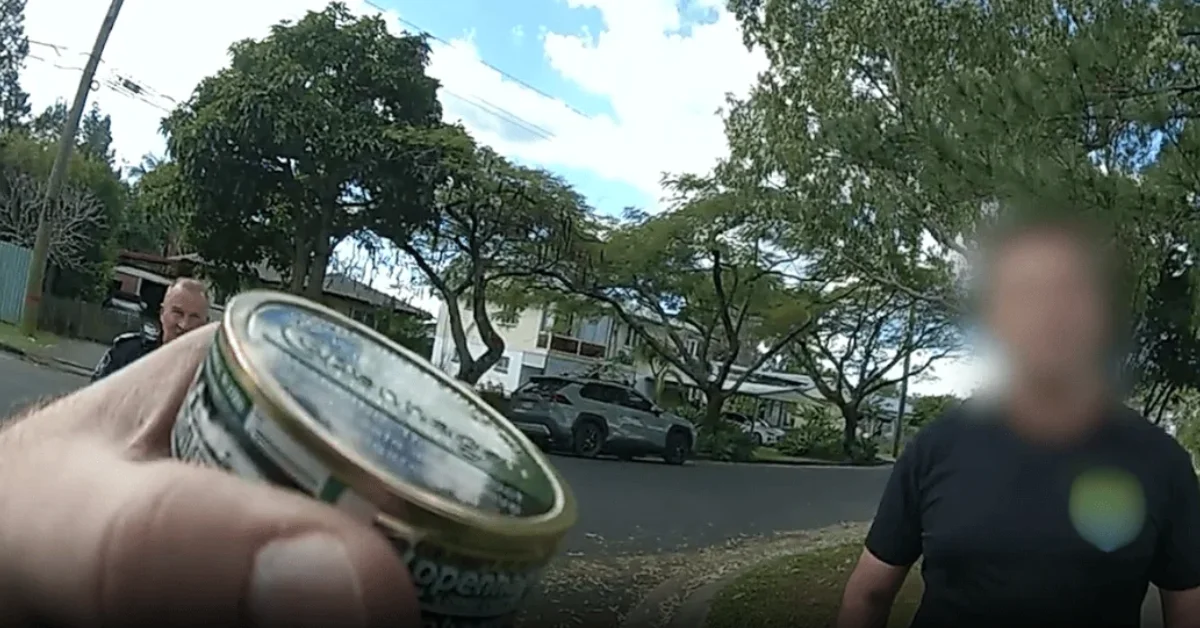
Officers intercepted a 49-year-old man riding an e-scooter along Merrett Avenue in Zillmere on 15 July. Police allege drugs were found in his possession.

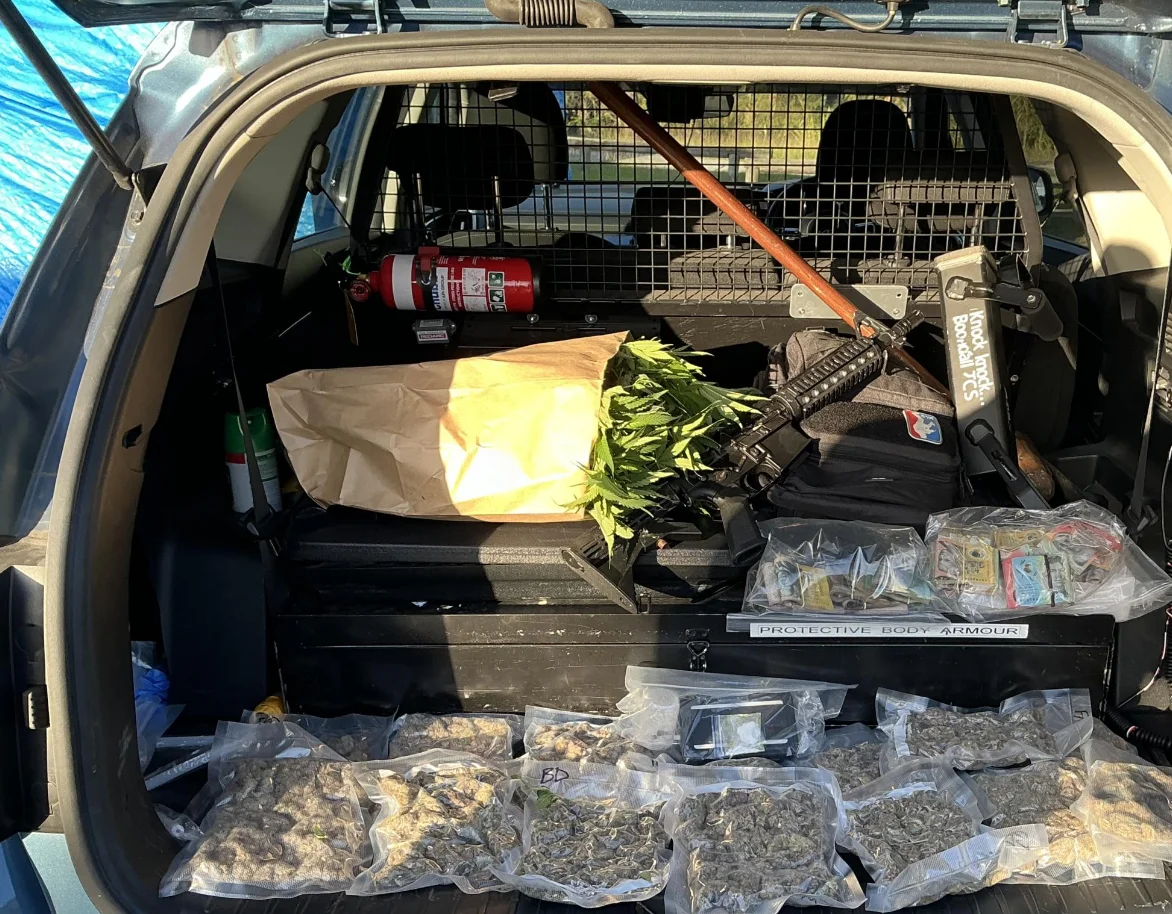
Further investigations led officers to execute a search warrant at a Crowley Street address. Police reported seizing 1.28 kilograms of psilocybin mushrooms, MDMA crystals, a substance identified as MCMA ecstasy, cocaine, diazepam, THC oil, 1.56 kilograms of cannabis and $35,100 in alleged drug cash.

The man was charged with 13 offences. These included trafficking in dangerous drugs, multiple counts of possessing dangerous drugs, two counts of possessing tainted property, possessing an item for use in an offence, possessing or buying regulated medicines or hazardous poisons, possessing counterfeit money and possessing property allegedly acquired for the purpose of a drug offence.

He is expected to make his first appearance in Brisbane Magistrates Court on 6 August.

In a separate matter, officers charged a 39-year-old Zillmere woman on 7 July with four offences. She faces one count each of supplying dangerous drugs, possessing dangerous drugs, possessing an item used in an offence and permitting a place to be used.

She is expected to appear in Brisbane Magistrates Court on 19 August.

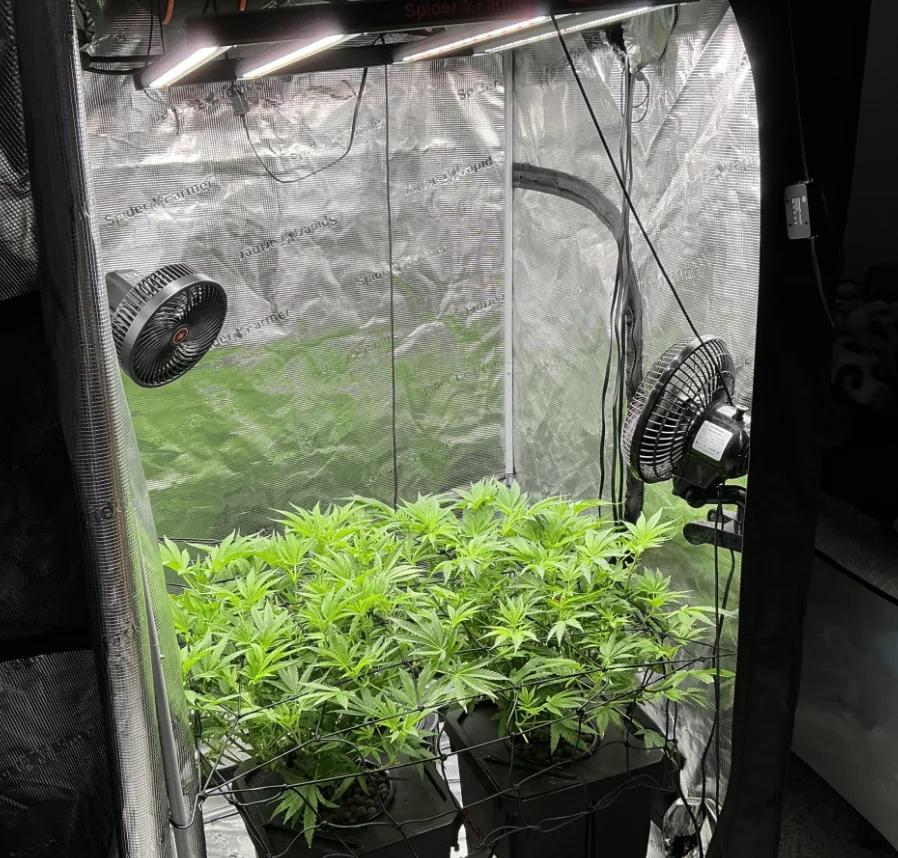
Grow tent containing two mature cannabis plants
Photo Credit: QPS

Warrants Executed at Two Bald Hills Properties

Police conducted a search at a Cavalier Street property in Bald Hills on 9 July.

It is alleged a 27-year-old man had airsoft rifles, a small quantity of cocaine, $22,000 in alleged drug cash, 1.68 kilograms of cannabis and a grow tent containing two mature cannabis plants.

He was charged with 12 offences, including drug possession, possessing items and utensils for use in offences, possessing instructions for producing dangerous drugs, possessing suspected proceeds of an offence and an offence involving the unlawful use of category A weapons.

The man appeared in Brisbane Magistrates Court on 10 July and was remanded in custody. He is expected to return to court on 10 August.

An earlier search was conducted at a Kyeema Crescent address in Bald Hills on 30 June. Officers seized dangerous drugs, pepper spray, scales and utensils.

A 25-year-old Bald Hills man was charged with seven offences, including two counts each of possessing dangerous drugs and possessing drug utensils. The remaining charges related to possessing relevant substances or items, unlawful possession of a category R weapon and possessing property allegedly acquired for a drug offence.

The matter is expected to be heard in Sandgate Magistrates Court on 27 July.

Seized drugs beside alleged drug cash
Photo Credit: QPS

Carina Man Charged With 73 Offences

A search warrant was executed at a Waratah Avenue address in Carina on 7 July.

Police seized methylamphetamine, cannabis, LSD tabs, pipes, bongs, other drug utensils, ritanol, Vyvanse and $510 in alleged drug cash.

A 32-year-old Carina man was charged with 73 offences, including 60 counts of supplying dangerous drugs, three counts relating to drug utensils and one count of trafficking in dangerous drugs.

Other charges included possessing dangerous drugs, possessing or buying regulated medicines or hazardous poisons, possessing items connected with offences and possessing property suspected of being the proceeds of a drug offence.

He appeared in Brisbane Magistrates Court on 8 July and was remanded in custody. He is expected to reappear on 17 August.

Stafford Heights Search Results in 26 Charges

Officers also executed a warrant at a Farrant Street address in Stafford Heights on 7 July, seizing methylamphetamine, cannabis and drug paraphernalia.

A 39-year-old Stafford Heights man was charged with 26 offences. These comprised 24 counts of supplying dangerous drugs, one count of trafficking in dangerous drugs and one count of possessing property suspected of being used in connection with a drug offence.

He is expected to appear in Brisbane Magistrates Court on 19 August.

Boondall Tactical Crime Squad officer-in-charge Acting Senior Sergeant Mark Challenger said the charges represented a substantial disruption to local drug supply networks and related criminal activity.


Information can be reported to Policelink through its online suspicious activity form or by calling 131 444. Anonymous reports can be made to Crime Stoppers on 1800 333 000 or through its online reporting service.

Relevant police reference numbers are QP2601330528, QP2601370560, QP2601315115, QP2601316284, QP2601316408 and QP2601269981.

Published 22-July-2026

QPS Officers Join Zillmere NAIDOC Community Celebration

Queensland Police officers and Cultural Liaison Officers joined the Zillmere NAIDOC event, staffing a community stall and taking part in activities celebrating culture and connection.


Officers from Gateway Crime Prevention and North Brisbane Highway Patrol attended the Northside NAIDOC Community Fun Day on Thursday, 9 July.

They were joined by Cultural Liaison Officers, who worked alongside police at a stall and engaged with community members throughout the annual celebration.

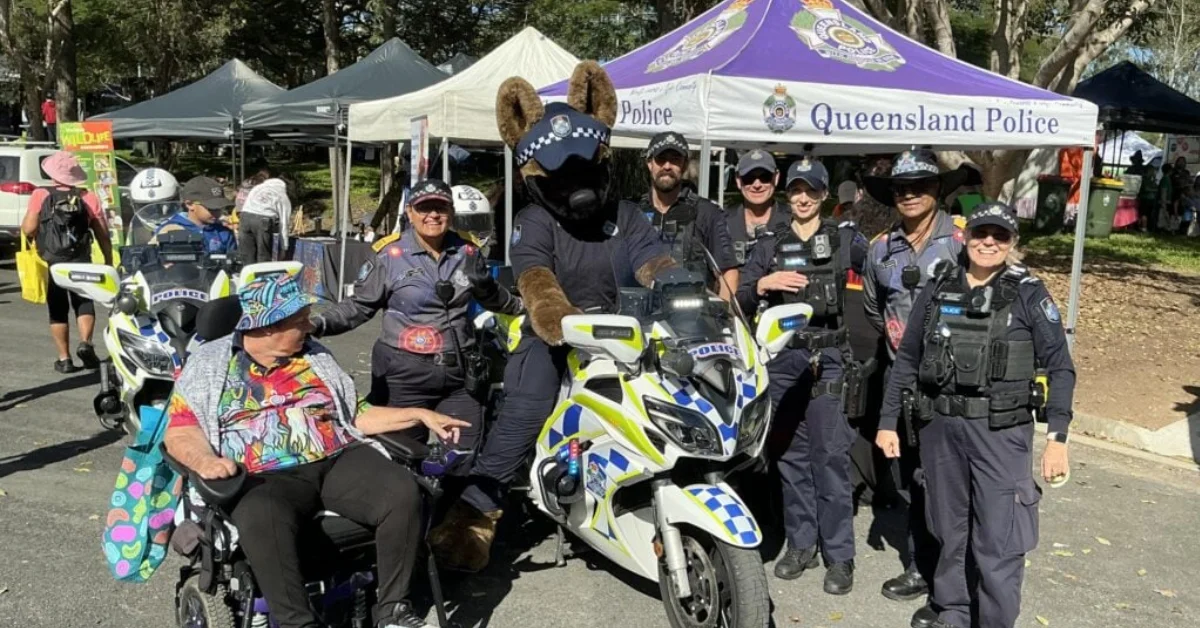
Zillmere NAIDOC event
Photo Credit: QPS

Police Stall at Zillmere NAIDOC Event

The police stall gave officers and liaison staff an opportunity to speak with visitors during the program of performances, information displays and family activities.

A police motorcycle was one of the most popular features, with children and adults given an opportunity to try it out.

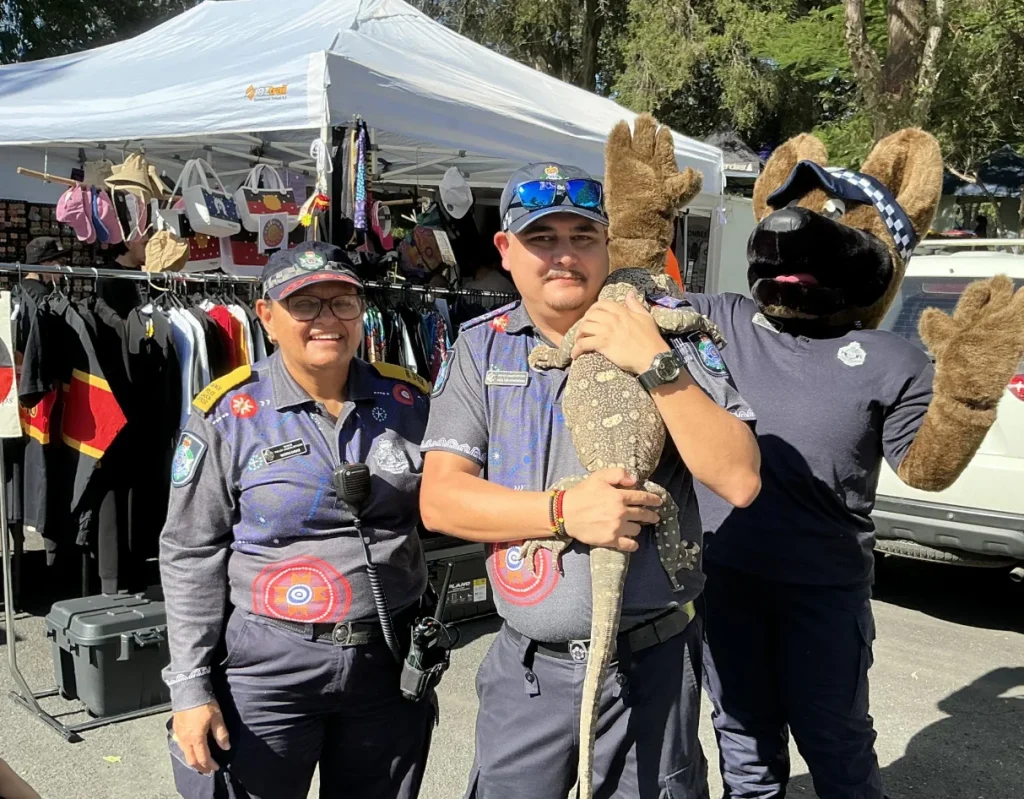
Cluedo, the Queensland Police dog mascot, also appeared during the event. The mascot was photographed sitting on the police motorcycle with officers.

The motorcycle and mascot formed part of the police presence at the community day, which focused on culture, community and connection during NAIDOC Week.

Officers Meet Native Wildlife

Police and Cultural Liaison Officers also took part in encounters with Australian native animals during the event.

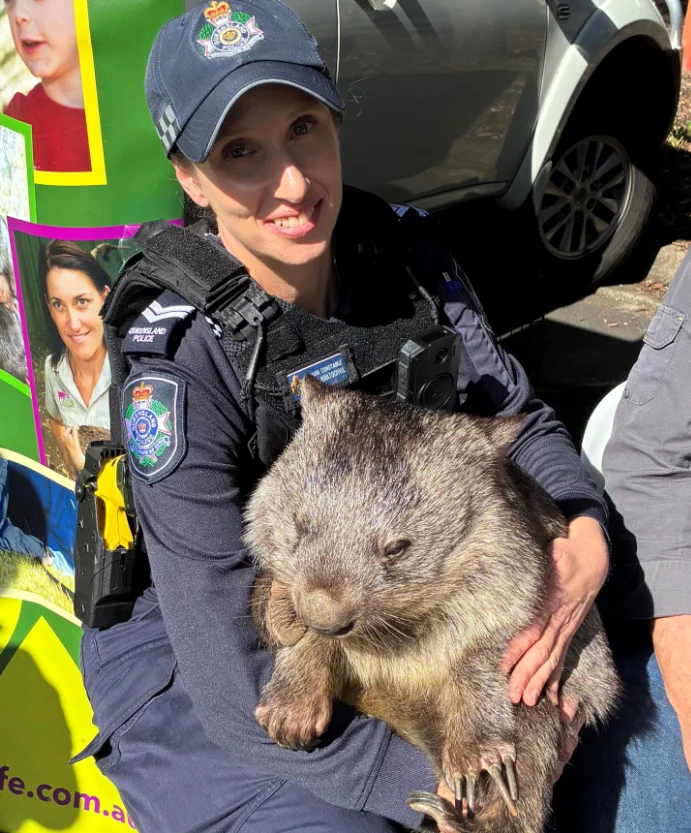
A Cultural Liaison Officer was photographed holding a goanna alongside Cluedo, while another photograph showed a police officer holding a wombat.

The wildlife encounters were among the range of activities available during the Northside celebration.

Queensland Police
Photo Credit: QPS

Annual Community Day Brings Groups Together

The Northside NAIDOC Community Fun Day is an annual event held at Koobara Kindy in Zillmere.

It brings together government services, community information stalls, traditional dancers, performers and activities for visitors of different ages.

The wider program provided opportunities for community members to gather, participate in activities and recognise First Nations culture during NAIDOC Week.

Police participation centred on speaking with visitors, operating the community stall and joining activities across the event.

The day also acknowledged the past, present and future role of First Nations people and culture.


Queensland Police marked NAIDOC Week through activities involving officers, Cultural Liaison Officers and community members across the Northside event.

Published 10-July-2026

Zillmere Teacher Ryan St John’s Full-Circle Journey Into The Classroom 

Ryan St John’s path into teaching has come full circle at St Flannan’s School in Zillmere, where the former Brisbane Catholic Education student is now guiding a Year 3 class after first working at the school as a teacher aide. 


A Zillmere Classroom With A Familiar Start

Ryan St John’s teaching journey has brought him back into a Brisbane Catholic Education classroom, this time as a Year 3 teacher at St Flannan’s School in Zillmere.

A Gamilaroi man and former BCE student, Ryan’s path into education began well before he became a classroom teacher. While studying, he worked at St Flannan’s School as a teacher aide, gaining practical experience in the same school community where he now teaches.

That early classroom experience helped shape his understanding of teaching and gave him a foundation for his career. It also allowed him to work in education while completing his Bachelor of Education at Australian Catholic University.

Ryan was supported through a BCE Aboriginal and Torres Strait Islander teaching scholarship, which formed part of his pathway into the profession.

St Flannan's School
Photo Credit: St Flannan’s School

From Teacher Aide To Year 3 Teacher

This year, Ryan teaches Year 3 at St Flannan’s School, with the role carrying an added sense of familiarity. Before becoming the class teacher, he had already worked with the same students when they were in Year 2.

That connection has helped create a smoother start to the school year, with teacher and students already familiar with one another. His move from teacher aide to classroom teacher shows how early school-based experience can support future educators as they move from study into teaching.

For Ryan, the pathway also helped him understand what primary teaching involved in a practical way. His experience at St Flannan’s became part of the route that led him into the classroom as a qualified teacher.

A Pathway Shared During National Reconciliation Week

Ryan’s story was shared during National Reconciliation Week, held from 27 May to 3 June, as part of a focus on shared histories, cultures and achievements in Australia.

His journey highlights a supported pathway for Aboriginal and Torres Strait Islander students considering teaching careers. Through teacher aide work, university study and scholarship support, Ryan was able to build experience while preparing for a career in education.

He has reflected on the role education plays in First Nations communities and the way teaching can contribute back through the classroom.

Ryan St John
Photo Credit: St Flannan’s School

St Flannan’s Zillmere And The Next Stage

St Flannan’s School in Zillmere enrols students from Prep to Year 6 and describes itself as a welcoming Catholic school community focused on learning, care and student growth.

For Ryan, teaching Year 3 at St Flannan’s brings together several parts of his education journey: his time as a BCE student, his teacher aide experience, his university study and the scholarship support that helped him move into teaching.


His story is a feature of steady progression rather than sudden change. It follows a student who found a pathway into education, gained experience inside the classroom and returned as a teacher helping guide young learners at St Flannan’s Zillmere.

Published 2-June-2026

From Scouted Boxer to Olympic Talent Spotter: Sammy Leone to Speak at Free Men’s Breakfast

When Sammy Leone roped up his first makeshift boxing ring at the UAICC in Zillmere in 2012, he would have had no idea that this would lead to him becoming a talent scout for the 2032 Olympics.

“We had several small boxing rings rigged up in the back yard on the grass. The kids loved the sparring sessions. They didn’t love the mozzies, but I think they developed faster hands by constantly swatting them.”

Sammy’s pilgrimage to teaching boxing and developing a youth group (whilst helping people who had nothing where he could), actually started when his talent was spotted leading to a fully paid scholarship as a teenager to the Australian Institute of Sport in Canberra.

“It was an incredible experience that came out of the blue, daily boxing training and I had always had a passion for youthwork so i started studying it down there,” says Sammy.

Whilst the AIS was instrumental in forming Sammy’s future career, it also had a very harsh lesson. From a group of seven in Canberra, three were picked to go to the Olympics. Sammy was one of the four that didn’t make it.

The devastating blow forged an inner strength and motivation to build something. It took a long time germinating inside him — 20 years of work inside the community services sector, whilst pursuing an amateur boxing career (including turning pro), winning the State Title, and developing a strong reputation in the sport.

He trained in multiple gyms on the northside and southside of Brisbane, got a Cert 4 and other diplomas in community service, all whilst teaching the kids at the UAICC everyday, until a point where he needed a full-time venue.

That led to a move to establish “The Boss Boxing” at a commercial property in Zillmere. The coaches were and still are volunteers, people who have a passion to coach and help people of all ages to better themselves.

“We’ve had children as young as five up to a lady of 71 years of age, and all ages in between.”

The Boss Boxing is now established at 388 Newman Road in Geebung, where Sammy has also established the First Nations Boxing Academy, to work with the best young talent around.

In 2023, he also developed the inaugural First Nations Boxing Championships at the Hamilton Hotel. The event is due to take place again for the fourth consecutive year on September 19 in the conference hall above the Hamilton Hotel. It is open to First Nations people and anyone else.

These days, Sammy is working on a new exciting project of identifying a team of First Nations Boxers to take as a squad for a challenge to take on a team from Fiji in Fiji. As ever, that will involve plenty of fundraising efforts to enable costs of the trip to be covered.

Now recognised as a “Futures Development Club” for the metro north area of Brisbane, a pathway through the state body of Boxing Qld, the Geebung gym hosts regular sessions for the up nd coming talent of the state.

The evolution of Sammy and the organisation has been noticed. Recently, he was asked to become a talent scout for the 2032 Olympics, a program supported by the Queensland Academy of Sport and the AIS, called “Youth for 2032” which will hold regular scouting programs at Sammy’s joint.

“It’s all about assessing the physical attributes of the talent early, so that as we head towards 2032, we are developing kids who have the agility and physique that can be built on.” says Sammy.

The full circle of Sammy’s life going from scouted to Olympic scout has come from resilience, discipline and the desire to pass on his lived experience to the youth. He has also continually helped others from his own pocket, where people have fallen through the cracks of the system.

This weekend Sammy is the guest speaker at the Brisbane Men’s Breakfast, held in Fitzgibbon.

The event has seen a strong boxing contingent including former Kickboxing World Champion, Ian Jacobs, and a fresh talent in Isaac “Heasdsplitter” Hardman who fights in the IBC, the T20 version of MMA, a smaller ring, less grappling, very brutal.

Past guest speakers have included MMA fighter Jason Lonergan, as well as Olympic Gold Medalist, Duncan Armstrong and former Brisbane Bullets star, Andre Moore.

The event is the brainchild of Hudson Dale, a series of great speakers with a free breakfast all covered by incredibly generous sponsors.

Dale Farm is one of the most extraordinary properties in Brisbane. Dale, a Commercial Property Agent with Raine and Horne in Kedron, fell in love with the place but the floods were not kind to it; however, he is very focused on continually upgrading it and adding new elements towards his vision as a centre for men’s health.

Sammy Leone will add a new chapter to the Men’s Breakfast series on Saturday morning with a 6.30-7am start at 42A Desert Willow Way in Fitzgibbon.

This has to be the best free event in Brisbane. You’d be crazy to miss it.

Published 17-May-2026

North Star Football Club In Zillmere Set For Facility Upgrades

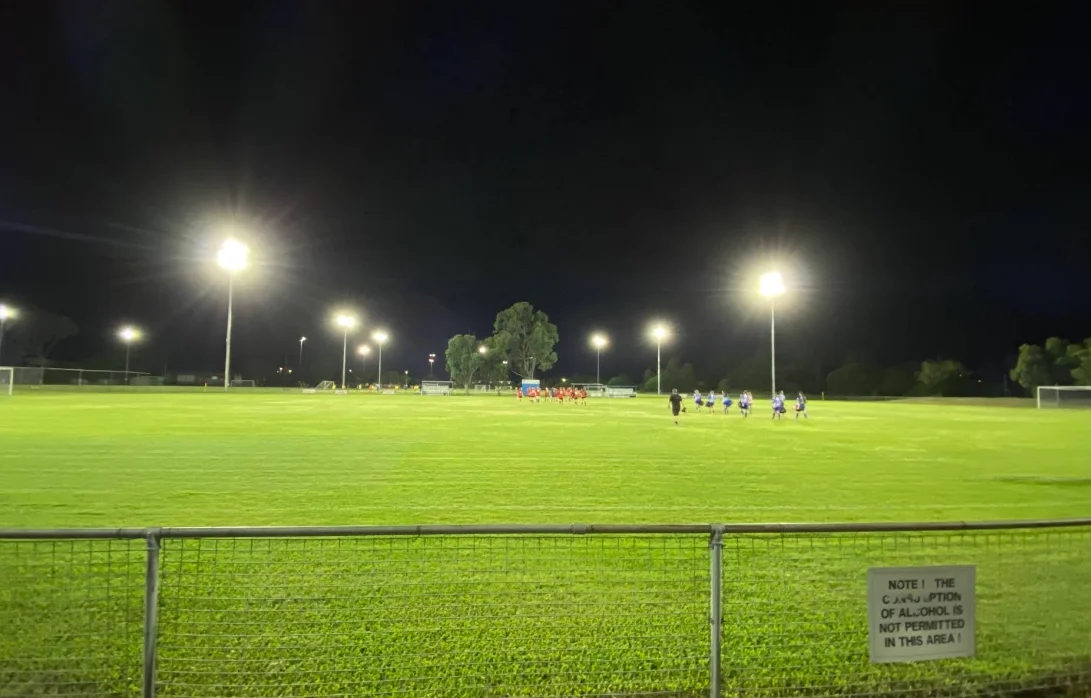
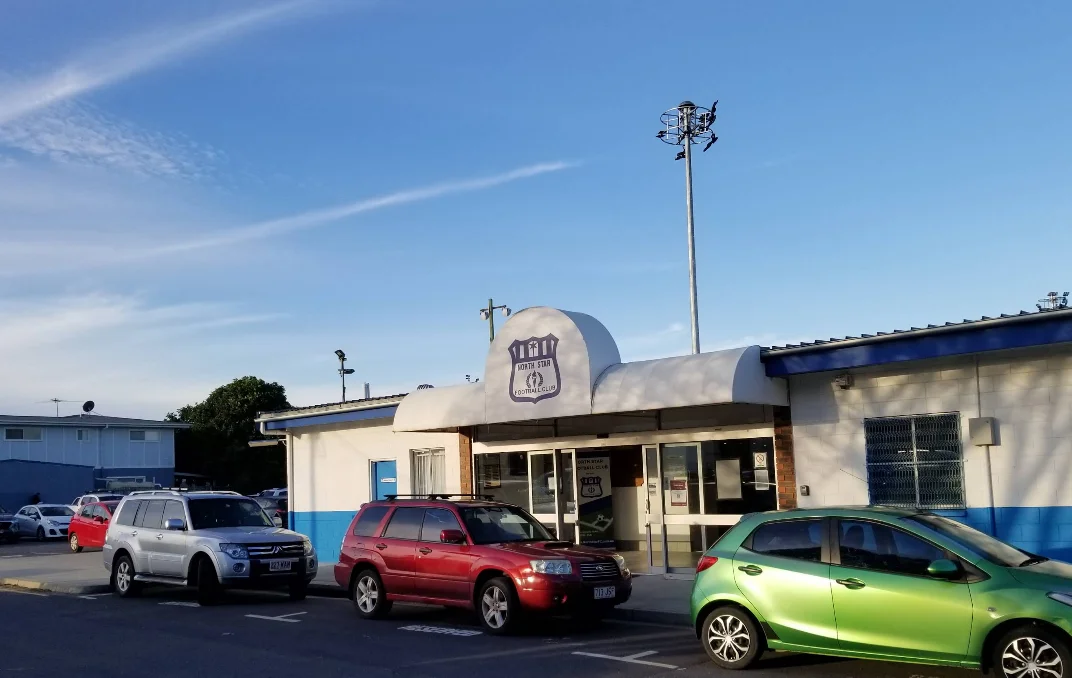
North Star Football Club in Zillmere has been confirmed for facility upgrades as part of a wider suburban sports and community works program across Brisbane.


Zillmere Club Included In Upgrade Rollout

North Star Football Club in Zillmere is one of four locations identified for approved upgrade works, alongside Oxenham Park in Nundah, Waterloo Bay Leisure Centre in Wynnum and Runcorn Pool.

At the Zillmere site, the planned works include replacement of the club’s roof and improvements to the change rooms. These upgrades form part of a broader effort to maintain and improve suburban sporting facilities used by local communities.

Brisbane sports facilities
Photo Credit: Google Maps

Established Club With Large Membership

North Star Football Club has operated for more than 60 years and currently supports more than 800 members across junior, adult and masters teams.

The planned improvements are directed at an established sporting venue with ongoing use across multiple age groups and competitions.

North Star Football Club
Photo Credit: Google Maps

Works Across Multiple Brisbane Locations

The wider program includes several projects across Brisbane suburbs.

At Oxenham Park in Nundah, the upgrade will deliver two new change rooms, a new toilet block with accessible facilities, a covered walkway connecting to the croquet club and a new path leading to the accessible car park near the cricket club.

Zillmere sports upgrades
Photo Credit: Google Maps

At Waterloo Bay Leisure Centre in Wynnum, works will involve replacement of part of the roof in the main hall area and structural reinforcement to support the facility long term. The centre has been operated by volunteers and has hosted activities and community programs for more than 40 years.

At Runcorn Pool, upgrades will include improvements to accessible toilet and baby change facilities, installation of new bathroom fittings and construction of new walls. Indoor facilities are expected to close temporarily for around two months during construction, with temporary bathrooms to be provided.

Timing Of Zillmere Works


Available project updates confirm that North Star Football Club in Zillmere is included in the current upgrade rollout, with roof and change room works identified as part of the program. However, the exact start timing for the Zillmere works is not consistently specified and remains subject to clarification.

Published 20-Mar-2026

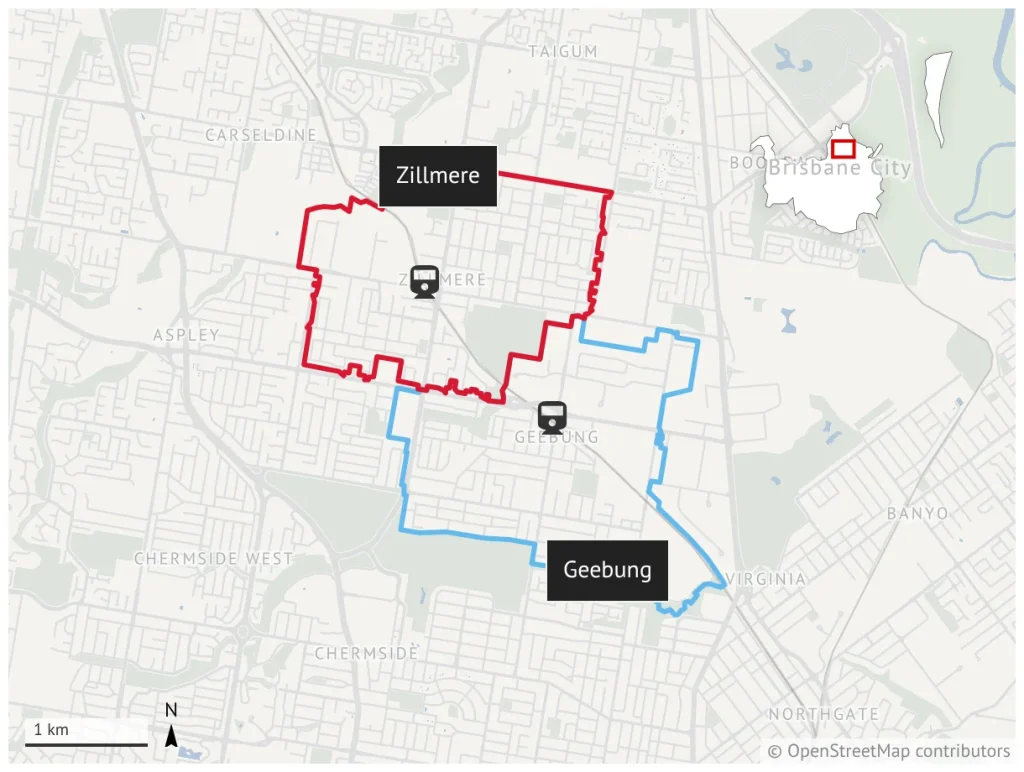
Two Train Stops. A 10-Year Life Gap. What It Means for Zillmere and Geebung

You can board a train at Zillmere and arrive at Geebung in minutes.

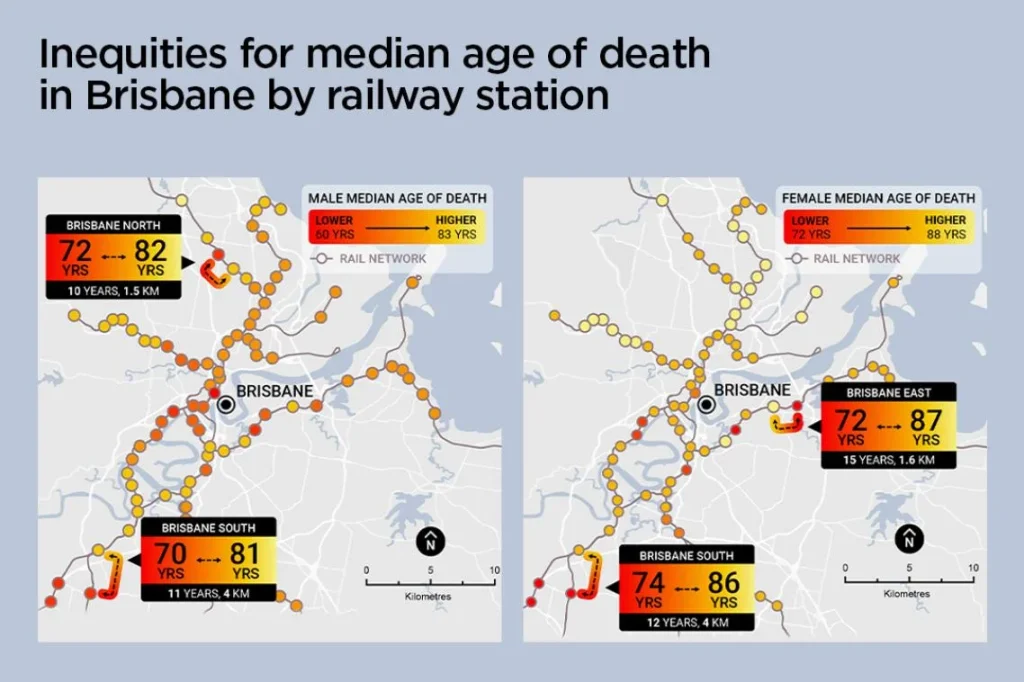
But new research from the University of Queensland shows the difference in median age of death between men living near those two stations is 10 years.

The study, published in the Health Promotion Journal of Australia, mapped median age of death across Queensland’s rail network. Using train stations as geographic markers, researchers highlighted how health outcomes can diverge sharply within just a few kilometres.

Along the Redcliffe Peninsula line, men living near Zillmere station recorded a median age of death of 72. Near Geebung station, the figure was 82.

Same rail line. Two stops apart. A decade of difference.

The study measures median age of death — the age at which people in an area have actually died — rather than projected life expectancy. While different from formal life expectancy modelling, it remains a strong indicator of embedded health disadvantage.


How the Research Was Conducted

The research was led by Associate Professor Jonathan Olsen from UQ’s Institute for Social Science Research, alongside Associate Professor Mark Robinson, Professor Lisa McDaid and Professor Jonathan Corcoran.

Photo Credit: University of Queensland

By overlaying mortality data onto Queensland’s rail map, the team created a clear, place-based framework that residents and policymakers can easily interpret. Stations became reference points for comparing outcomes along shared transport corridors.

Life expectancy gap for Zillmere and Geebung
Photo Credit: University of Queensland

Across Queensland, the median age of death for women ranged between 68 and 88. For men, it ranged from 60 to 83. The Zillmere–Geebung gap sits within that broader statewide variation.

The Pattern Repeats Across Brisbane

The Redcliffe Peninsula line is not an isolated example.

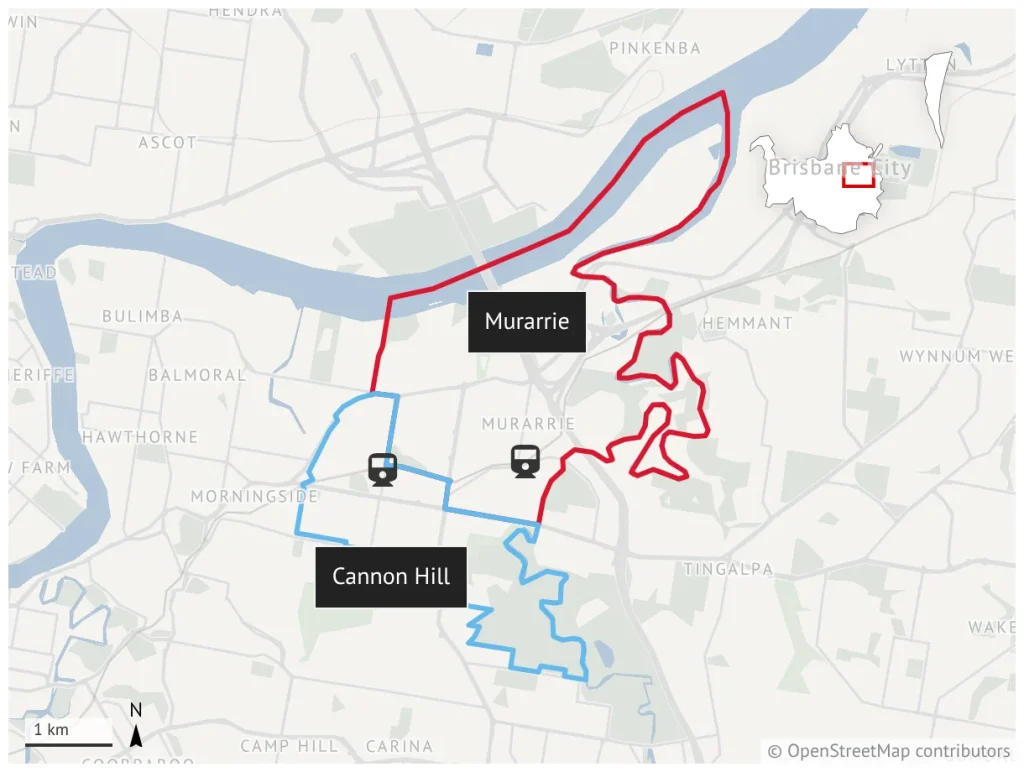
Life expectancy gap for Murarrie and Cannon Hill
Photo Credit: University of Queensland

On the Cleveland line, women near Murarrie station recorded a median age of death 15 years lower than women near Cannon Hill, despite being just 1.6 kilometres apart.

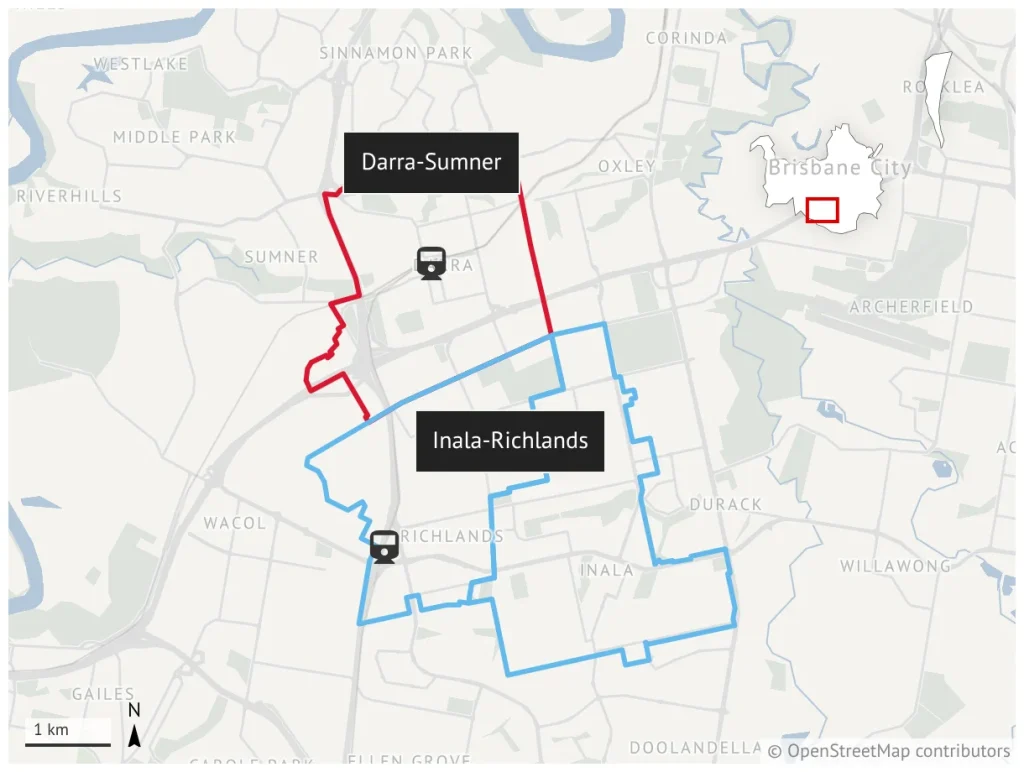
Life expectancy gap for Darra-Sumner and Inala-Richards
Photo Credit: University of Queensland

South of the CBD, men in the Inala–Richlands area recorded a median age of death of 70 — 11 years below men in Darra–Sumner. For women in those same areas, the gap reached 12 years.

Researchers link these differences to a mix of income levels, housing security, education access, employment opportunity, family structure and access to services and green space.


What the Findings Are Meant to Do

The authors stress the data is not designed to stigmatise suburbs. Instead, it provides an evidence base for targeted, place-based investment — from park upgrades and active travel infrastructure to community health initiatives.

Similar transport-mapped studies have been conducted in Glasgow, London and New York, allowing governments to track whether investment narrows gaps over time.

The full research paper is available here. UQ’s Institute for Social Science Research can be contacted through issr.uq.edu.au. Maps and media resources from the study are available through the UQ newsroom at news.uq.edu.au.

For Zillmere and Geebung residents, the takeaway is simple but confronting: postcode can shape health outcomes.

Two stations. Ten years.

Published 2-March-2026.

Three-Bedroom Zillmere Cottage Fetches $1.12M At Auction

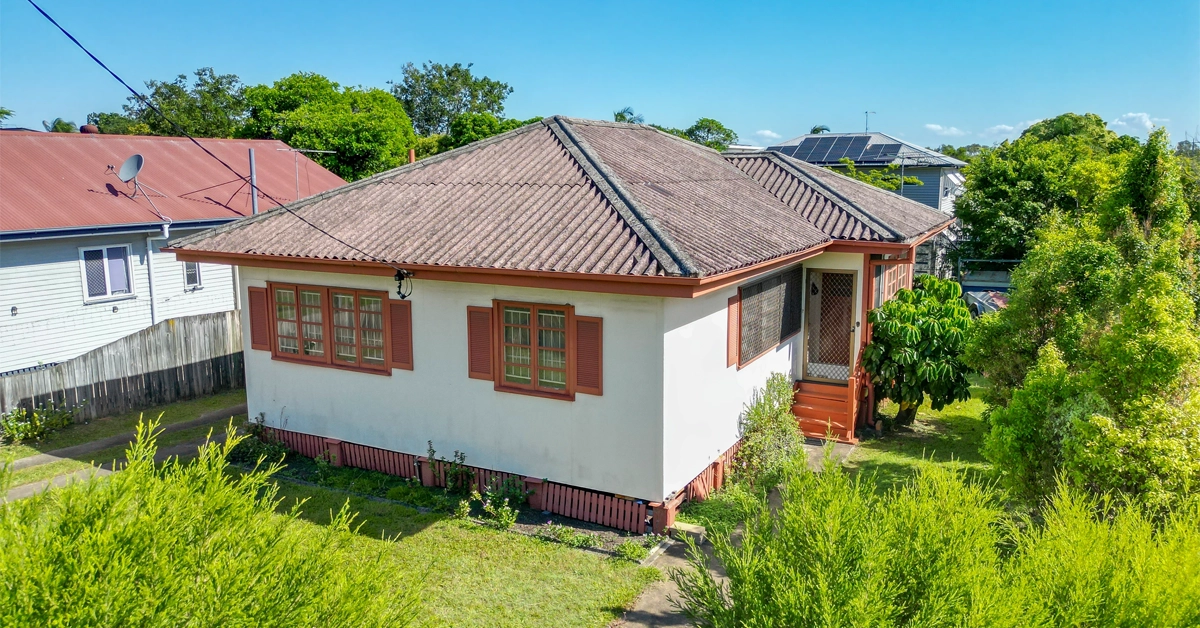
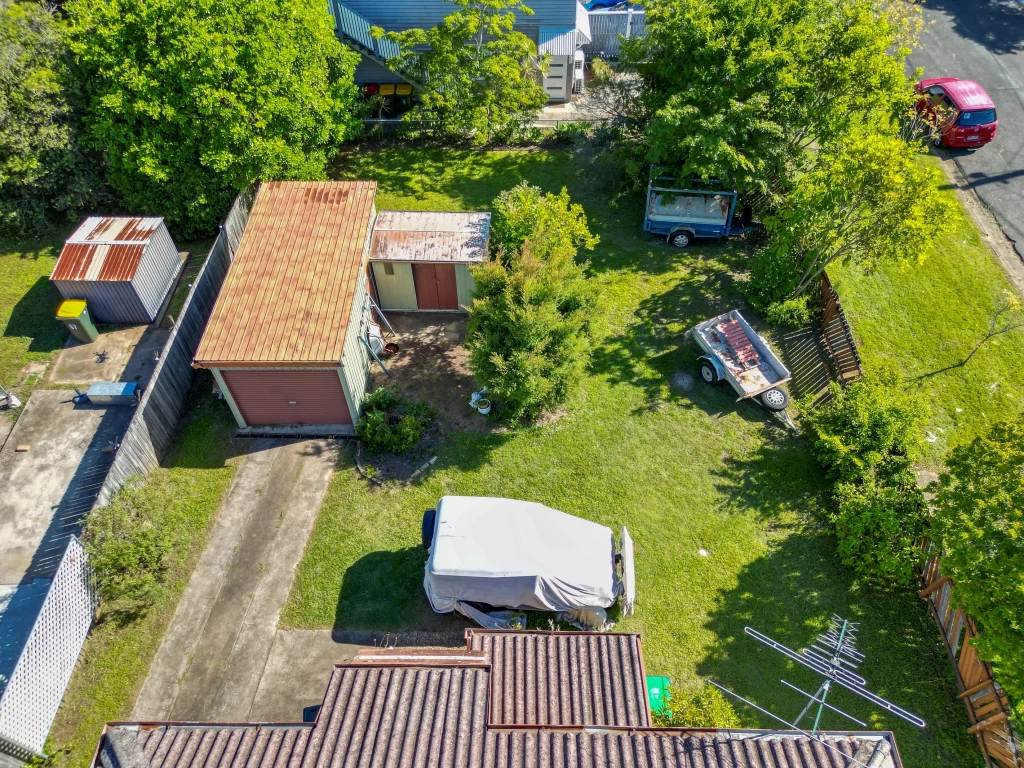
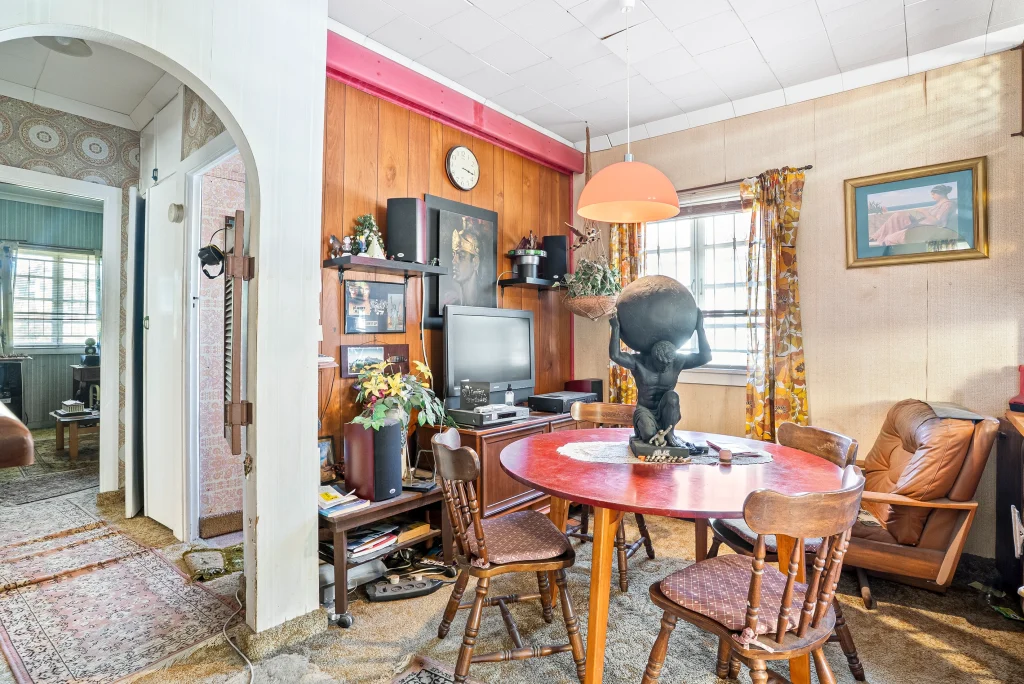
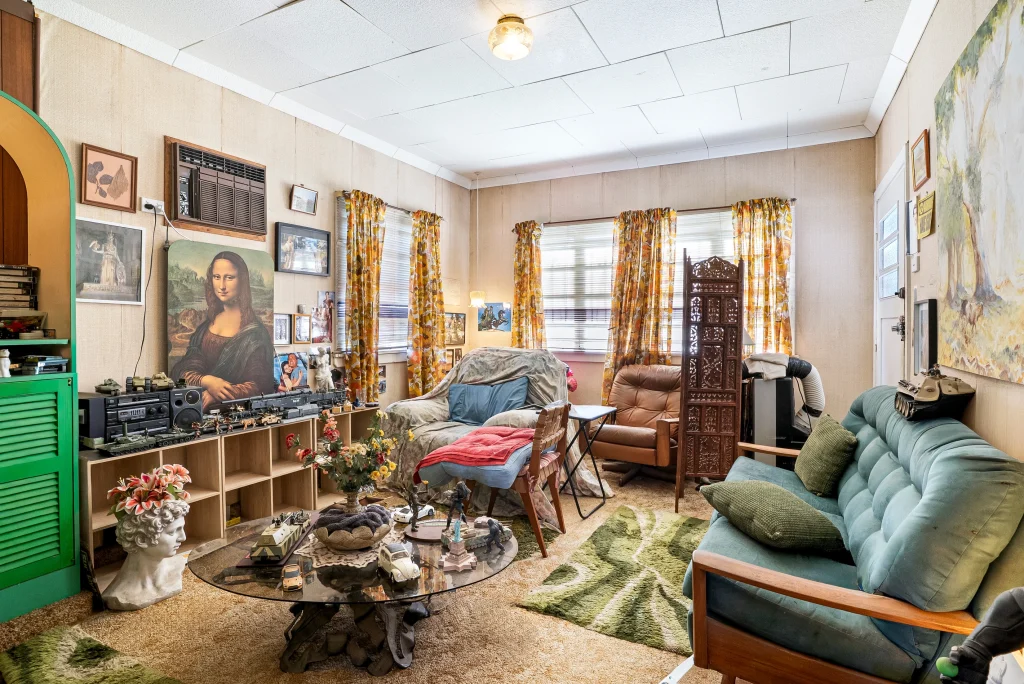
A modest three-bedroom cottage in Zillmere that hadn’t changed hands in more than 50 years drew a crowd of nearly 30 bidders last week, selling at auction for $1.12 million — a result that surprised even the selling agent.


The home at 65 Coxen Street was a deceased estate listed as a charity auction. Its late owner, known to have been passionate about animals, left instructions for the proceeds to be split evenly between the RSPCA and the Cancer Council. The property had been in the same family since 1974.

Photo Credit: Ray White Nundah

Fourteen buyers registered the evening before the auction, with a further 14 walking in on the day. Bidding opened at $600,000 and climbed in $100,000 jumps to reach $1 million, with barely half the field active at that point. The property was called on the market at $1,050,000, and four buyers remained in contention. From there, the competition tightened to $5,000 increments before the hammer came down just 13 minutes after the auction began.

Photo Credit: Ray White Nundah

A developer from South Australia ultimately secured the property, edging out a field that included first-home buyers and investors.

Photo Credit: Ray White Nundah

Angela Duncan of Ray White Nundah, who handled the sale, said the turnout had exceeded expectations. She described the buyer mix as unusually varied, noting that many had come in thinking the property would sell cheaply given its condition and age. The result, she said, was consistent with what she has been seeing across the local market more broadly — prices continuing to climb month on month, in a way that echoes the frantic conditions of the COVID property boom.

Photo Credit: Ray White Nundah


The Zillmere result is part of a wider pattern of older, unrenovated homes in Brisbane’s northern suburbs punching well above what many buyers anticipate. The suburb’s median house price currently sits at $930,000.

Published 26-February-2026

Zillmere Arrest After Police Find Allegedly Stolen Vehicle on Victory Street

A routine patrol through Zillmere has led to a significant arrest after police say a man was found with an allegedly stolen vehicle parked on a quiet local street.


Police allege the incident unfolded mid-morning on Wednesday 17 December, when officers noticed a white Toyota Landcruiser stopped along Victory Street, with a man appearing to work on the vehicle. What began as a standard check quickly escalated into a series of serious allegations.

What police allege happened

According to police, officers from the Boondall Tactical Crime Squad were patrolling Zillmere at about 10.15am when the vehicle caught their attention. Checks on the registration plates attached to the Landcruiser allegedly showed they had been reported stolen earlier in the year from a Mazda CX-7 in Cleveland.

Police say further enquiries confirmed the vehicle identification number of the Landcruiser itself had also been reported stolen, allegedly taken from a Thornlands address on 8 December.

The man was arrested at the scene.

Further allegations uncovered

Following the arrest, police conducted a search and allege they located a clip-seal bag containing a crystalline substance believed to be methylamphetamine.

Investigators further allege the stolen registration plate had been used on a different vehicle involved in a fuel drive-off at Eagle Farm at around 4am on 17 January. Police say the arrested man was linked to that offence through CCTV footage.

Charges laid

The 39-year-old Mundoolun man has been charged with multiple offences, including unlawful possession of a motor vehicle with intent to deprive, possessing dangerous drugs, stealing, receiving tainted property, fraud involving dishonestly making off without payment, and driving a motor vehicle without a licence.

Police say he was remanded in custody and was due to reappear before the Brisbane Magistrates Court on Friday 19 December.

Police appeal for information

Police investigations are continuing and officers are asking anyone with information that could assist to come forward.

Information can be provided to Policelink at any time online at
www.police.qld.gov.au/reporting
or by calling 131 444.

Anonymous tips can also be given to Crime Stoppers on 1800 333 000 or online at
www.crimestoppersqld.com.au.

When reporting, quote reference number QP2502226311.


Published 19-Dec-2025