



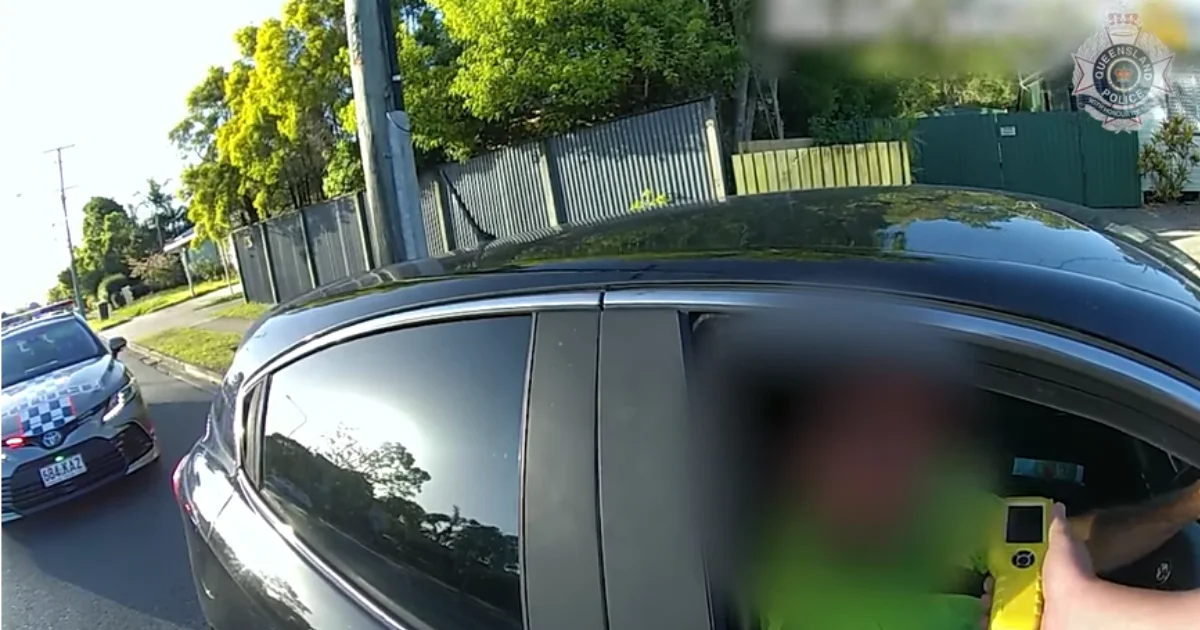
A Boondall man is facing serious charges after police allege speed cameras caught him exceeding the limit 11 times within just 17 minutes on Zillmere Road last December 30.
Read: Zillmere Arrest After Police Find Allegedly Stolen Vehicle on Victory Street
Queensland Police intercepted the 57-year-old driver around 5.10pm following the alleged speeding spree in his black Alfa Romeo. According to police, six of the recorded speeds in the 60km/h zone allegedly exceeded 100km/h, with the highest speed reaching 110km/h.
The situation escalated when the driver allegedly returned a positive result to a roadside breath test. He was transported to Boondall Police Station for secondary testing, where he allegedly recorded a blood alcohol concentration of 0.092 per cent – just under the mid-range drink driving threshold.
The Boondall resident has been charged with driving over the general alcohol limit and dangerous operation of a vehicle whilst adversely affected by an intoxicating substance (speeding). He is expected to appear before Brisbane Magistrates Court on 22 January 2026.
Queensland’s Tough Stance on Speeding
Queensland maintains some of Australia’s strictest penalties for speeding offences, with fines recently increased by 3.5 per cent in the 2025-26 financial year. Drivers caught exceeding the speed limit by less than 11km/h now face a $333 fine and one demerit point, while those speeding more than 40km/h over the limit can be hit with fines approaching $1,919.
The state also operates a year-round double demerit points system for repeat offenders. Drivers caught speeding more than 20km/h over the limit who commit another speeding offence within 12 months will receive double demerit points for the second offence. Queensland Revenue Office officials have emphasised there are no provisions for leniency based on a good driving record, as speeding is considered a life-endangering offence.
Fatal Five Claims Record Road Toll
The Boondall incident comes during what road safety advocates have described as Queensland’s worst year on the roads in more than a decade. The state recorded 308 lives lost in 2025 – the highest road toll in 16 years.
The combination of alleged excessive speeding and drink driving in this case represents two of Queensland’s “Fatal Five” behaviours – speeding, drink and drug driving, not wearing seatbelts, fatigue, and distraction. Police data shows that serious crashes can be significantly reduced when drivers avoid these behaviours.
Read: Operation Xray Nightfury: Zillmere Chase Among Key Arrests in North Brisbane Crackdown
For local residents in Aspley, Boondall, and surrounding suburbs, the incident serves as a stark reminder that reckless driving isn’t confined to highways or rural roads – it’s happening on familiar streets where families travel daily.
Published 9-January-2026