



Raising a Family Between Two Worlds: Meet the “King” of the Mongols

Jeff King’s sons could spend one day doing Australian schoolwork in their Ulaanbaatar apartment and another riding horses and milking goats with their Mongolian relatives. To them, neither life was the unusual one.
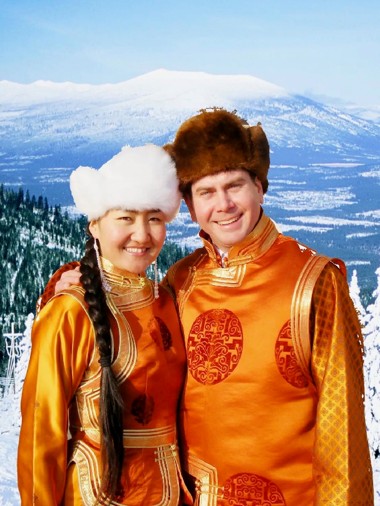
Their father is Australian; their mother grew up in a Mongolian herding family. The boys were raised between both worlds, speaking English and Mongolian and knowing Australia and Mongolia as home.

One part of their upbringing, though, remained deliberately Australian: their schooling.


An Australian classroom in Mongolia

Jeff and his wife chose an Australian homeschooling program rather than putting the boys into a Mongolian school. When they were preparing to return to Mongolia, they weren’t even certain where they would be living.

There was a possibility the family might stay in remote country with nomadic relatives, where they couldn’t count on having internet access. So instead of relying on online lessons, they went with paper.

Books and materials travelled with them. Tests and completed work went back to Australia, keeping the boys in the Australian education system even while they were living thousands of kilometres away.

“We were still in the Australian system,” Jeff said.

The family eventually settled in Ulaanbaatar rather than living remotely with the herders, but they kept the same arrangement. Jeff remembers it working “really, really well” academically.

The harder part wasn’t the schoolwork.

It was everything that normally happens around it.

After finishing lessons, the boys didn’t have classmates spilling out of school with them. That became particularly noticeable during the Mongolian winter, when temperatures around -30°C could keep them indoors for long stretches.

Jeff tried to break that up. Every couple of weeks, when they could, he would get the boys out horse riding or skiing.

Summer opened things up again. They travelled, spent time outside the city and visited their mother’s relatives, where the boys slipped into a very different rhythm.
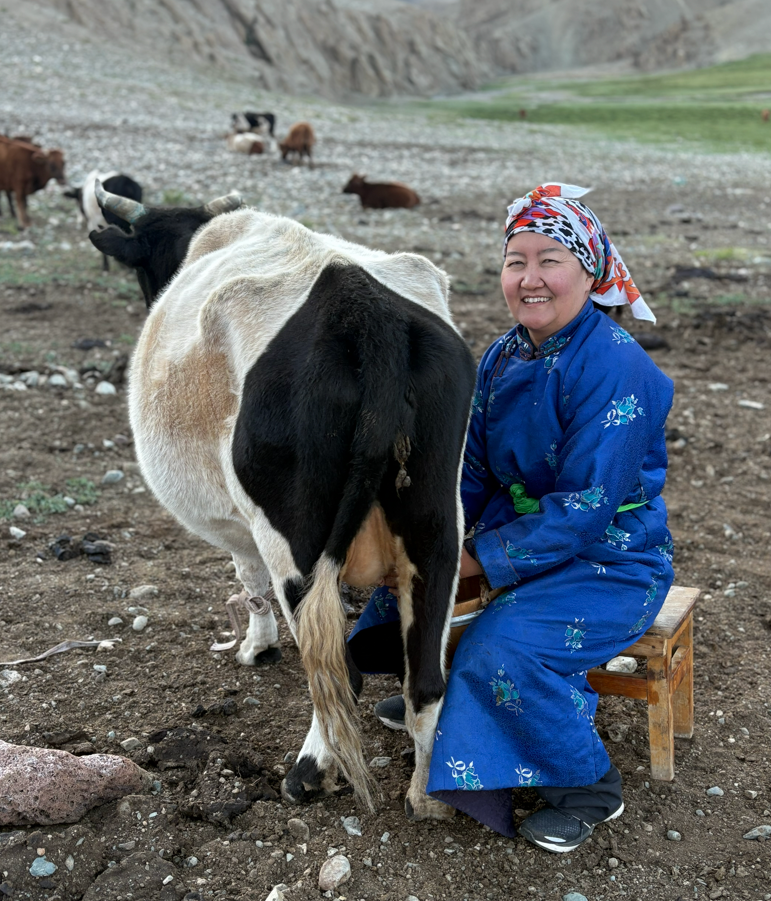
Milking the cow. Photo Credit: Supplied

Their mother was completely at home there. She had grown up in a herding family herself, and relatives continued to raise animals and move with the seasons. For her sons, these weren’t encounters with some distant version of Mongolian culture. The people in the gers were Grandma, aunties, uncles and cousins.
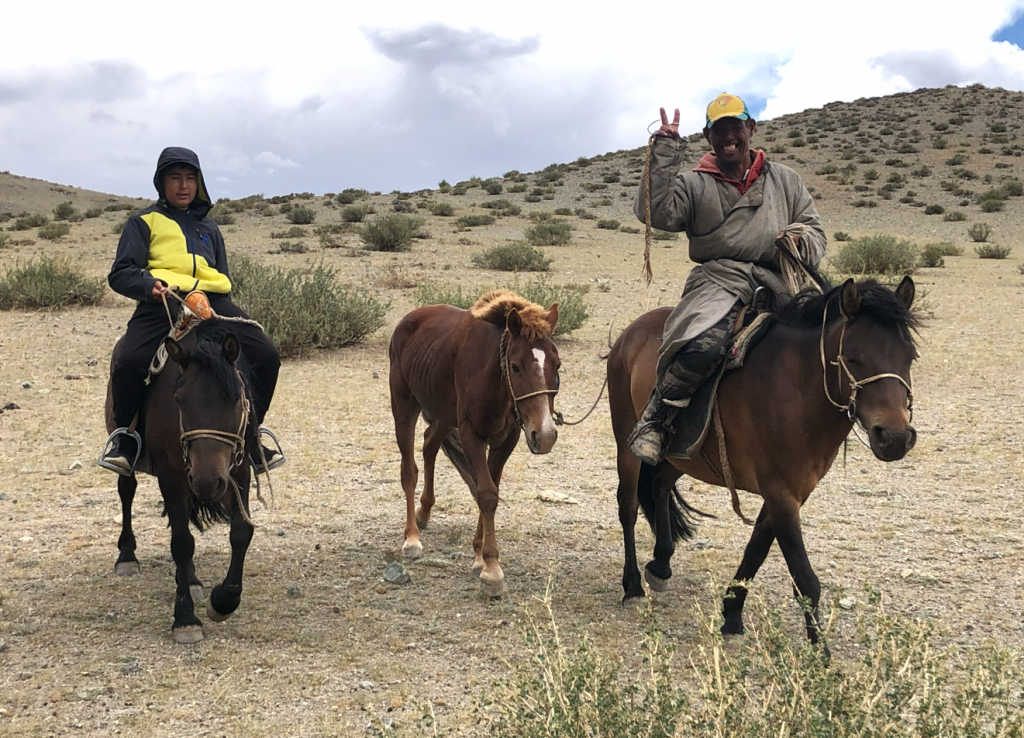
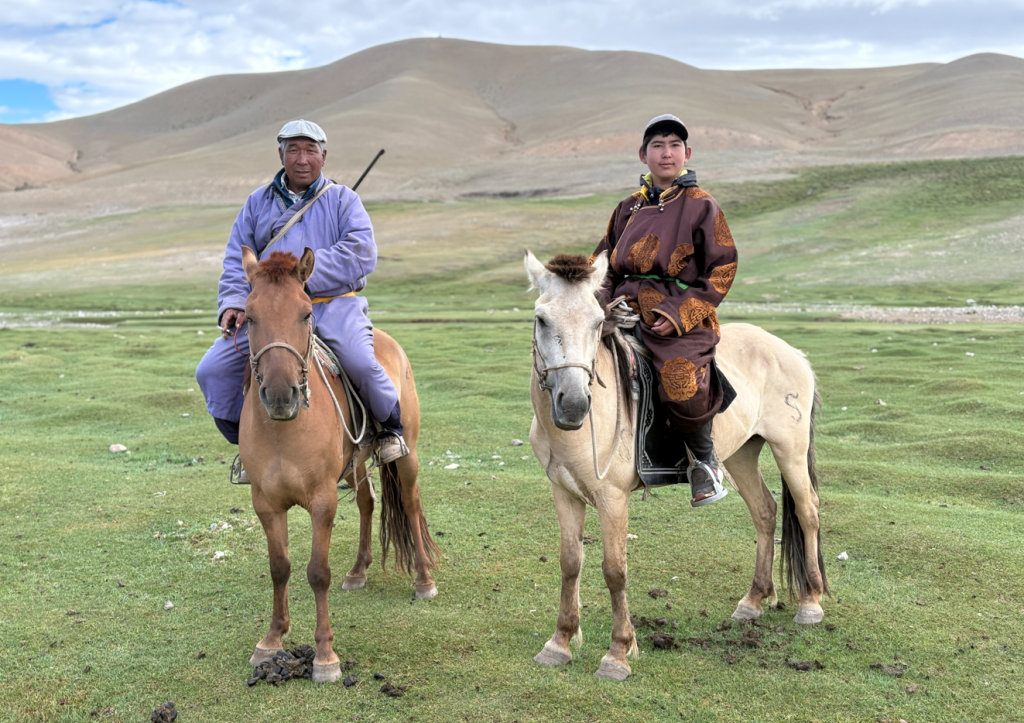
Jeff’s son with a herdsman. Photo Credit: Supplied

The boys could ride horses and motorbikes, herd animals, and help milk goats. They ate the dried dairy foods their father had once needed time to acquire a taste for.

English remained their first language, but their understanding of Mongolian became extensive. Jeff said his older son was the more confident speaker, although both could understand the language extremely well.

His wife brought something else to their children’s upbringing that Jeff could never have learnt from a book. She had been about nine when Mongolia’s communist era ended around 1990, and had grown up with the knowledge and routines of herding life before raising children in a very different Mongolia.

By the time her sons came along, smartphones, huge supermarkets and restaurants were part of everyday life in Ulaanbaatar. So were horses, hand-milking animals and visits to relatives who still moved their gers with the seasons.

The boys didn’t need anyone to reconcile those things for them.

They had grown up with both.


Coming back to Australia

Over the years, the family developed a loose rhythm: three or four years in Mongolia, then roughly a year in Australia.

COVID disrupted it. They found themselves staying in Tasmania for around two-and-a-half to three years before eventually returning to Mongolia, where their most recent stint lasted about four years.

They arrived back in Australia shortly before Christmas.

This time the boys are older, and that changes the equation. The Australian schooling they had carried with them through childhood has become increasingly important as they move into their teenage years.

What hasn’t changed is the family waiting in Mongolia, or the language and experiences they brought back with them.

For Jeff, Mongolia was somewhere he had to learn. He arrived as an Australian adult, picked up the language, adjusted to the food and gradually found his place in his wife’s family.

His sons started from somewhere very different.

The apartment and the ger, Brisbane and Ulaanbaatar, English and Mongolian, Australian schoolbooks and summers with their mother’s relatives were never competing versions of childhood. They were the same childhood.

Perhaps that is why the question of where they belong has no particularly tidy answer.

Australia is home. So is Mongolia.

Catch Jeff at the Brisbane Men’s Breakfast on October 17.

Free Community Event
Brisbane Men’s Breakfast
Jeff King — Saturday, 17 October

The free community breakfast brings men together at Dale Farm in Fitzgibbon every four to eight weeks, with a guest speaker chosen for the uniqueness of their story.

Where: Dale Farm, 42A Desert Willow Way, Fitzgibbon
Start: 6.30am–7am
Cost: Free
Who: Lads of all ages welcome
Also: Coffee van on site

Updated 9-October-2026
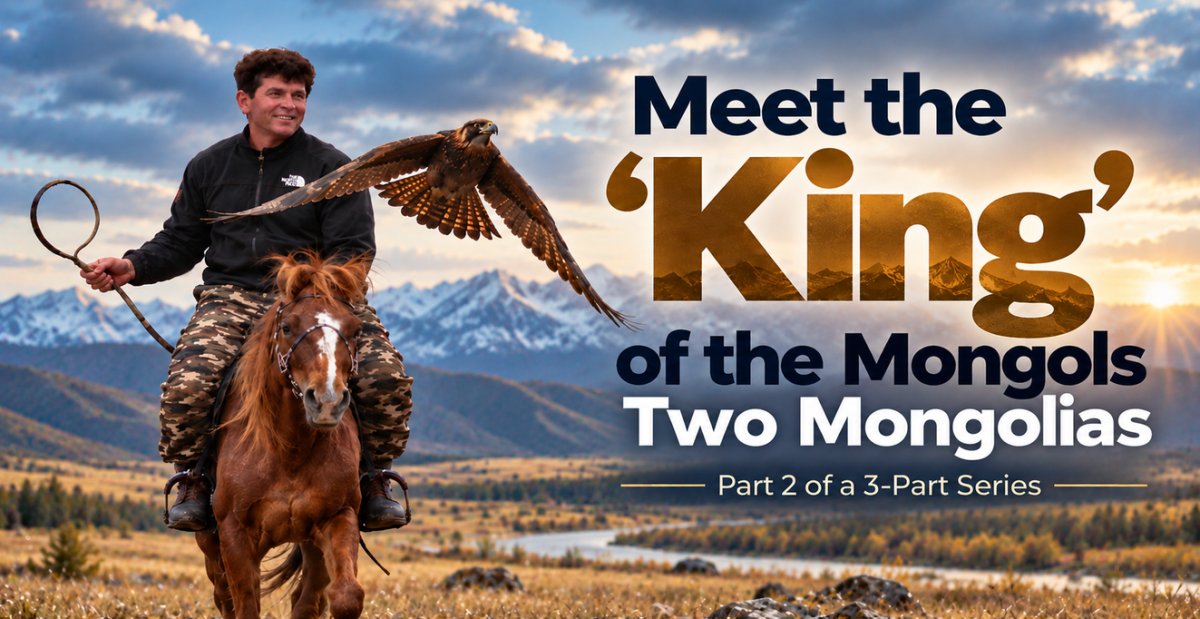
Two Mongolias: Meet the “King” of the Mongols

For more than 20 years, Brisbane man Jeff King has lived between two Mongolias. One has high-rise apartments, supermarkets and traffic so bad he often walks. In the other, his wife’s family can pack up their home and move with their animals — until the terrain gets too rough and the camels take over.

Jeff first went to Mongolia in 2003 and later married into a traditional herding family. His life since has taken him regularly between the capital, Ulaanbaatar, and the vast countryside where his wife’s relatives still raise sheep, goats, cattle and horses.

The family lived about three kilometres from central Ulaanbaatar, and Jeff had little enthusiasm for driving there. “We bought a car, but we didn’t buy it to drive in the city,” he said. “We bought it to get out.”


When the family moves, the house goes too

His wife’s relatives don’t simply wander across the countryside. Families have a migratory pattern for different seasons, typically making four major moves through the year, although grazing conditions can push that to eight or even 10.

The ger goes with them.

For a family accustomed to the job, Jeff said, the circular felt-covered home can be dismantled in about an hour. Trucks have taken over much of the heavy carrying, but only for as long as the terrain allows. In mountain country where a vehicle can go no further, camels can carry the ger and the family’s possessions for the rest of the journey.

Traditionally, Jeff said, a family could move its home and belongings with about five camels.

The scale of the livestock took some getting used to as well. His sister-in-law’s family can have more than 1,000 animals, roaming country without the paddocks and boundary fences familiar to Australians.

Photo Credit: Supplied

When different families’ sheep mingle, sorting them out might look impossible to an outsider. Jeff has watched herders recognise individual animals, know which lamb belongs to which ewe and separate mixed flocks. Their knowledge can stretch across generations of animals.

Even asking how many horses somebody owns comes with a rule Jeff learnt not to break. Asking directly is considered bad luck.

There is, however, a workaround: ask how many stallions the herder has. With roughly 20 mares to a stallion, Jeff said, the answer gives you a fair idea without asking the question you’re not supposed to ask.

Horses remain part of working life, although motorbikes now do plenty of the work as well. Trucks carry families between camps and smartphones have changed how people communicate across enormous distances.

Jeff has seen how quickly news can travel through communities that look isolated on a map. Phones and internet make that easier now, but even before them, information moved. Somebody would hear something, get on a motorbike and carry the news onwards.

Winter changes the equation again.

Temperatures around -30°C are unremarkable enough in Jeff’s experience, while the mercury can fall into the -40s. Families spread farther apart as grazing becomes scarcer, and journeys that are straightforward in summer become much more serious.

Hospitality matters in those conditions. A traveller arriving at an isolated ger can expect tea, food and shelter — things that take on rather more importance when it is 40 degrees below freezing outside.

Jeff generally saved his longer journeys for the warmer months. For a time, some of them were made with a vehicle full of books.

A library that came to the readers

Mongolia had high literacy from the Soviet era, Jeff said, but access to books could be difficult for families living far from population centres.

So the library travelled.

Jeff and his colleagues drove from family to family, leaving books and returning roughly a month later to exchange them. Among everything they carried, one title became the unexpected favourite: Jules Verne’s Around the World in Eighty Days.

Jeff took a camera with him too. He would photograph families, have the pictures printed and bring them back on subsequent visits, giving him another reason to return to the same people.

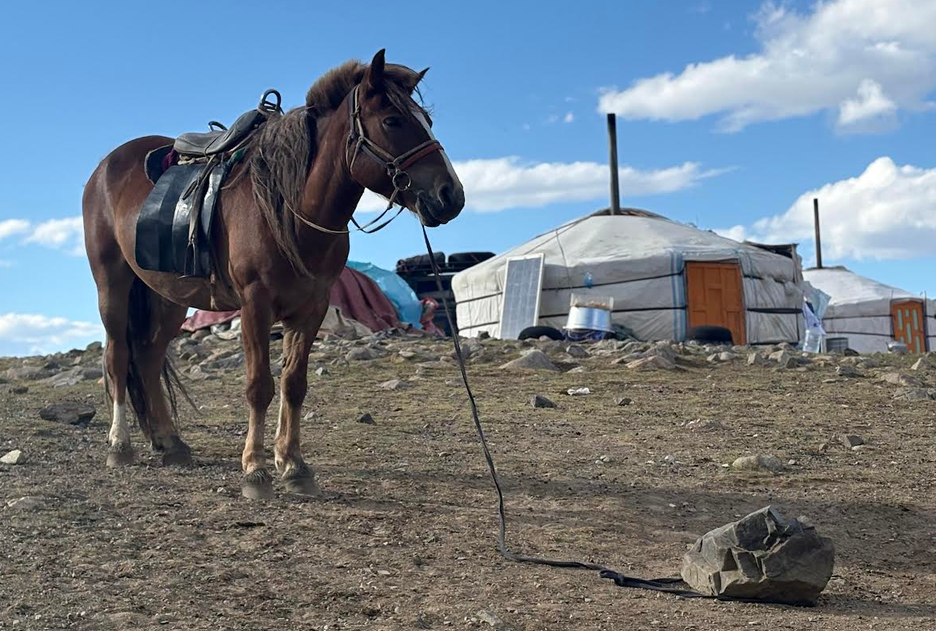
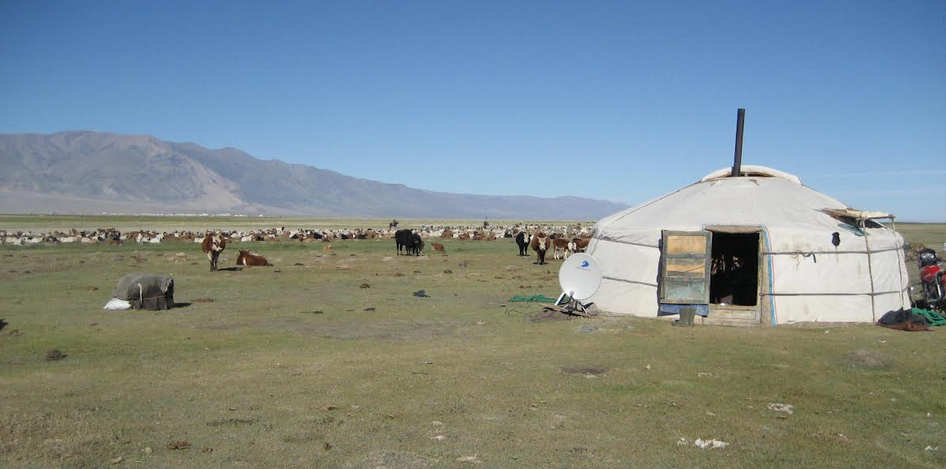
A horse outside a family’s ger. Note the solar panel outside the ger. Photo Credit: Supplied

Over time, combinations that might initially have struck an Australian visitor as unusual became part of the scenery: a motorbike outside a ger, a smartphone in a herder’s pocket, or a truck carrying a home that might later have to be transferred to camels.

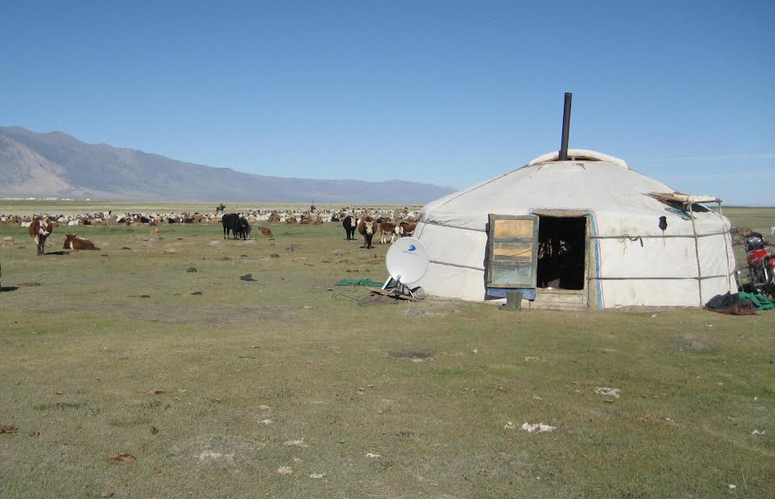
A satellite dish outside a ger is not an uncommon sight. Photo Credit: Supplied

Most herdsmen also have solar panels that run a light and TV, and satellite
dish that provides them with about 100 channels – most of which are Chinese
or Russian.

None of it seemed particularly unusual to Jeff’s children.

For Jeff, moving between these two Mongolias took years of learning. For his sons, there was never the same dividing line.

The apartment and the ger, Brisbane and Ulaanbaatar, English and Mongolian, city life and their mother’s herding family — all of it belonged to their childhood.

As the boys grew older, that raised a much harder question for Jeff and his wife: when your children belong to two countries, where is home?

Jeff talks about all these and more at the Brisbane Men’s Breakfast on October 17.

Free Community Event
Brisbane Men’s Breakfast
Jeff King — Saturday, 17 October

The free community breakfast brings men together at Dale Farm in Fitzgibbon every four to eight weeks, with a guest speaker chosen for the uniqueness of their story.

Where: Dale Farm, 42A Desert Willow Way, Fitzgibbon
Start: 6.30am–7am
Cost: Free
Who: Lads of all ages welcome
Also: Coffee van on site

NEXT: Part 3: Raising a Family Between Two Worlds

Updated 3-October-2026

Meet the “King” of the Mongols Living in Brisbane

Jeff King went to Mongolia for six weeks in 2003. He could hardly have known that the trip would lead to more than 20 years of his life there, a Mongolian wife and an extended family of nomadic herders — or that he would become comfortable with winters deep into the minus 40s, meals that begin with the offal, and journeys into country where the truck eventually stops and the camels take over.

He was 29 when he returned in 2005 to work as a Christian missionary, and Mongolia gradually became much more than the place he had gone to work. Jeff learnt the language, married into a herding family and spent years moving between life in Ulaanbaatar and visits to relatives in the countryside.

Those two worlds could hardly look more different. Ulaanbaatar has high-rises, supermarkets, restaurants, smartphones and traffic bad enough that Jeff often preferred to walk; outside the capital, members of his wife’s family continue to raise sheep, goats, cattle and horses, moving with the seasons and the available grazing.

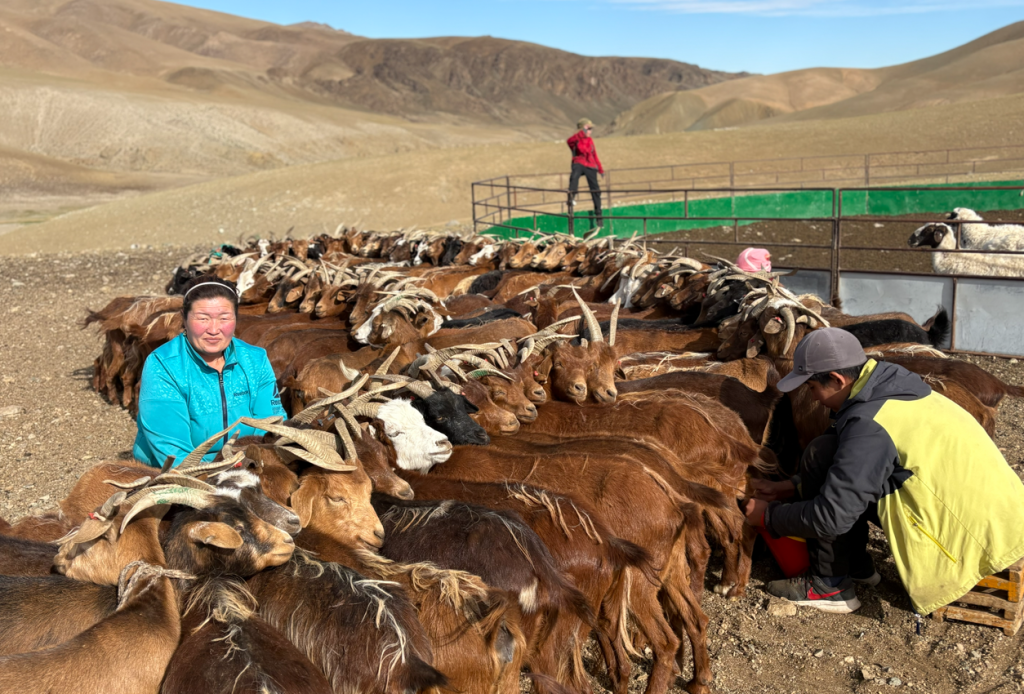
Milking the goats. Photo Credit: Supplied

For Jeff, that Mongolia isn’t something encountered on a tour. The people living it are his in-laws, and over the years he has had to learn everything from milking animals and living in a ger to navigating the considerable expectations of Mongolian hospitality.

Now back in Brisbane, he will tell some of those stories at the free Brisbane Men’s Breakfast at Dale Farm in Fitzgibbon on Saturday, 17 October.

Twenty-three years after that first six-week visit, the more interesting question is no longer why an Australian went to Mongolia.

It’s how Mongolia became home.

A Different Life

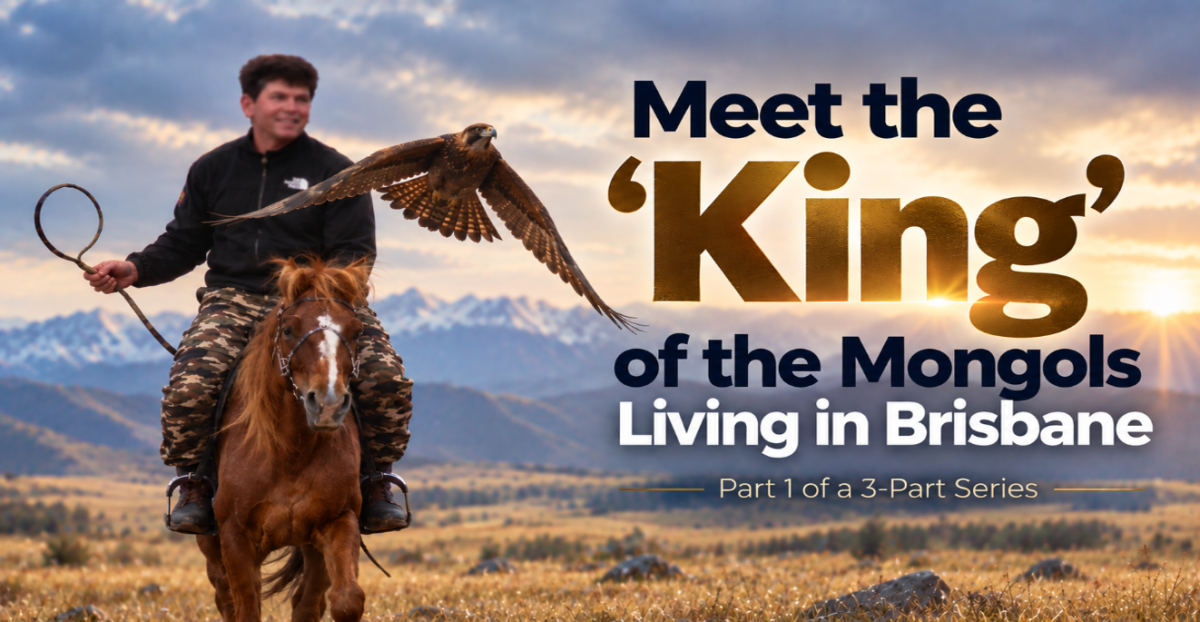
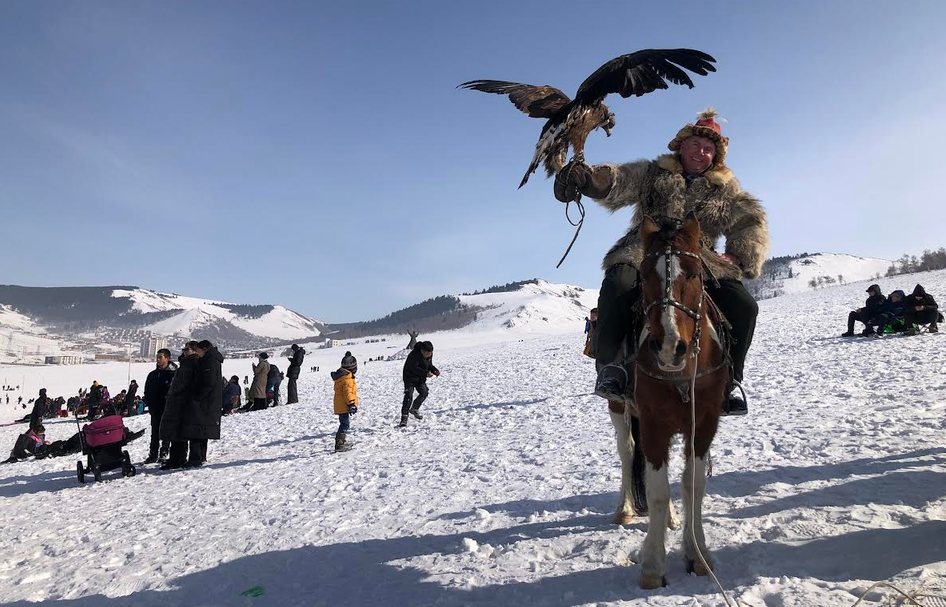
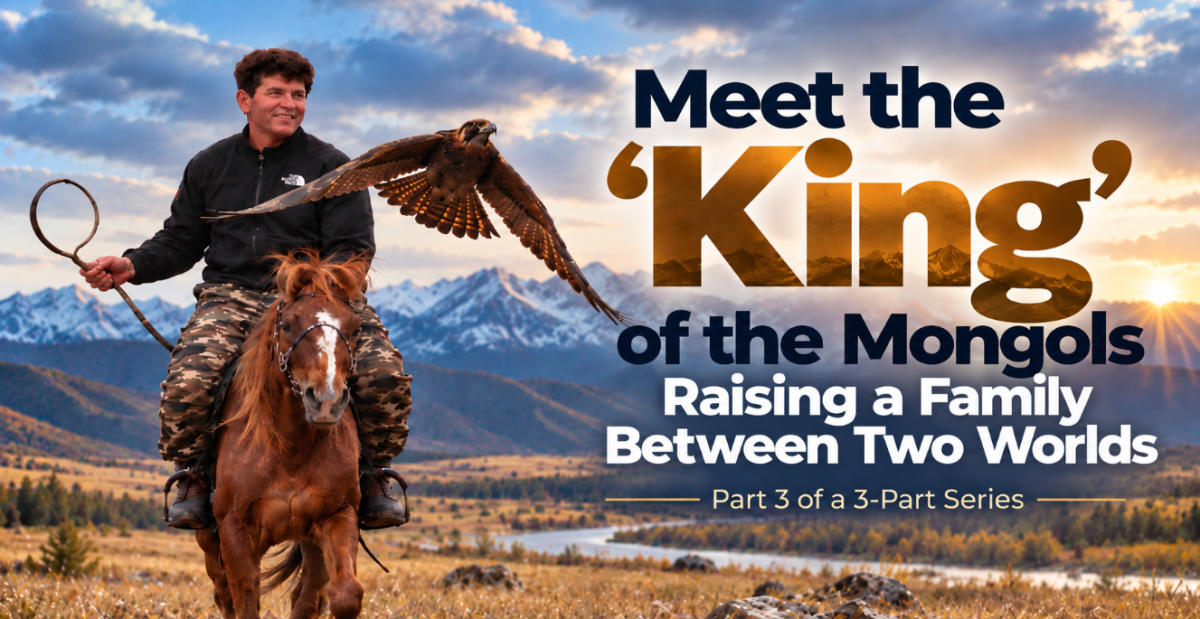
Jeff on horseback. Photo Credit: Supplied

A striking image shows the version of life that immediately catches the eye: Jeff riding through the snow with a large bird of prey, offering a glimpse of the equestrian traditions he encountered during his years in Mongolia.

But Mongolia gets more interesting once you move beyond the photograph.

Jeff can walk through Ulaanbaatar past high-rises, supermarkets and traffic jams, then head into countryside where there are hardly any fences. His relatives can move several times in a year, taking their ger and possessions with them as they follow grazing for their animals.

Trucks now do much of the carrying. Eventually, though, the terrain can become too difficult for them.

From there, the family loads what it needs onto camels and keeps moving.

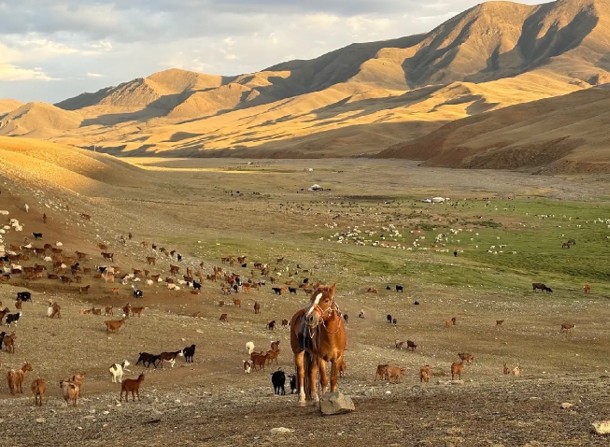
Ger with animals. Photo Credit: Supplied

Jeff’s wife grew up in a traditional herding family, and relatives still live from their animals today. That meant his introduction to rural Mongolia was not a carefully packaged cultural experience. He was entering family life, with all the expectations that came with it.

Food was one of the quicker ways to discover them. When an animal is slaughtered, very little is wasted, and the first meal can involve parts that would rarely make it onto an Australian dinner table.

“The first meal is eating the guts,” Jeff said.

Heart and kidneys were fine by him. For everything else, experience eventually taught him to get in early, take something he liked and make his enthusiasm obvious.

“I don’t mind the heart and I don’t mind the kidneys. You grab the bit you know you don’t mind and say, ‘Oh, this is great.’ Then they’re not trying to feed you.”

Even the dairy could beat him. Aaruul, a traditional dried curd, can be extremely hard, and Jeff remembers keeping a piece in his mouth for about half an hour before discreetly burying it. These days he eats it; his boys love it.

Not every lesson was about food. He once watched his brother-in-law trade a sheep for a sack of potatoes and thought he was witnessing a terrible deal. What Jeff didn’t know was that the sheep had nearly died the previous year and was no good for breeding.

“They’re not dumb,” he said. “He gave his absolute worst sheep for their sack of potatoes.”

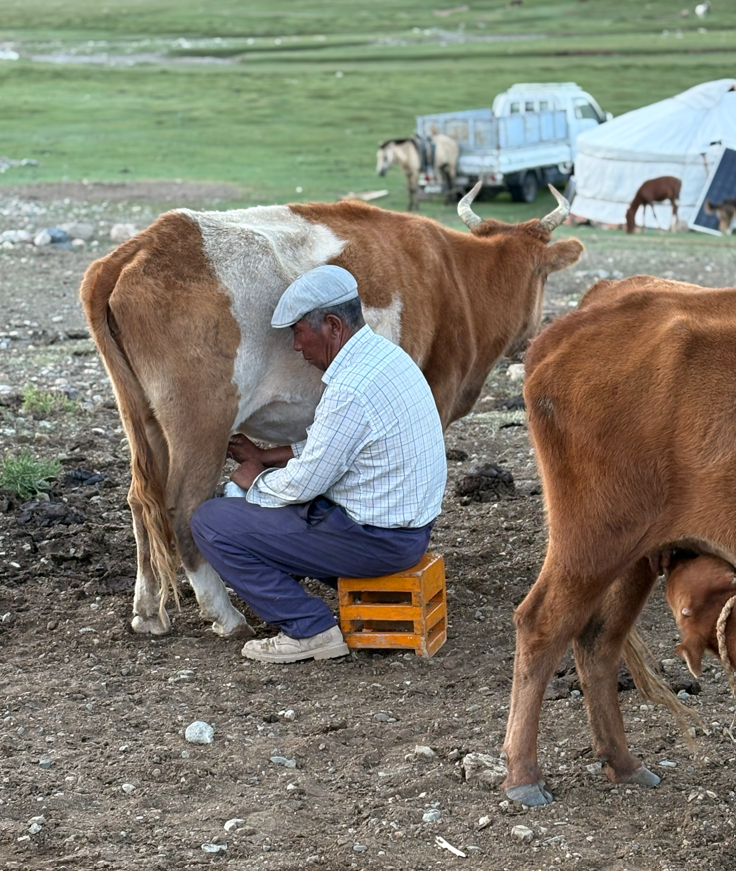
Mongolian herdsman milking a cow. Photo Credit: Supplied.

It was one small glimpse of how well herders know their animals. Herds can exceed 1,000 animals, yet Jeff has watched people recognise individual sheep and know which lamb belongs to which ewe.

Learning to live with the cold

Winter required a different education.

Jeff has seen temperatures fall well into the -40s and keeps a screenshot showing -49°C. On one journey his car thermometer could go no lower than -30°C, while another vehicle travelling with him eventually reached the bottom of its gauge at -40°C.

By then, the cold was affecting the vehicles themselves.

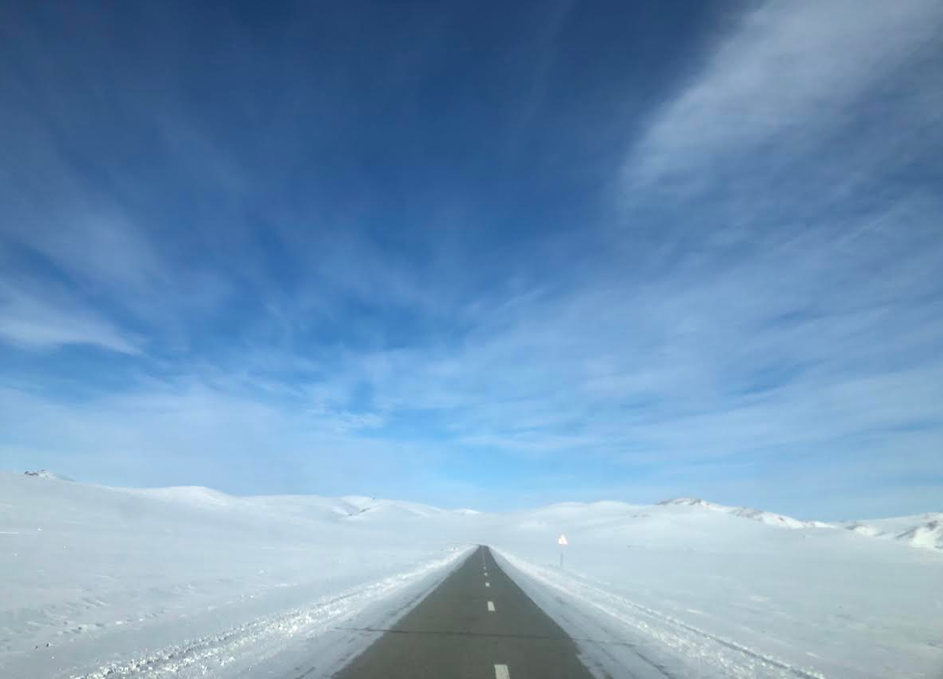
Icy Mongolian road. Photo Credit: Supplied

“The brake fluid starts to freeze. Your brakes don’t work really well. Even the steering fluid — the steering gets hard.”

“You never travel alone in winter,” Jeff said. “If you have a breakdown, it’s very dangerous.”

Summer made travelling through the countryside easier, and some of those journeys came through an unusual project Jeff helped operate: a mobile library.

Books were taken to nomadic families, left with them and exchanged when Jeff and his colleagues returned roughly a month later. The runaway favourite was Jules Verne’s Around the World in Eighty Days.

Jeff began taking photographs of families as well, having them printed and bringing them back on later visits. The books gave him a reason to return, and repeated visits meant people who had initially been strangers became familiar faces.

That overlapped naturally with the Christian missionary work that had brought him to Mongolia. Jeff travelled through cities and remote communities, sometimes arriving at a ger and asking simply: “Do you want to hear some good news?”

The answer varied. Some weren’t interested; others invited him inside for tea.

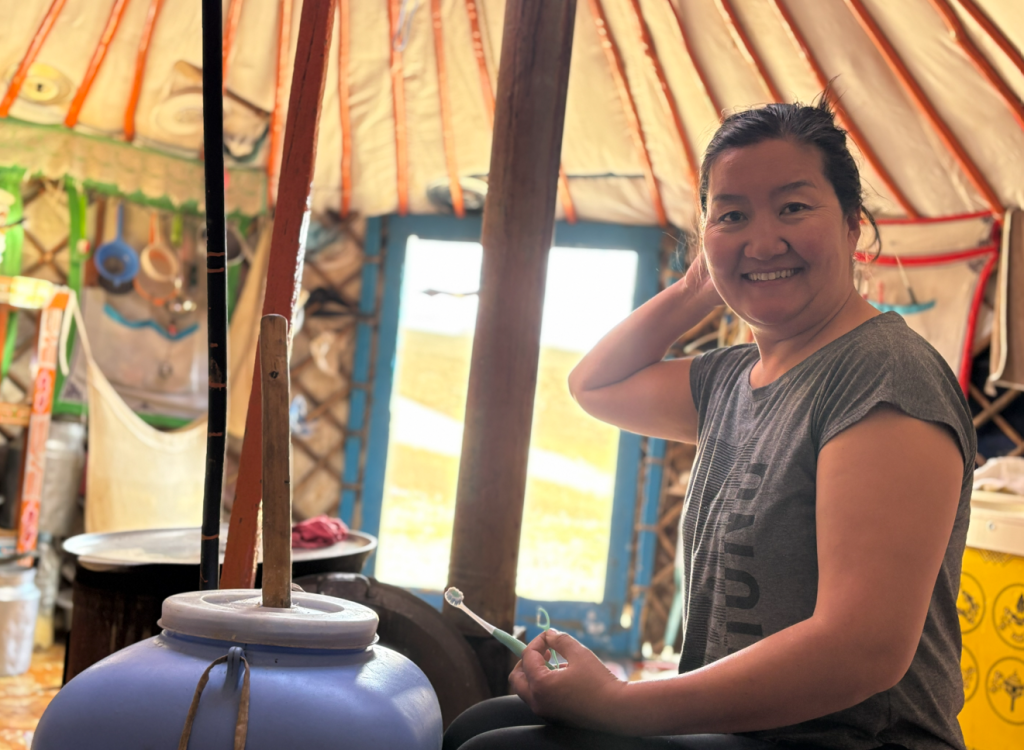
Jeff’s wife making milk products. Photo Credit: Supplied

By then, though, Jeff’s connection to Mongolia was becoming increasingly personal. He wasn’t simply working there and returning to Australia with stories about an unusual place.

Jeff’s son and a herdsman. Photo credit: Supplied

He had married into a Mongolian family, learnt their language and watched his children grow up with things he had needed years to learn. Mongolia had stopped being an overseas posting.

Bringing the story to Fitzgibbon

Jeff will be the featured speaker at the Brisbane Men’s Breakfast on Saturday, 17 October, at Dale Farm, 42A Desert Willow Way, Fitzgibbon.

The free community event starts between 6.30am and 7am, with a coffee van on site and lads of all ages welcome.

Free Community Event
Brisbane Men’s Breakfast
Jeff King — Saturday, 17 October

The free community breakfast brings men together at Dale Farm in Fitzgibbon every four to eight weeks, with a guest speaker chosen for the uniqueness of their story.

Where: Dale Farm, 42A Desert Willow Way, Fitzgibbon
Start: 6.30am–7am
Cost: Free
Who: Lads of all ages welcome
Also: Coffee van on site

NEXT: Two Mongolias — Jeff King takes us from the streets of Ulaanbaatar into the Mongolia most visitors never get close enough to know.

Published 15-September-2026

The Men’s Breakfast in Fitzgibbon: A Monthly Gathering Every Man Should Experience

As the sun rises each month, hundreds of men gather at Dale Farm in Fitzgibbon for breakfast, stories and a reminder that resilience often grows through shared experience.

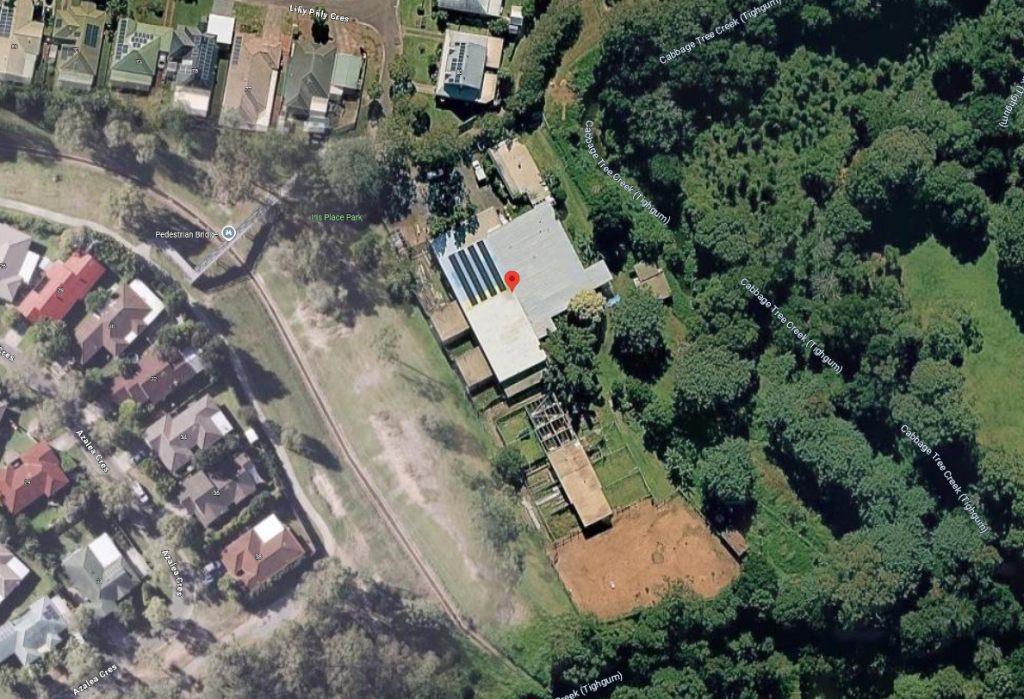
It was a very humid morning as I drove to Fitzgibbon, an interesting local community surrounded by green spaces near Carseldine, to an interesting house and some very interesting people.

Fitzgibbon is named after Abraham Fitzgibbon, the engineer who designed early Queensland railways. Fittingly, the suburb sits beside the North Coast railway line that helped develop the Carseldine–Bald Hills corridor.

Fitzgibbon didn’t really exist until the 1980s, when rural subdivisions began to take shape. Parts of the suburb were built on landfill, particularly around Telegraph Road and Roghan Road.

Meet Hudson Dale

Hudson Dale is an extraordinary, selfless man. I don’t fully understand how he has developed his amazing monthly men’s breakfast; but what I do know is we need more Hudson Dales on this planet.

Around 200 men gathered for breakfast on Saturday morning in Hudson’s converted barn as the sun rose, kicking off around 6:30am.

The property once flooded badly and tested Hudson’s love of what he calls Dale Farm, a sprawling acreage property among an estate of normal sized blocks.

Quite inexplicable how this enormous block sits within Desert Willow Way – it’s one of many eccentric but brilliant components of Hudson’s life.

A long line up for the great coffee, multiple volunteers cooking bacon, eggs, snags and toast, without fanfare… selflessness on full display.

I was an outsider, my first attendance at a monthly event that I had heard a lot about. In fact, my good friend Andre Moore, the former Bullets star and Denver Nugget, had previously been guest speaker and he had invited me but I couldn’t make it.

A gentleman introduced himself to me — Daniel. He had suffered a major car accident, the type where you spend 18 months in hospital while surgeons rebuild you. After running a very busy surveying business in Katherine, NT, he had recently moved from a wheelchair to walking with the assistance of a four-wheel walker as his rehabilitation unfolded from his new home in North Lakes.

The grace and dignity in this man would inspire anyone who met him. His family (including three kids) will have been through the most terrible journey, but Daniel was magnetic and hopefully, his recovery and continued progress will enable him to flourish.

The men that attended ranged in age from their early 20s to their 70s — business people, people looking for inspiration and company and sports people.

Ian Jacobs, three time world kickboxing champion, who looked in incredible shape, was in attendance.

Isaac Hardman was also in attendance, a young UFC fighter who was about to fight in his next IBC event having knocked out his previous opponent. IBC is a new derivation of MMA in the mould of what T20 is to cricket, a smaller cage so less room to retreat, two minute rounds and no grappling. You can follow Isaac’s career progress here and see his latest victory speech.

Quite a panoply of men who all had a story. Hudson’s off-the-cuff intro was hilarious. The warmth of the welcome was world-class and the main event didn’t disappoint. The main event was Barney Lewis.

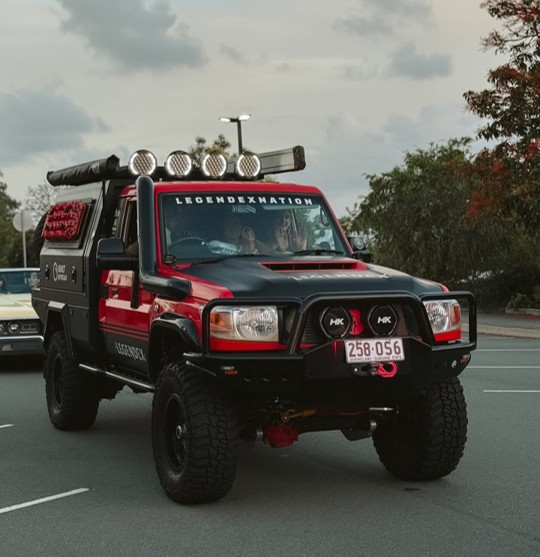
Barney Lewis is quite a bloke. His business Legendex is a one stop shop for four wheel drives.

Barney’s 45-minute speech was inspiring, fascinating and didn’t pull any punches. It touched on the rugged story of his life and the rugged territory he had driven through. The theme was resilience, presented to a room of men that appreciated the tough times that life can bring.

He related the amazing story of driving the $1000 Track in Tasmania, known to be a catastrophe for anyone attempting it. Catastrophe, that is, for the vehicles that are designed to withstand the extreme conditions but rarely do. In fact, constantly repairing broken vehicles is the common outcome.

If you haven’t heard of the ‘Thousand Buck Track‘, here’s an insight into it:

He was a fan of the “half-bloke from Ipswich” –- you had to be there to appreciate who he was talking about, but the reference brought the house down.

He brought his big, red fire truck, a great example of a vehicle he has broken over and over and always repaired and made stronger.

A brilliant analogy for his life story.

Photo Credit: Facebook/Barney Lewis

Barney is a leader who would constantly divert respect and pride for his offsider, Jesse and his son Jackson.

His story covered his rollercoaster business and personal life, which would have resonated with the audience.

Here’s a longer form version of Barney’s business story on a podcast called the Wildcast. The host was also in attendance on Saturday.

The Men’s Breakfast happens every month, graced by men from far and wide that are determined to get up at the crack of dawn to attend an event with a purpose — inspiring resilience but not in a one dimensional way, focused instead on hearing great stories and being amongst a great group of blokes.

Men's Breakfast Fitzgibbon

Hudson Dale is a force of nature who is quietly building a movement. Whilst his days focus on Commercial Real Estate as a director of Raine and Horne based in Kedron, his curation of the Men’s Breakfast deserves a spotlight.

We really do need more Hudson Dales.

Published 8-March-2026

Holy Spirit College Fitzgibbon, New Secondary Catholic School in 56 Years, Officially Opens

After more than a year of construction, Holy Spirit College Fitzgibbon, the first co-ed Catholic high school to be established in Brisbane in 56 years, has officially opened!


The school welcomed nearly 100 students attending Year 7 at its new $1.35 million facilities in February 2022. But on 3 June 2022, the school welcomed His Grace, the Archbishop of Brisbane Mark Coleridge, alongside The Hon Stirling Hinchliffe, the Minister for Tourism, Innovation and Sport, and Member for Sandgate for the blessing and opening ceremonies. 

Holy Spirit College Fitzgibbon Principal Stephan le Roux said that they were inundated with applications from parents within a few months of the announcement of the plans to build a new Catholic school in North Brisbane. He confirmed that enrolments are “fully subscribed until the end of 2025.” 

Two more buildings are due to be completed in the coming years. Wunya, which means “welcome” in the local Turrbal language, will house the administration block. The other building will be called Garrnang, which means “community”. 

The buildings were funded by the Queensland Government and Brisbane Catholic Education (BCE).

The last BCE high school to open in Brisbane was Clairvaux Mackillop College, Upper Mount Gravatt in 1966.  

Executive Director Dr Sally Towns that locals in Fitzgibbon have been looking for a faith-filled co-educational schooling option and BCE recognised the community as a priority growth area. 

Needless to say, the students and staff have been eager to come to school and experience the “innovative approach to education, implementing project-based learning to enhance the teaching of the Australian Curriculum,” according to the principal. 


Fitzgibbon Prepares for Opening of New Holy Spirit College in 2022

A new Catholic high school in Fitzgibbon is preparing to welcome its first batch of students for the January 2022 school opening as the construction of Holy Spirit College, located on the site of a former golf driving range, is ongoing.


Stirling Hinchliffe MP announced that Holy Spirit College received $1.3 million in funds from the State Government under the Non-State School Capital Assistance Grants. The money will be used for more construction work on the external infrastructure and to pay for related Council headwork charges.

The new school will consist of several blocks of classrooms in buildings that are one to three floors high. The blocks also have a music and performance hall, a sports centre, a cafe and the campus piazza. 

Holy Spirit College
Photo Credit:  Holy Spirit College
Photo Credit:  Brisbane Catholic Education

Some 96 Year 7 co-ed students are expected to attend the school in its inaugural year whilst applications have been opened for the next three years (2023, 2024 and 2025). Enrolments are currently accepted at the school’s temporary office at Unit 2, The Clock Corner 521 Beams Road in Carseldine.

Holy Spirit College will be the 147th school under Brisbane Catholic Education. It was named after the Holy Spirit Missionary Sisters who founded Zillmere’s St Flannan’s School in 1953. The congregation has done various ministries in education, pastoral work and health care in north Brisbane.

“At Holy Spirit College, we aim to educate our students with an appreciation of the spiritual as well as the intellectual and physical aspects of their lives. We strive to work with our parents/care​rs to produce young people of faith and character,” Stephan le Roux, the school principal said in a statement on the school’s website.

“We strive to create an environment that puts the student at the centre and where that student supported by dedicated teaching staff and tremendous community spirit.  As a team, we are looking forward to developing further, the learning and teaching opportunities that will engage our students and build our teaching tools to deliver a dynamic and progressive curriculum.” 


For enquires, phone 07 3375 8500 or email the school administration at secondaryfitzgibbon@bne.catholic.edu.au

Expressions of Interest for New Catholic Secondary School on Beams Road, Fitzgibbon Now Being Accepted

Expressions of interest are now being accepted for a new co-educational Catholic Secondary School being proposed for Beams Road in Fitzgibbon, planned to open in 2022.

Brisbane Catholic Education seeks to develop a Catholic High School, on the corner of 441 Beams Road and Carselgrove Avenue, catering to Grade 7-12 students. The 5.76-hectare land was the former site of the Big Easy Golf and Leisure Centre.

BCE is a community of parish and dioscesan Catholic schools operating 141 schools across the Archdiocese. The institution recently opened two Prep schools in Bli Bli and Coomera.

Between 2020 and 2025, Brisbane Catholic Education plans to open six new schools:

  • Primary school in Redbank Plains , to open with Prep – Year 3 in 2020
  • Three secondary schools: Plainland and Yarrabilba – to open in 2021, Fitzgibbon – to open in 2022 
  • Two Prep schools: Flagstone – to open in 2024; Narangba – to open in 2025.

The future high school in Fitzgibbon will feature two-storey classrooms, specialty classrooms, administration, PE/Hall with car park, Learning Centre, Music and Performance, cafe,  tennis court, sports field, campus piazza, and staff parking.

 co-educational Catholic Secondary School being proposed for Beams Road in Fitzgibbon
Photo credit: Amanda Cooper – Councilor  for Bracken Ridge Ward / amandacooper.com.au

Councilor Amanda Cooper, however, expressed concerns about the proposed development. The applicant, she said, is seeking Ministerial Infrastructure Designation (MID), which means Council will not be able to assess the plans and will remove the process of letting residents voice their concerns regarding the proposal.

“While I recognise the need, and support the provision for additional educational facilities, I hold serious concerns about the lack of community consultation this development will receive,” Councilor Amanda Cooper said.

“Fast tracking a development of this nature should not occur without adequately addressing the existing issues that are already impacting residents, specifically the Beams Road open level-crossing and the significant lack of commuter parking at Carseldine Train Station. 

“In seeking a MID for this site, it ultimately and unnecessarily removes the ability for Council to review, assess and provide guidance on the impacts that will be experienced by the community. Most importantly, it also removes the right for residents who will be at the forefront of any impact, the ability to express their concerns,” she said.

Parents wanting to express their interest in the new proposed Catholic Secondary School in Fitzgibbon may click on this link to access the form.


Perfect Outdoor Fun at the Bracken Ridge Skate Plaza in Fitzgibbon

Have you already been to the Bracken Ridge Skate Plaza in Fitzgibbon? If not, then you should check this place out; a perfect destination for a day out with the kids.

The Bracken Ridge Skate Plaza and the newly opened Bracken Ridge BMX Track facility sit right next to the Emily Seebohm Aquatic Centre. These new facilities are perfect for skaters, scooters, and BMX enthusiasts of any age and ability.

The Bracken Ridge Skate Plaza, designed by skatepark designer and builder Convic, boasts of competition standard facility with a range of unique features to cater to the advanced and those who want to develop their skills.

Photo credit: Jack “Ripper” Lewis/Facebook

Bracken Ridge Skate Plaza features:

  • skate obstacles including ledges, rails, banks, spines and gaps
  • transitions including various quarter pipes and roll-ins to enhance usability and flow
  • unique structures including a skateable planter box, pole jam and pyramid
  • lighting installation to facilitate night time use of the park
  • a shelter, seating and trees to provide shade.

Photo credit: Convic/convic.com

It’s great to know, as well, that these facilities are free to use and enjoy. Children of all ages will definitely have lots of fun here riding their three-wheeled scooters, bikes, or skates. With a covered area of 1,000 sqm, it provides plenty of room to move around plus the Emily Seebohm Aquatic Centre nearby to swim and cool down after a day of activities at the plaza.

Photo credit: Brooke Dixon/Facebook


Now, for those who want a levelled-up kind of fun, there’s the 640-metre Bracken Ridge BMX track to try and test your skills. The BMX facility features:

  • an asphalted track with freestyle jumps for recreational riding
  • a shade shelter
  • installing signage
  • landscaping
  • lighting
  • drinking fountain and rubbish bins
  • pedestrian pathway connections to Telegraph Road and the precinct car park

Photo credit: Convic/convic.com

The Bracken Ridge BMX Track is one of the biggest BMX tracks in Australia and it’s open to the public all-year-round. Both the Bracken Ridge Skate Plaza and the BMX Track are fully flood-lit during night time and there is also a large onsite free parking.

Check out the Bracken Ridge Skate Plaza and BMX Track, located at 523 Telegraph Road, Fitzgibbon.