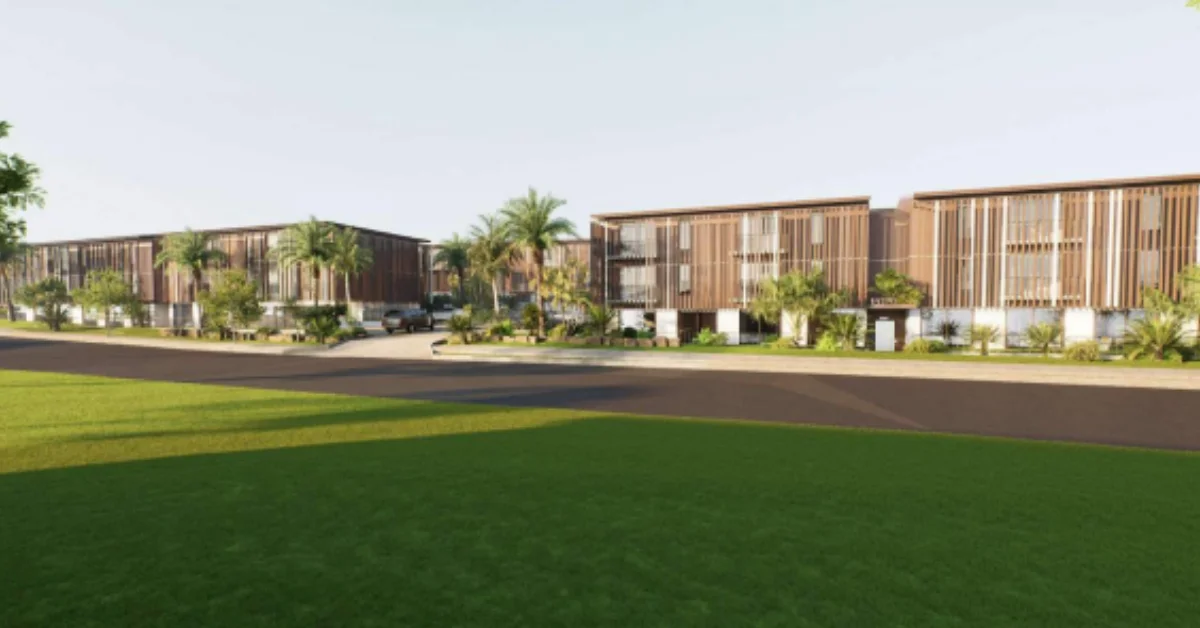
A redevelopment application has been lodged to transform the long-established Comfort Inn in Carseldine into a larger accommodation complex featuring 201 guest rooms.
The proposal would replace almost all of the existing motel buildings with seven new accommodation buildings while retaining the site’s existing function room, creating a significantly expanded short-term accommodation development.
The redevelopment has been proposed for the Comfort Inn at 77 Denver Road, Carseldine, a 12,980-square-metre site that has operated as motel accommodation for many years. The development application seeks approval to demolish all existing motel buildings, except the function room, before constructing seven architecturally designed accommodation buildings.
The latest application follows a development approval granted in 2024 for an expansion that would have increased the motel’s capacity to 137 guest rooms. The new proposal replaces that earlier concept with a comprehensive redevelopment that would increase the site’s accommodation capacity to 201 guest rooms.
According to planning documents, the current motel contains 55 guest rooms, all of which would be demolished as part of the redevelopment. Once complete, the site would accommodate 201 guest rooms, representing an increase of 146 rooms.
Photo credit: Brisbane PD Online – A007016321
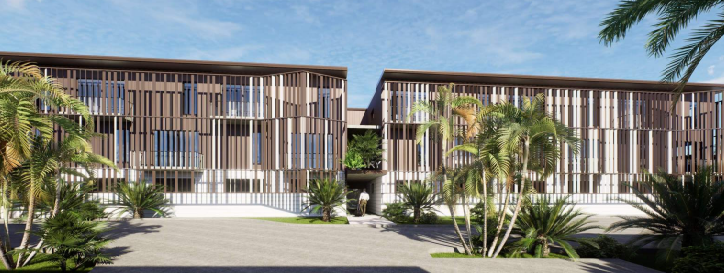
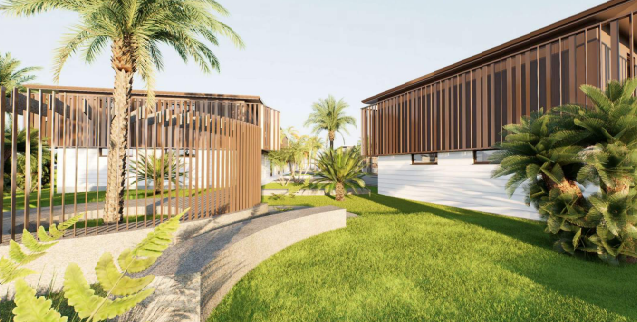
Designed by Sheltaco, the redevelopment would include three buildings rising to three storeys, with a maximum height of 9.5 metres, alongside four two-storey accommodation buildings positioned around the site’s northern, eastern and western boundaries.
The largest building would be located near the centre of the site and contain 72 guest rooms. Two additional three-storey buildings would provide 27 and 30 guest rooms respectively, while the four two-storey buildings would each contain 18 guest rooms, contributing another 72 rooms.
Photo credit: Brisbane PD Online – A007016321
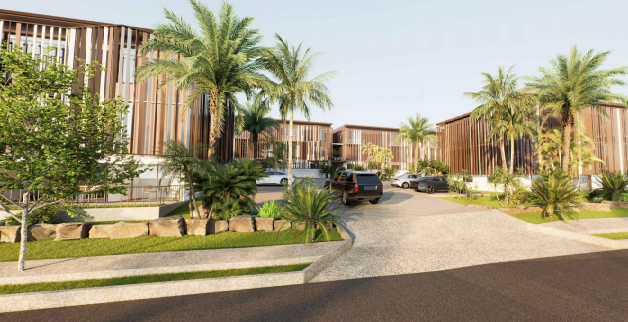
The proposal also includes a communal open space, a swimming pool and landscaped recreation areas. Supporting infrastructure would be upgraded as part of the redevelopment, including an increase in on-site parking to 113 car parking spaces, two service vehicle bays, on-site refuse collection facilities and upgraded vehicular access from Denver Road.
Planning documents also outline changes to site access, with an expanded seven-metre-wide Type B2 crossover proposed from Denver Road. A traffic engineering assessment submitted with the application concluded the redevelopment’s traffic generation would have a negligible adverse impact on the surrounding road network.
According to the planning report prepared by Town Planning Strategies, the proposal would introduce additional accommodation within seven contemporary buildings while improving the site’s presentation to the surrounding streetscape.
The report states the site is well suited to the redevelopment because of its long-established use as motel accommodation. It also concludes that the proposed buildings, which would not exceed 9.5 metres in height, are not expected to adversely affect the intended low-density residential character of the surrounding area.
The development application will now be assessed by Brisbane City as part of the development approval process.
Featured image: Render for Comfort Inn in Carseldine (Photo credit: Brisbane PD Online – A007016321)
Most people don’t give much thought to diagnostic imaging until the day their doctor says, “I’d like you to have a scan.”
For Sarah*, what began as persistent shoulder pain after a weekend of gardening ended with a referral from her GP. The doctor suspected more than a simple strain and recommended an X-ray, with the possibility of an MRI if further investigation was needed.
Like many patients, Sarah’s questions came almost immediately. Where do I go? How long will I have to wait? Will Medicare cover it? And if I need more than one type of scan, will I have to travel to different clinics?
Sarah’s experience is far from unusual. According to the Australian Institute of Health and Welfare, more than 10 million Australians—almost two in five people—received over 27 million Medicare-subsidised diagnostic imaging services in 2022–23, highlighting the important role imaging plays in diagnosing injuries, illnesses and ongoing health conditions.
For many patients, the clinic isn’t somewhere they ever expect to visit—it’s somewhere they hope they’ll never need. But when that referral does arrive, having quality diagnostic imaging available close to home can make an already stressful experience a little easier.
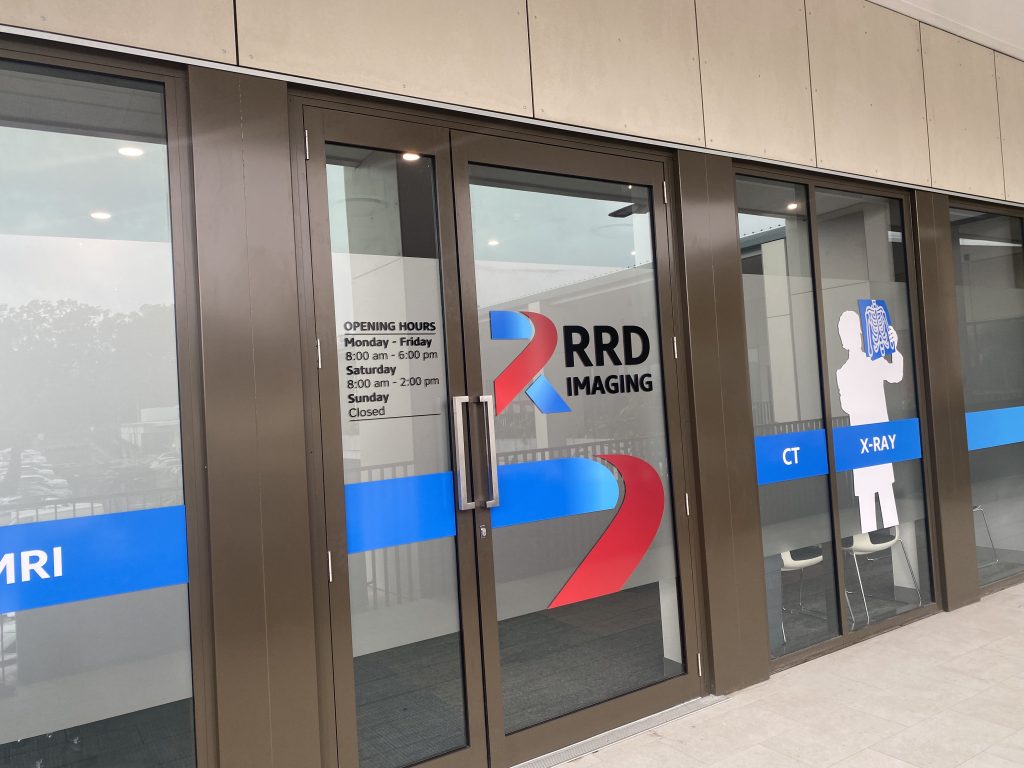
Now, residents across Brisbane’s north have another local option, with RRD Imaging opening a comprehensive diagnostic imaging clinic at The Village Carseldine.
More Than Just a Scan
Diagnostic imaging often provides the missing piece of the puzzle between symptoms and treatment.
Whether it’s investigating persistent pain, confirming a fracture, assessing a sporting injury, screening for breast cancer, monitoring bone health or examining internal organs, imaging helps doctors make informed decisions about what should happen next.
While patients often think of “getting a scan” as a single appointment, the reality can be more complicated. Depending on what’s being investigated, a doctor may require different types of imaging, each designed to answer different clinical questions.
One Referral, One Location
For Sarah, the possibility of needing both an X-ray and an MRI raised another concern.
Would she need to visit multiple providers?
It’s a situation many patients encounter. Depending on the provider, not every imaging service is available at every location. More specialised examinations such as MRI, bone density (DEXA), mammography or dental cone beam CT (CBCT) may require appointments at different facilities.
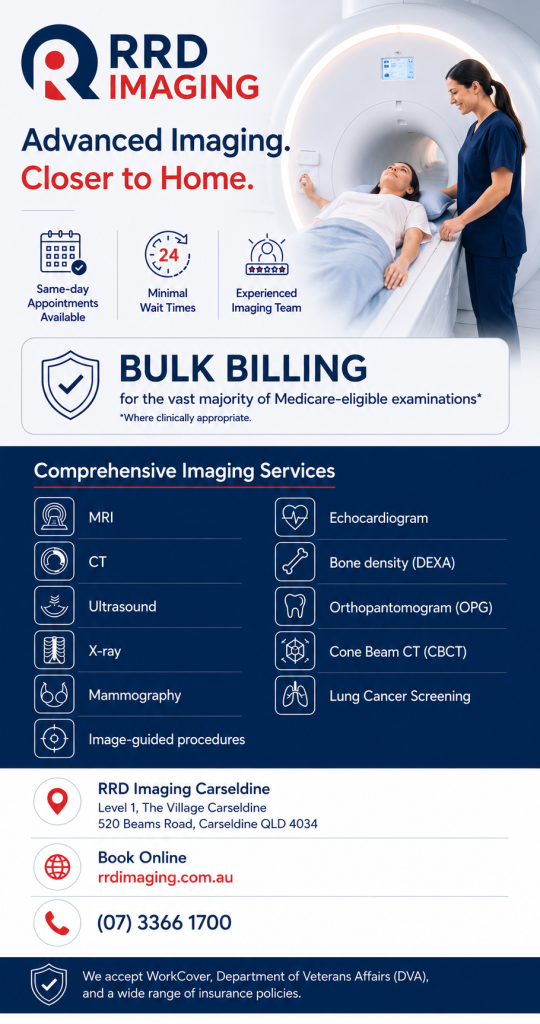
The new Carseldine clinic brings these services together under one roof, offering MRI, CT, ultrasound, X-ray, mammography, bone density scanning, orthopantomogram (OPG), CBCT, lung cancer screening and selected image-guided procedures.
For patients, that can mean fewer bookings, less travelling between different facilities and a simpler experience when more than one type of examination is required.
“RRD Imaging Carseldine has been purpose-built to provide residents of Brisbane’s northside with access to advanced diagnostic imaging technology comparable to that available in major metropolitan hospitals,” the RRD Imaging Lead Radiologist said.
“Our equipment has been selected to deliver high-quality diagnostic imaging while incorporating features designed to improve patient comfort, reduce scan times and support accurate diagnoses.
“By bringing these services together in a modern, community-based setting, patients and referring practitioners can access high-quality diagnostic care closer to home without the need to travel significant distances.”
Faster Answers Can Mean Faster Treatment
For many patients, the most difficult part isn’t the scan itself—it’s waiting.
Delays in diagnostic imaging can delay diagnosis and, in turn, treatment planning, particularly when doctors are trying to determine what’s causing a patient’s symptoms.
RRD Imaging’s Lead Radiologist points out that timely access had been a key consideration in designing the new clinic.
“We understand that timely access to diagnostic imaging is critical for patient care. Delays in imaging can result in delays to diagnosis and treatment.
“For this reason, our goal is to offer same-day or next-day appointments for most examinations wherever possible, helping to minimise wait times and enabling referring practitioners to make treatment decisions sooner.”
According to RRD Imaging, routine examination reports are generally provided to referring doctors within 24 to 48 hours, while urgent examinations may be prioritised and reported within two to four hours where clinically appropriate. Critical findings are also communicated directly to the referring practitioner when immediate attention is required.
Affordable Access Close to Home
Cost is another question many patients ask after receiving a referral.
Affordability is also a priority.
“At RRD Imaging, we are committed to making high-quality diagnostic imaging accessible, affordable and convenient for the community. We will bulk bill the vast majority of Medicare-eligible examinations where clinically appropriate.”
For services that do attract a gap payment, patients can generally expect out-of-pocket costs of around $20 to $150, depending on the examination, with fee information provided upfront before appointments so there are no surprises.
Another Piece of the Healthcare Puzzle
Sarah’s story is fictional, but the journey is one many people will recognise.
Whether it’s a child who falls off a bike, an athlete recovering from injury, someone attending a routine breast screen or pre-natal imaging, or an older person investigating osteoporosis, diagnostic imaging is often the next step after a visit to the doctor.
As Brisbane’s northern suburbs continue to grow, so too does the need for healthcare services closer to where people live. The arrival of a comprehensive imaging clinic in Carseldine adds another option for local patients and referring doctors—bringing a broad range of imaging services, same-day or next-day appointments for many examinations where possible, bulk billing for the vast majority of Medicare-eligible examinations where clinically appropriate, and the convenience of having multiple diagnostic services available under one roof.
Planning Your Visit
RRD Imaging Carseldine
RRD Imaging’s Carseldine clinic offers a comprehensive range of diagnostic imaging services, including:
MRI
CT
Ultrasound
X-ray
Mammography
Echocardiogram
Bone Density (DEXA)
Orthopantomogram (OPG)
Cone Beam CT (CBCT)
Lung Cancer Screening
Image-guided procedures
Patients can also expect:
Same-day or next-day appointments for many examinations where possible
Modern diagnostic imaging equipment
An experienced imaging team
Bulk billing for the vast majority of Medicare-eligible examinations where clinically appropriate
WorkCover, Department of Veterans’ Affairs (DVA) and a wide range of insurance referrals accepted
Community-focused care close to home
RRD Imaging Carseldine officially opens on 1 July at Level 1, The Village, 520 Beams Road.
Published 29-June-2026
Sarah is a fictional patient whose story has been created to illustrate a common healthcare journey.This article contains information and imagery supplied by the clinic.RRD Imaging is a Proud Promotional Partner of Brisbane Suburbs Online News.
Residents across Carseldine and Brisbane’s northern suburbs could be waiting until after the 2032 Olympic and Paralympic Games before construction begins on the long-promised Gympie Road bypass tunnel, following comments made during Brisbane City Council’s latest budget.
The future timing of the project has come under renewed scrutiny after LM Adrian Schrinner referred to the tunnel as one of the first major projects expected to begin after the 2032 Games.
The remarks have sparked a debate over whether northside commuters will face nearly a decade of further gridlock before work starts on one of Queensland’s most significant proposed road projects.
Bypassing Brisbane’s Busiest Bottlenecks
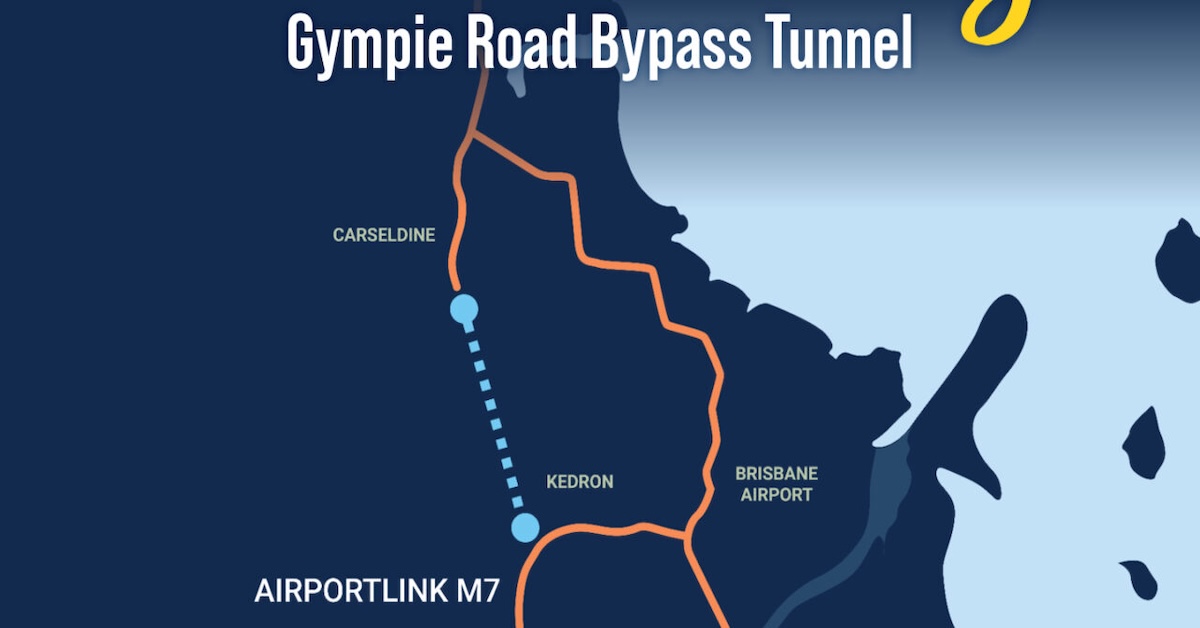
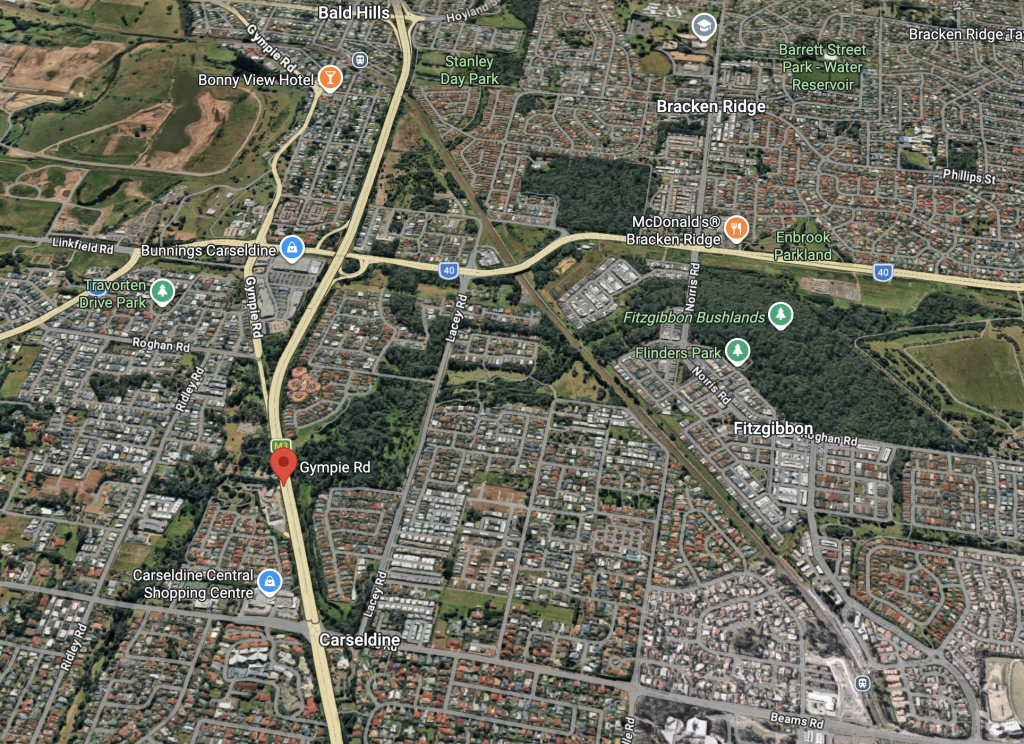
The proposed nine-kilometre underground tunnel is designed to link Carseldine and Kedron, carrying through-traffic away from Gympie Road’s most congested sections. Motorists regularly face severe delays at key intersections—including Beams, Hamilton, Rode, and Stafford roads—as rapid population growth puts immense pressure on Brisbane’s northern transport corridors.
While planning documents have identified potential entry and exit locations near Chermside, the project has effectively become a political football regarding its actual delivery timeframe.
Photo Credit: Google Maps
Tug-of-War Over Timelines
In June 2026, the budget comments quickly triggered pushback. Opposition leaders argued that northside residents should not have to wait years for relief, highlighting the daily toll the congestion takes on thousands of commuters.
In response, the State Government rejected suggestions that the project had been sidelined. Transport Minister Brent Mickelberg maintained that planning remains actively underway, progressing as promised during the 2024 state election campaign.
Mr Schrinner’s office also sought to clarify the remarks, claiming the comments reflected the project’s massive, long-term scale rather than a formal delay. They noted that mega-infrastructure projects inherently require extended planning periods, drawing parallels to other major transport schemes that took a decade to transition from blueprint to bitumen.
Community Divided on Alternative Solutions
The ongoing uncertainty has also intensified community debate over whether a mega-tunnel is the right fix. While many motorists view the underground bypass as the only practical way to remove through-traffic from surface roads, a growing contingent of residents argues for faster, more sustainable alternatives.
Online community forums show strong support for pivoting funding toward expanding dedicated northside busways, extending the Brisbane Metro further north, and upgrading rail infrastructure rather than continuing to focus heavily on road capacity.
Despite the uncertainty, the project has already progressed through several costly planning stages:
2023: The Queensland Government allocated $35 million for a detailed business case overseen by North Brisbane Infrastructure (under the Queensland Investment Corporation).
2024: The state budget injected a further $318 million for pre-construction activities, including technical studies, traffic modelling, and environmental assessments.
A familiar twilight market featuring live music, food, entertainment and family activities is set to return to Carseldine, with organisers expecting large crowds for one of North Brisbane’s biggest seasonal events: Winter Wonderland!
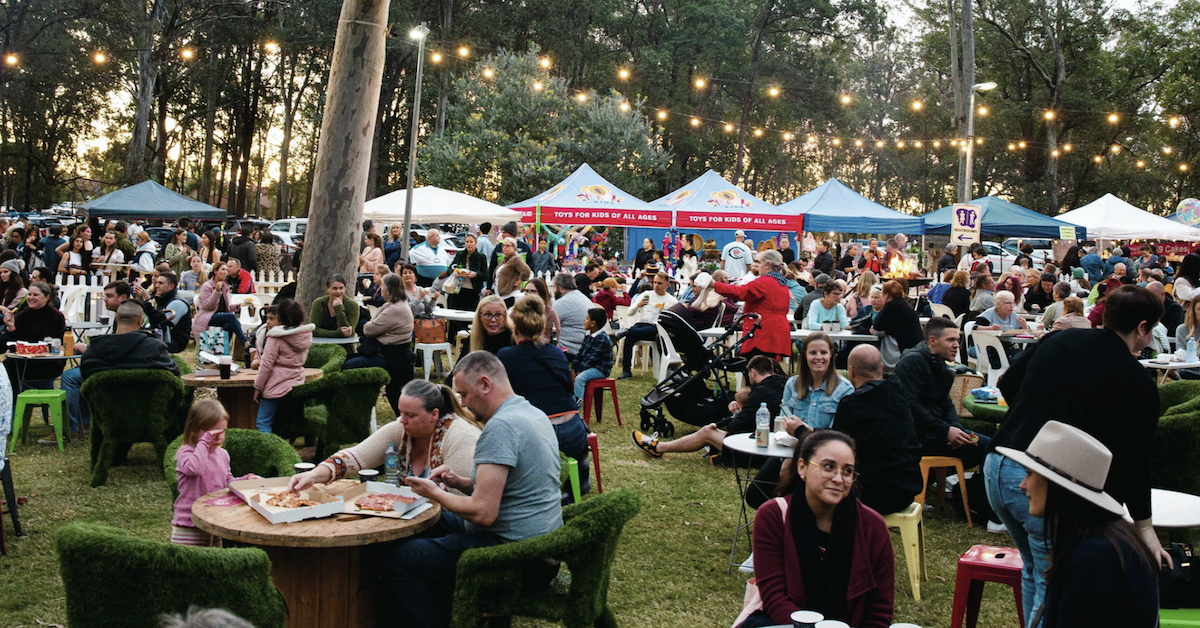
The Carseldine event will take place on Saturday, 6 June, from 4:00 p.m. to 10:00 p.m. at 133 Dorville Road. The event will transform the regular market site into a winter-inspired destination filled with specialty stalls, food vendors and live entertainment.
Organisers say more than 200 stalls will take part in the event, offering a mix of gourmet food, artisan products and locally made goods from across South East Queensland. The market has become a regular feature on the region’s events calendar, drawing visitors from across Brisbane’s northern suburbs.
Bonfires and Mulled Wine Add a Seasonal Touch
Winter-themed attractions will be a major feature of the event, with visitors able to gather around bonfires throughout the evening while enjoying food and drinks from two dedicated food courts.
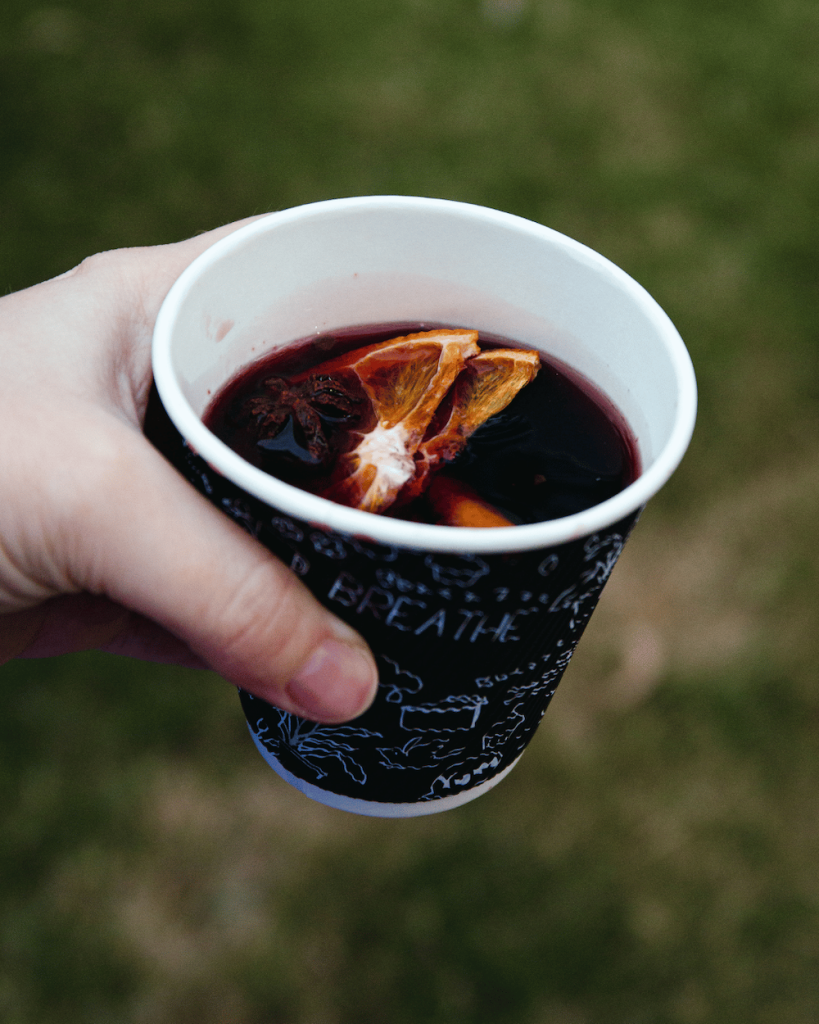
A pop-up bar will also serve traditional Glühwein, commonly known as mulled wine, adding to the European-inspired winter atmosphere.
Glühwein Photo Credit: Supplied
Market organisers have promoted the event as a chance for residents to experience a different side of the popular Saturday market, with extended trading hours and entertainment continuing into the evening.
Live Entertainment Planned Across Two Stages
Music will play a central role in the Winter Wonderland event, with performances scheduled across two live music stages during the six-hour market.
Photo Credit: Supplied
Roving entertainers will move throughout the venue, while winter-themed performers are also expected to add to the atmosphere.
The combination of live music, food, shopping and entertainment is designed to create a festival-style experience for visitors looking for a weekend outing in Brisbane’s north.
Family Activities to Keep Children Entertained
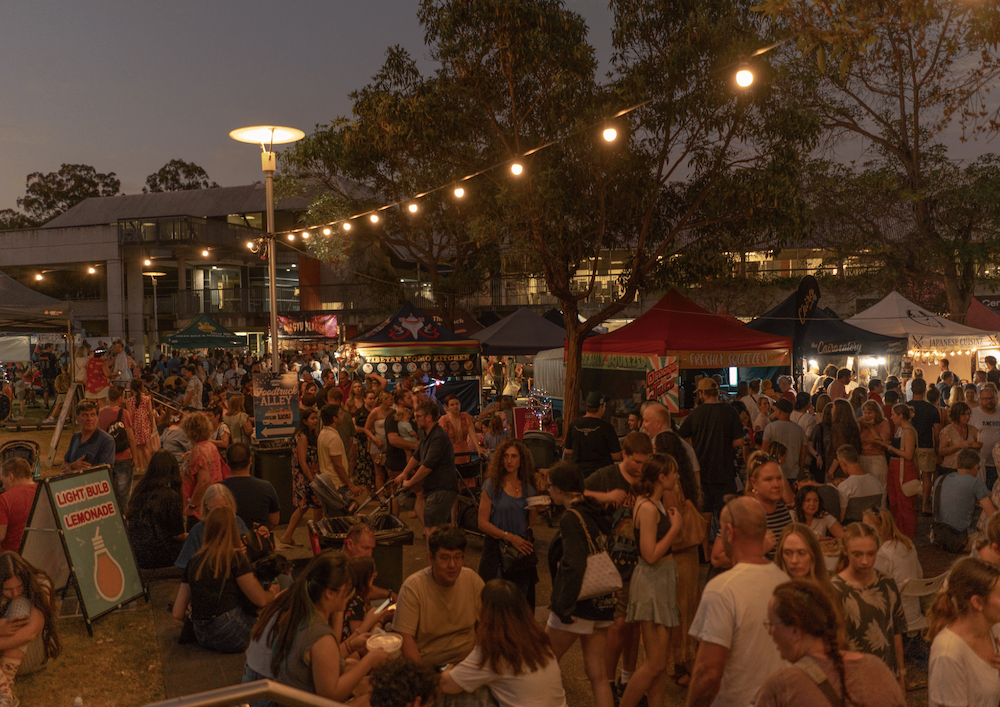
Families attending the event will have access to a range of activities aimed at younger visitors.
Photo Credit: Supplied
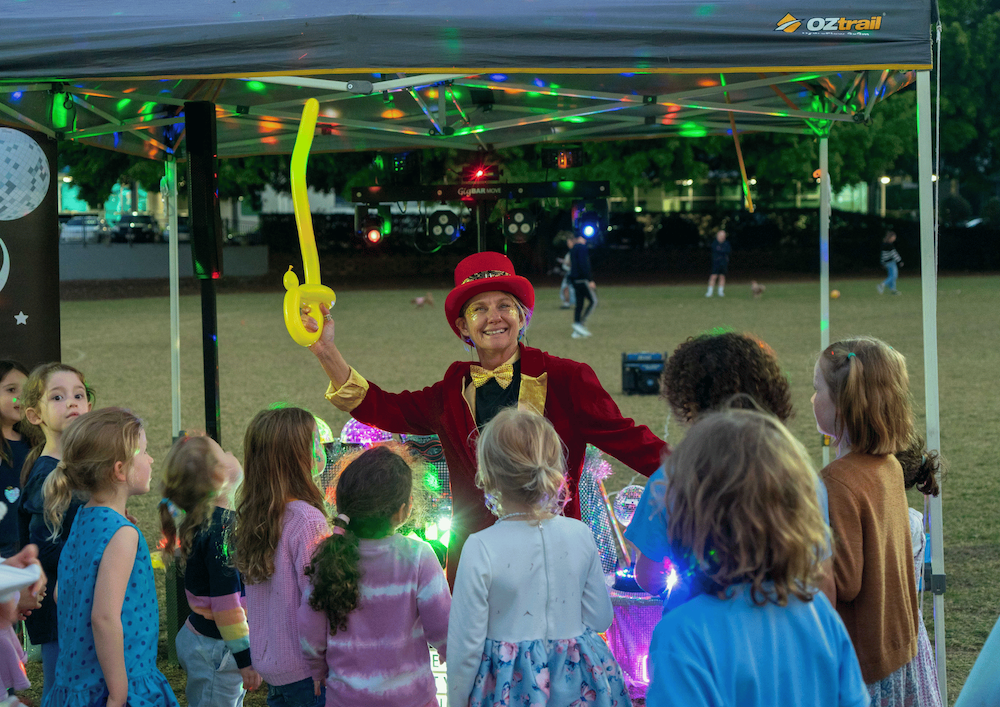
Children can take part in a dedicated kids’ disco, while face painting, circus acts, stilt walkers and roaming winter characters will provide entertainment throughout the evening.
The family-focused activities reflect the broader community role the markets have developed over the years, attracting residents from surrounding suburbs including Aspley, Bracken Ridge, Bald Hills and Fitzgibbon.
Carseldine Markets Continue to Draw Thousands Each Week
Carseldine Markets remains one of North Brisbane’s largest community markets, attracting more than 5,000 visitors during its regular Saturday morning operations.
In addition to its weekly farmers and artisan markets, the venue hosts a range of themed events and twilight markets throughout the year.
The Winter Wonderland Twilight Market forms part of that events program, offering a seasonal gathering that combines local businesses, food vendors, entertainment and community activities in one location.
Entry to the event is $4, with gates opening at 4:00 p.m.
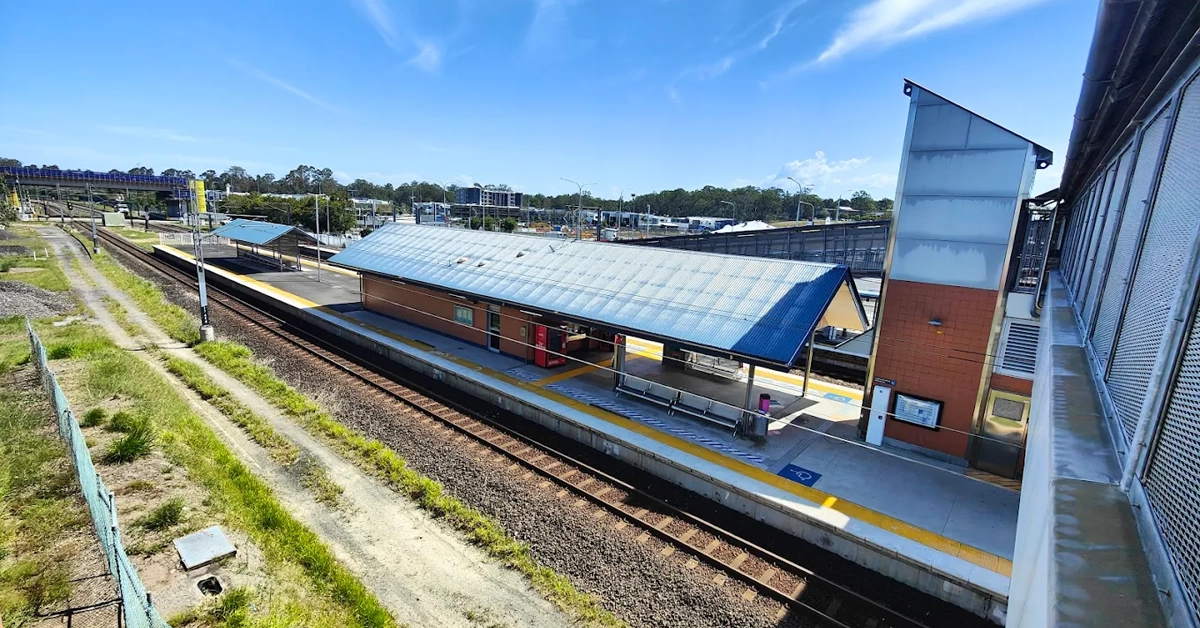
A Carseldine station signal fault brought a miserable start to the working week for thousands of north Brisbane rail commuters on Monday, with delays stretching across three lines and lasting the better part of the morning.
The fault emerged around 7:40am and disrupted services on the Caboolture, Redcliffe Peninsula and Sunshine Coast lines running in both directions. Trains were not stopped entirely, but were required to slow significantly to safely pass through the affected area, creating a cascade of delays felt across the network.
TransLink advised that all inbound services on the affected lines would make additional stops at every station between Zillmere and Northgate — adding further time to an already frustrating commute.
Queensland Rail reported the fault had been repaired by around 9:00am and that trains were returning to timetable, albeit with residual delays. However, the ripple effects proved stubborn: TransLink was still reporting waits of up to 30 minutes for inbound services and 15 minutes for outbound as late as 10:20am. It was not until around 11:00am that services fully returned to their normal schedules.
The cause of the fault remains under investigation by Queensland Rail staff.
The disruption landed just a week after the train network was taken offline for a scheduled maintenance period — a timing that drew pointed frustration from commuters who took to the Queensland Rail Facebook page to vent. Many questioned what the maintenance had actually achieved. Others raised concerns about the network’s capacity to handle the expected surge in visitors and passenger numbers ahead of the Brisbane 2032 Olympic Games. A handful pointed out the irony of paying the state’s flat-rate fare for a service that had left them late for work with no compensation on offer.
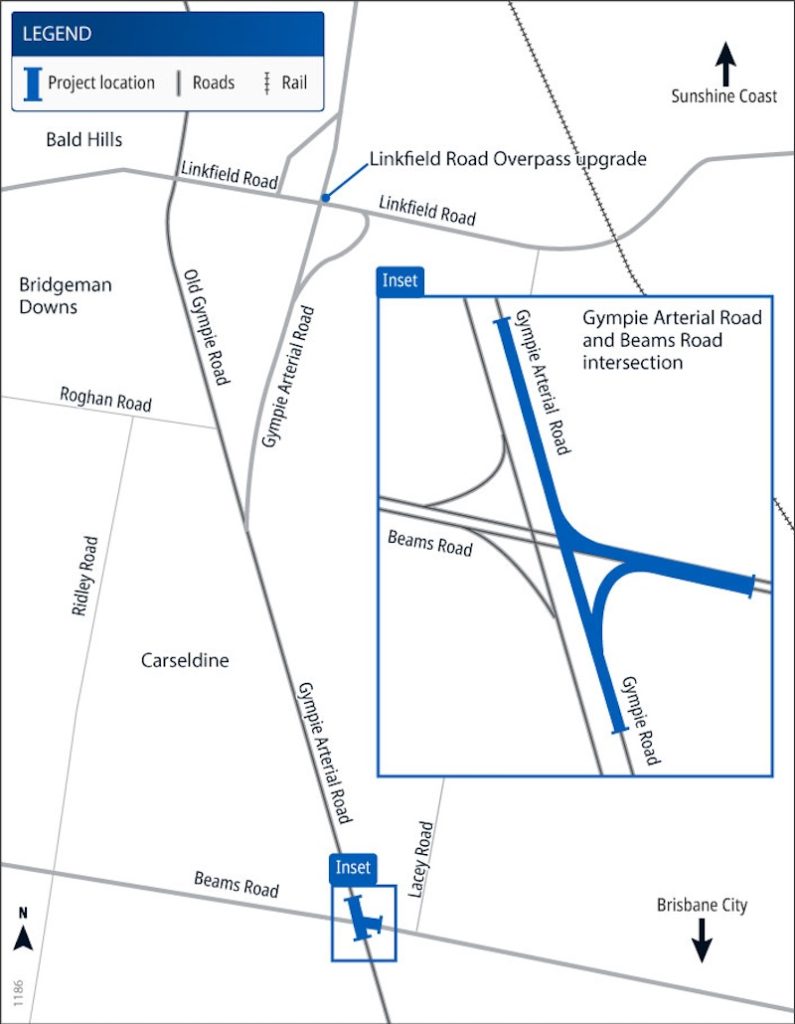
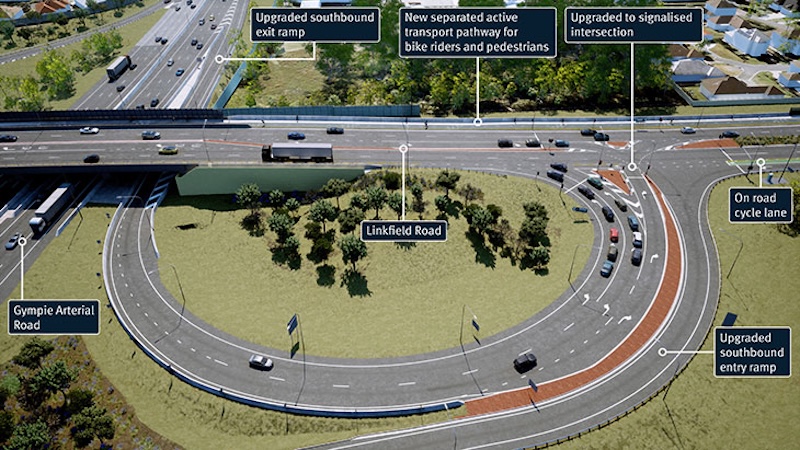
Carseldine commuters could soon see relief at one of Brisbane’s most congested junctions, with Queensland moving ahead on plans to upgrade the Gympie Arterial Road and Beams Road intersection, a long-standing bottleneck affecting daily travel across the northern suburbs.
The upgrade will be delivered alongside the duplication of the Linkfield Road Overpass, combining two major works into a single construction package aimed at improving traffic flow in Brisbane’s north.
Expressions of Interest (EOI) for the project have now opened, marking a key step toward construction and signalling that planning has progressed into the contractor selection phase.
The intersection at Carseldine has been under increasing strain as surrounding suburbs continue to grow. According to the Queensland Department of Transport and Main Roads, the area serves as a critical link for local commuters, freight operators and public transport, making congestion a daily issue for many residents.
Details on the government’s Gympie Arterial Road and Beams Road intersection upgrade project page show that the planned works include additional lanes and improved turning capacity, aimed at easing traffic build-up and improving safety for all road users.
The project is part of a broader effort to support population growth in Brisbane’s north, where traffic volumes have steadily increased over recent years.
Procurement process signals next stage
The opening of the EOI confirms that the project is moving beyond early planning. The tender process will identify construction partners capable of delivering both the intersection upgrade and the Linkfield Road Overpass duplication under one contract.
Information from the eTender listing outlines a scope that includes expanded road capacity and intersection improvements designed to reduce delays and improve travel times. Bundling the two projects means a streamlined delivery that will minimise disruption during construction.
Part of wider transport investment
The Carseldine upgrade is funded under the state’s Safer Roads, Better Transport program and is also reflected in the Brisbane North allocation within the Queensland Budget. Planning documents indicate the project is intended to support safer travel conditions while improving access for local communities and businesses.
While timelines for construction have not yet been confirmed, the start of the EOI process suggests the project is moving closer to on-ground works.
Aspley residents will benefit from significant infrastructure and community investments following the 2025–26 Budget announcement, with nearly $2 million allocated for local sporting facilities and a major upgrade planned for one of the area’s busiest intersections.
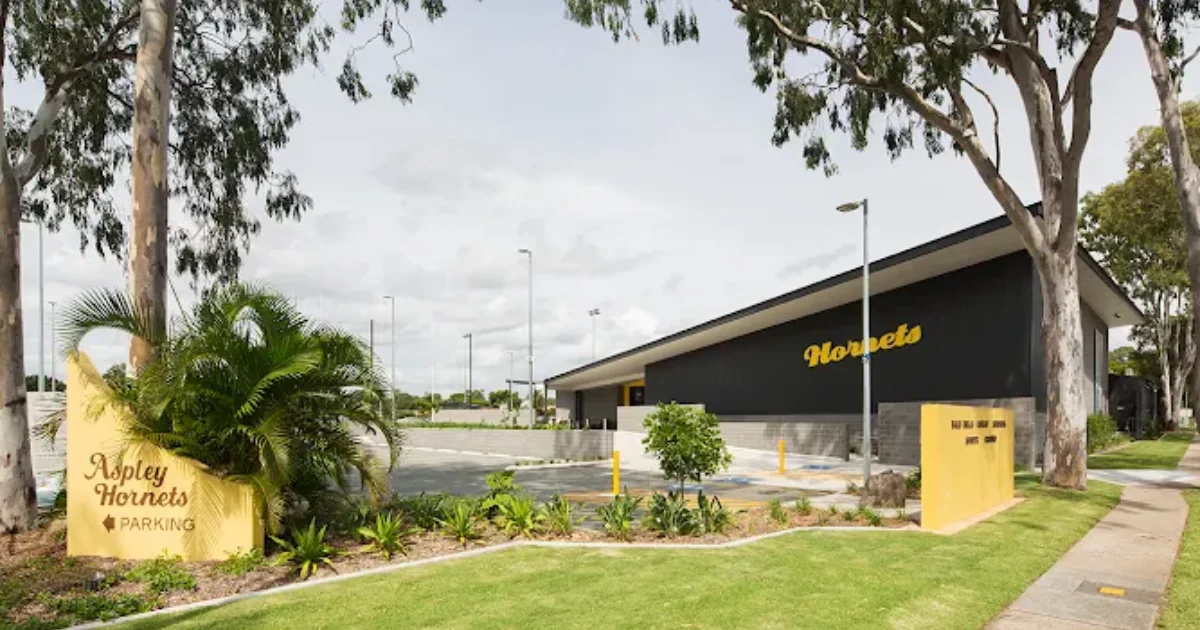
The Aspley Hornets Football Club will receive $1.8 million under the Games On! program to upgrade its clubhouse facilities. The funding forms part of a broader commitment to grassroots sport across Queensland, with all Games On! commitments fully funded in the Budget.
Games On! for the Hornets
Photo credit: Facebook/Aspley Hornets Football Club
The $1.8 million investment will support clubhouse improvements at the Aspley Hornets Football Club. Member for Everton Tim Mander confirmed all Games On! commitments for the electorate are fully funded in the Budget, including support for the Aspley Hornets.
The Games On! program represents a $250 million investment in community sporting facilities across Queensland.
Supporting young people in Aspley
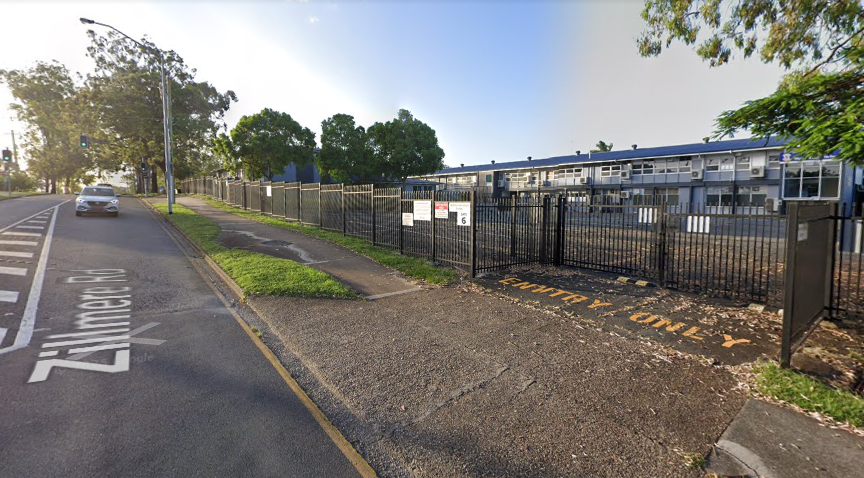
Photo credit: Google Street View
In addition to the sporting infrastructure investment, Aspley State High School will receive $27,000 to fund mentoring programs for students. The funding comes under the Supporting Our Local Communities initiative.
The $27,000 will support mentoring activities for students at the school.
Major intersection upgrade on the way
Photo credit: Google Street View
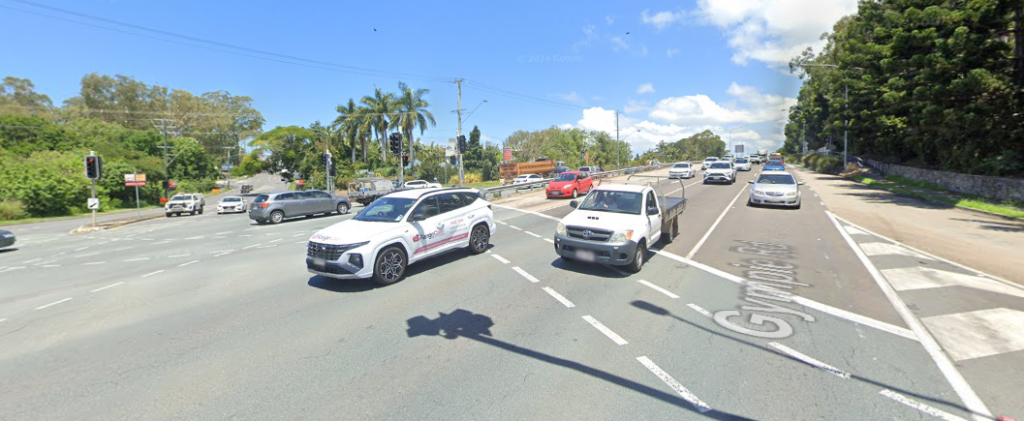
The 2025–26 Budget also delivers an upgrade for the Gympie Road and Beams Road intersection in Carseldine.
The intersection currently carries more than 80,000 vehicles daily. The upgrade aims to improve traffic flow and reduce congestion.
Part of a bigger picture
These Aspley-focused investments form part of broader Budget commitments across Brisbane’s northern suburbs. The Budget includes $52 million for the Boondall police facility upgrade, $7 million for Ferny Grove police station improvements, and various school and community facility upgrades across the region.
The Hospital Rescue Plan will also benefit northern suburbs residents, with major expansions planned at Prince Charles Hospital including at least 93 new beds, a new emergency department, paediatrics and operating theatre.
For local residents, the Budget delivers tangible improvements to everyday life. The Hornets clubhouse upgrade will enhance local sporting facilities. The mentoring program investment supports young people at a crucial stage of their development. And the intersection upgrade addresses congestion affecting thousands of daily commuters.
As implementation plans are developed and construction timelines confirmed, Aspley residents can expect to see these Budget commitments take shape over the coming months and years, contributing to a stronger, more connected community.
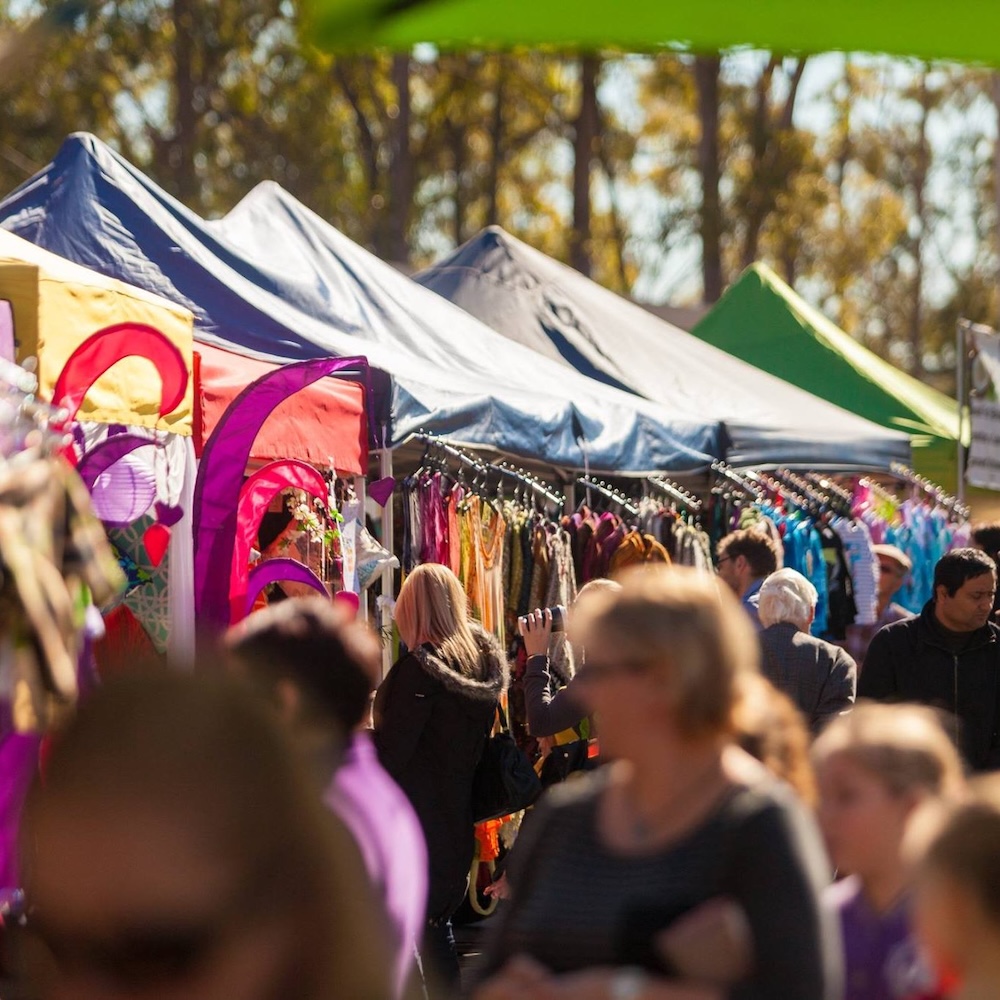
Carseldine’s much-loved Farmers & Artisan Markets are back for 2026, with the weekly event returning to 133 Dorville Road and once again filling Saturday mornings with fresh produce, handcrafted goods and a strong community atmosphere.
The 2026 season officially kicked off on Saturday, 10 January, running from 6:00 a.m. to 12:00 p.m., and will continue every Saturday with free entry for visitors. Organisers say the focus remains on championing South East Queensland growers, makers and small businesses, while offering locals an easy way to shop small and eat well.
Photo Credit: Supplied
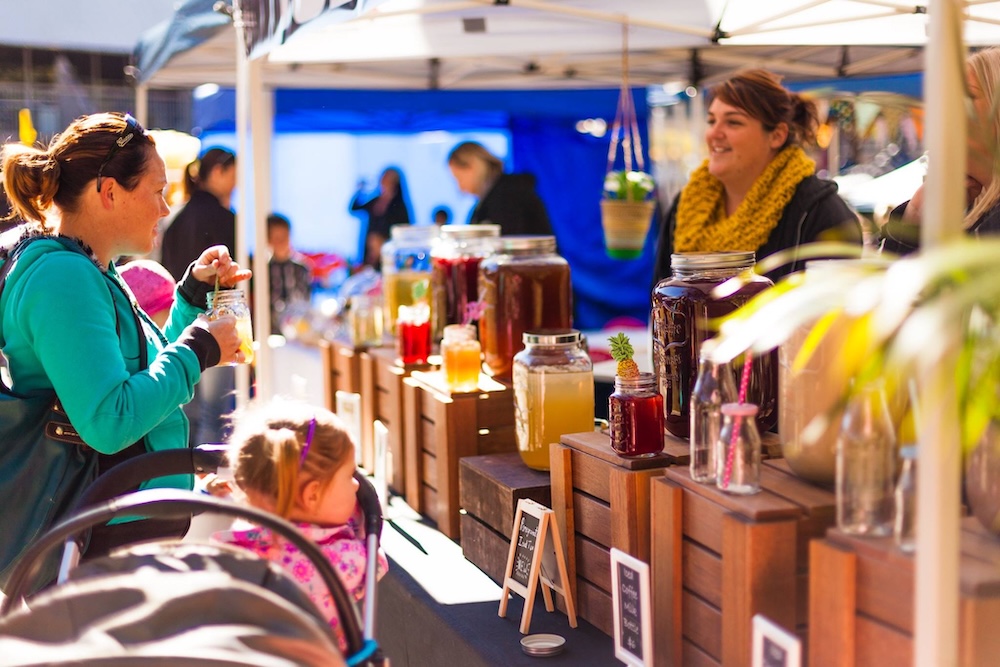
Shoppers can expect stalls packed with seasonal fruit and vegetables sourced from across the region, alongside gourmet meats, local seafood and artisan cheese. The market also features flowers and plants, arts and crafts, handmade gifts, homewares, health and lifestyle products, plus alternative therapies — all accompanied by live music from local performers.
Fan favourites are set to return throughout the year, including Wamuran Berries, Honey Badger Coffee, and The Meat Truck, with vendors bringing their best every week for early birds, families and brunch-bound locals alike.
Photo Credit: Supplied
With more than 5,000 customers typically passing through on a Saturday morning, Carseldine Markets has become one of North Brisbane’s busiest farmers and artisan markets. Alongside the weekly event, the team is also known for an active calendar of twilight markets and themed pop-ups.
The markets are presented by Goodwill Projects, a Queensland-based company that curates events and venue experiences across the state.
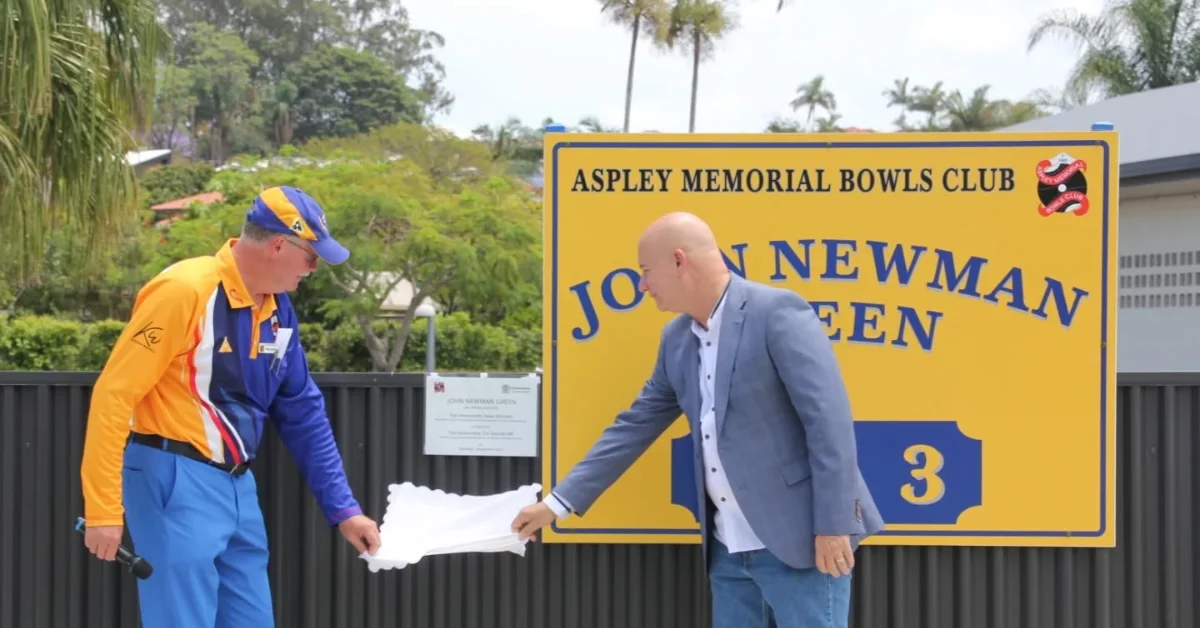
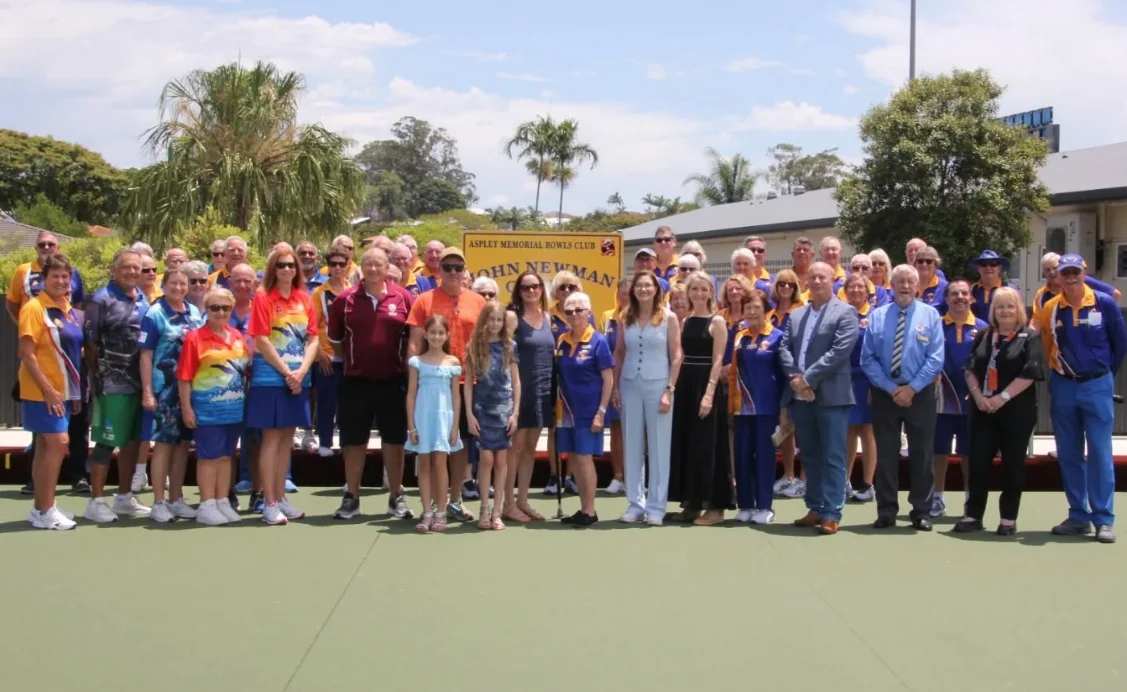
Aspley Memorial Bowls Club officially opened its new John Newman Green 3, honouring long-time member John Newman in a ceremony attended by family, officials, and club supporters in Aspley.
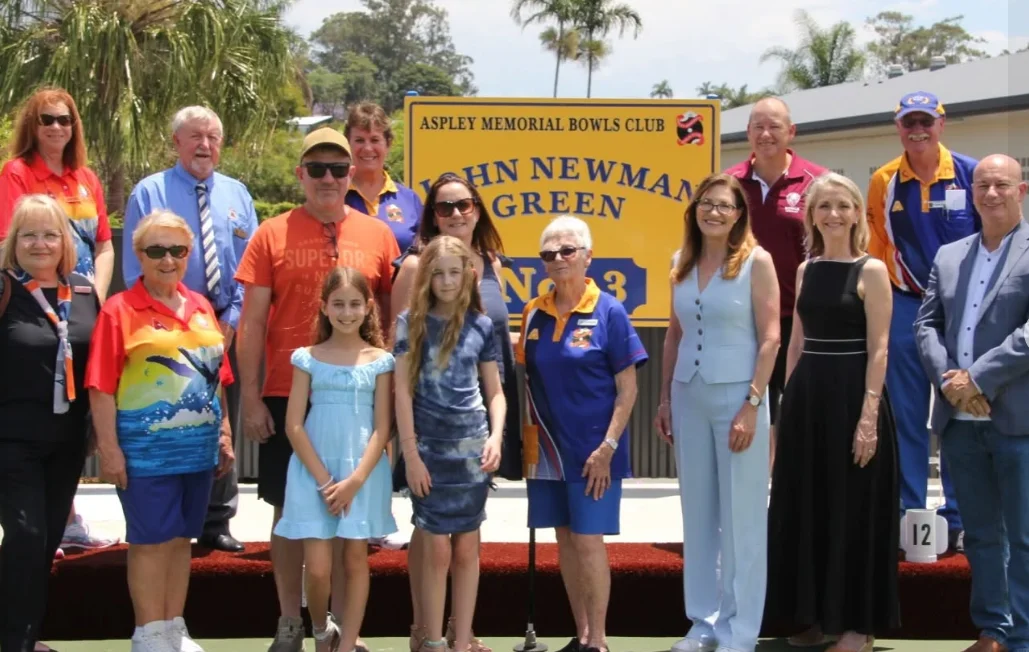
The Aspley Memorial Bowls Club hosted the official opening of the John Newman Green 3 on Saturday, recognising the dedication of the late John Newman, who served as a club member for 40 years. The new green was named in his honour to acknowledge his longstanding contribution to the club’s growth and success. Club members, supporters, and the Newman family attended the ceremony to celebrate his legacy.
The official opening featured the unveiling of a plaque to commemorate the occasion. The event was organised by club member Michael Skinner, with photography by Mia Congram. Those in attendance included Jill Newman and family, Brett Wilkie from Bowls Queensland, and representatives from the Moreton Bay District Bowls Association, Geebung RSL, and local organisations. Guests also included former club supporters Amanda Cooper and Councillor Sandy Landers. The event reflected the close ties between the club and the wider community, showcasing the collective effort that supports its continued development.
Located at 20 Kookaburra Court in Carseldine, the Aspley Memorial Bowls Club—known locally as “The Friendly Club”—operates three artificial greens, one of which is covered and two fitted with lights. The club caters to players of all ages, encouraging both social and competitive participation. It offers regular playing sessions, barefoot bowls, and community events throughout the year, providing opportunities for both experienced and new bowlers to get involved.
Promoting Health and Connection
Beyond sport, the club acts as a social hub for residents in and around Aspley. It offers venue hire for community functions and family gatherings, supported by volunteers and local sponsors. Upholding family-friendly values, the club operates without gambling facilities and focuses on providing a welcoming space for recreation, connection, and active living.
The addition of the John Newman Green 3 marks a major step forward in maintaining high-quality playing surfaces and ensuring the club remains a key part of the community’s sporting life. The development strengthens Aspley’s reputation for supporting local sport and continues the legacy of members like John Newman who contributed decades of service to the club.
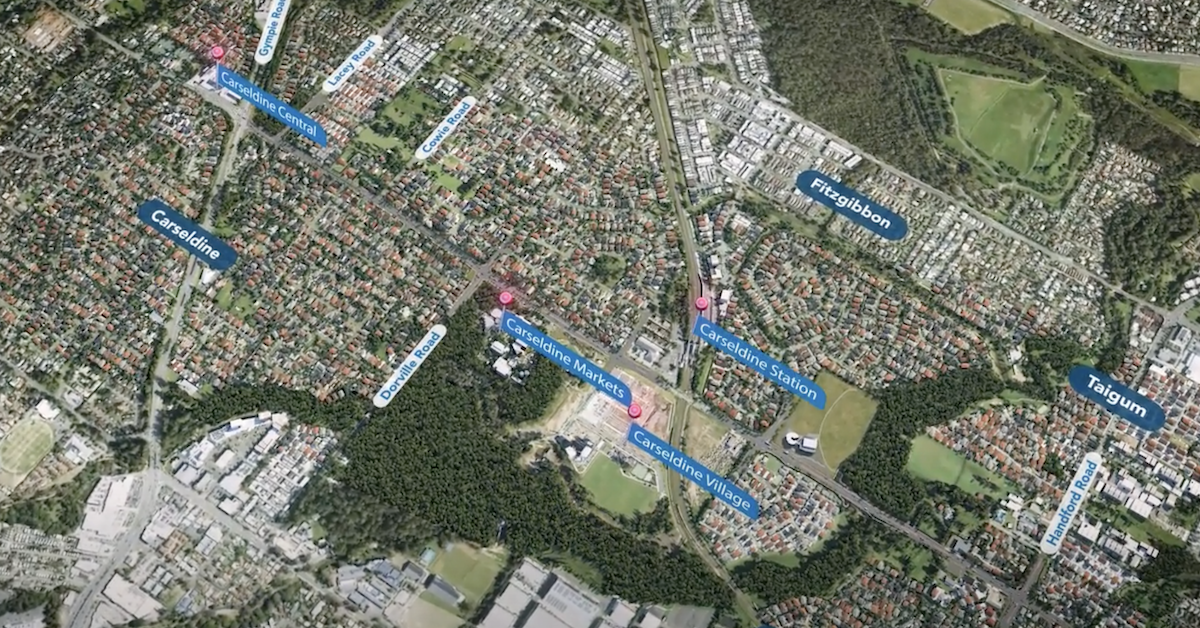
Brisbane could soon see a new fleet of electric buses, known as Metro Gliders, linking suburbs to the city’s high-frequency public transport network. A $50 million rapid business case has been launched to investigate four potential Metro extension routes, reaching Carseldine, Springwood, Capalaba, and the airport.
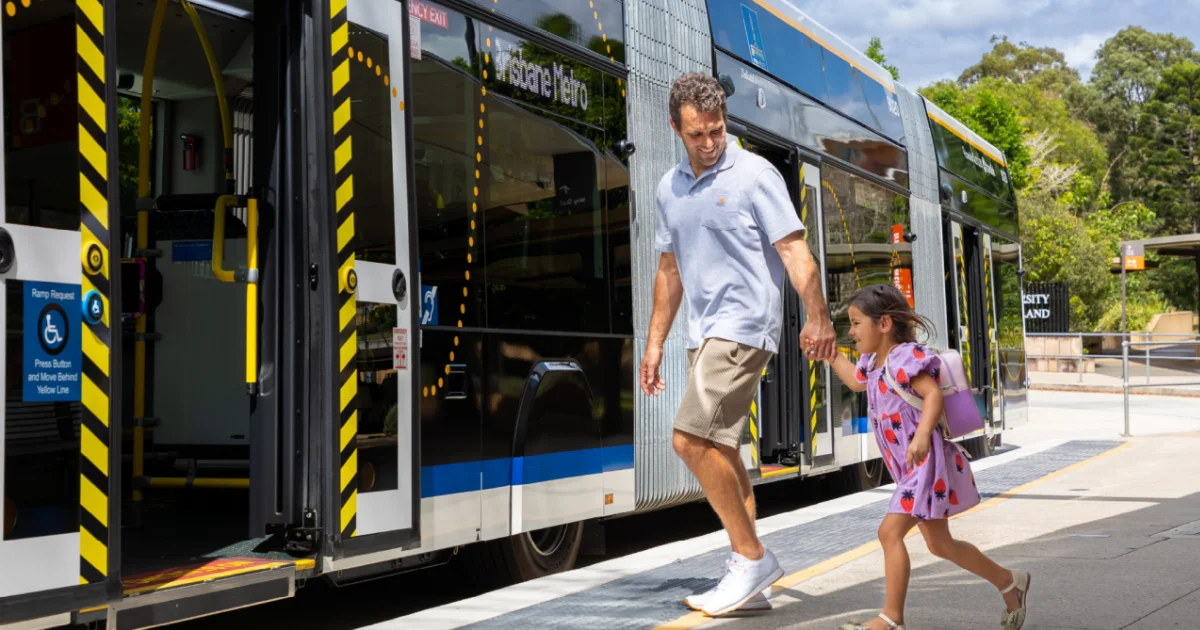
Metro Gliders are smaller, more agile electric buses modelled after the Brisbane Metro. They are designed to act as suburban connectors, moving passengers from local streets onto main Metro lines and train stations. Their compact size allows them to navigate corridors that larger Metros cannot, improving access to high-frequency routes.
Photo credit: metro.brisbane.qld.gov.au
RACQ has urged the rollout of Metro Glider services as a practical way to expand public transport coverage. The organisation supports these buses as a means to help ease congestion and link more communities to the city’s broader transport network. Metro Gliders could complement existing bus and train services, acting as feeders that make it easier for residents to access high-frequency routes.
An SEQ Gliders plan suggests that the buses could operate along major corridors such as Lutwyche, South Pine, Samford, Waterworks, Ipswich, Logan, Sandgate, and Wynnum roads, as well as key city arteries like the Centenary Motorway and Coronation Drive. Metro Gliders could also extend to outer areas, including Ipswich, Redcliffe, Caboolture, and the Gold Coast.
Metro Gliders could be deployed more rapidly than larger Metro extensions because they primarily require upgrades to existing road networks rather than entirely new busways. This approach allows faster deployment compared with full-scale Metro infrastructure.
Brisbane Metro M1 and M2 route map (Photo credit: metro.brisbane.qld.gov.au)
Early Metro services have shown strong uptake. The M2 route between UQ Lakes and the RBWH, launched in January, has recorded over 3.3 million trips, while the M1 service connecting Eight Mile Plains and Roma Street, which began in June, has carried nearly one million passengers.
RACQ research has highlighted that congestion and limited transport options remain key concerns for residents. The organisation has emphasised that better planning and strategic expansion of public transport are important to meet the needs of a growing population. Metro Gliders are identified as a solution to help fill gaps in the current network, improving access and connections to the city.
By connecting suburban areas to city hubs and existing train stations, Metro Gliders could provide more options for commuting and help reduce pressure on roads. Communities from Carseldine to Capalaba could see improved access to public transport through these smaller, more agile buses.
With the $50 million business case underway, Brisbane’s public transport network could become more integrated and better connected, with Metro Gliders serving as an important addition to the city’s transport options.