


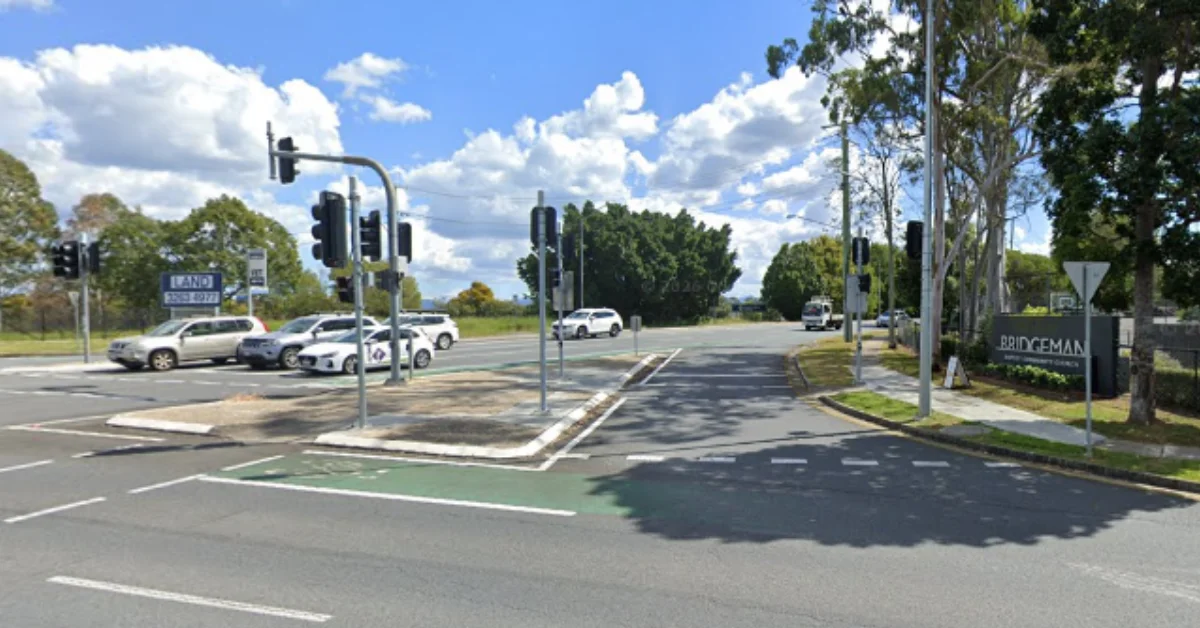
Bridgeman Downs is a familiar name on Brisbane’s northside, but the story behind it leads back to an Irish migrant, a substantial landholding, and a family whose lives unfolded largely elsewhere.
Read: Two Suburbs, Two Very Different Versions of Brisbane’s Housing Boom
So, who was Bridgeman Downs named after? Historical research points to Henry St John Bridgeman, a bank manager who migrated from Ireland to Queensland in the 1860s. His documented connection to the area came through land ownership, although the family did not live on the land that would eventually carry his name.

The Landowner Behind the Name
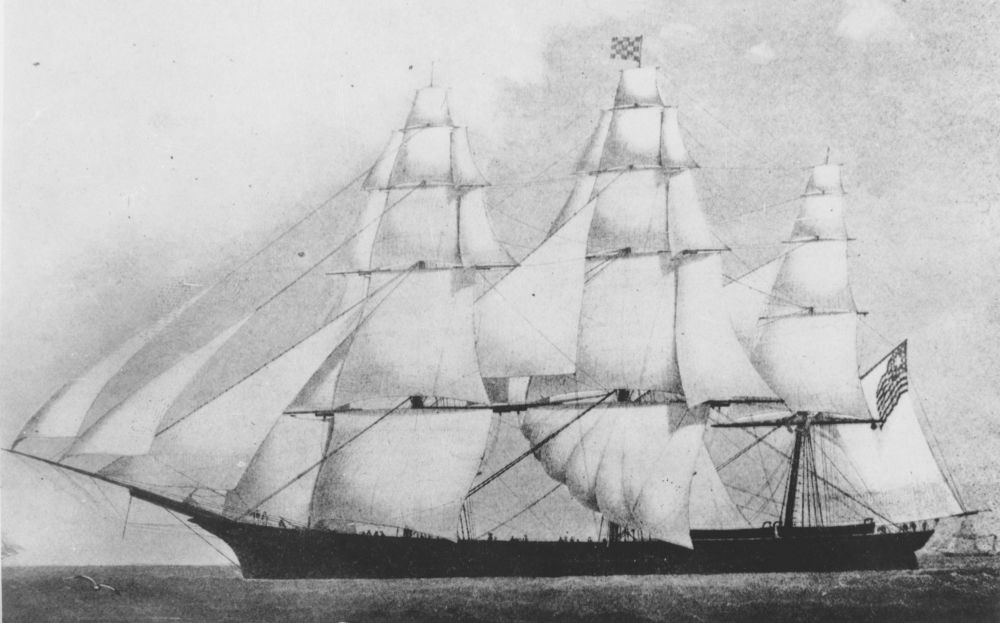
Research by the State Library of Queensland established that Bridgeman arrived in Brisbane aboard the Golden City on 9 March 1863, having left Queenstown, now Cobh, in Ireland, on 10 December 1862.
He arrived with his wife, Frances, their nine children and a servant, Johanna Quinn. Land Order records show the family obtained four land grants in 1863, followed by another in 1865 and a further grant in 1874.

The records provide a clear documented connection to the area now known as Bridgeman Downs. H. S. Bridgeman’s name appeared on 153 hectares of land there, while his holdings also extended across 433 hectares in the present-day Boondall-Sandgate region.
Bridgeman Downs was named after H. S. Bridgeman in 1977. The land was later acquired by the Queensland Immigration Society and used for pig raising and field crops. It remained farmland for about 80 years before being subdivided in 1957.
The district was once quite different from the residential suburb residents know today. Its agricultural history stretched across decades, long before suburban development changed the landscape.


The Family That Lived Somewhere Else
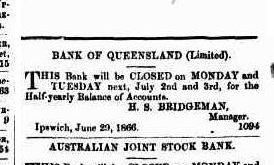
Despite the family’s connection to the land, their known homes were elsewhere. The Bridgemans first lived in Ipswich, where Henry worked for the Bank of Queensland. A seventh daughter, Isabella, was born there in 1866. The family later lived in Light Street, Fortitude Valley, which remained their home for many years.
Henry died in Light Street in 1878, while Frances died in 1901. Their children went on to pursue different lives. Lucy and Agnes became nuns and teachers with the Sisters of Mercy. Lucy, known as Sister Mary Bega, died in 1877, while Agnes, Sister Mary Theresa, lived until 1931 and taught at convents in Central Queensland.
Other members of the family remained in Brisbane. Constance and Mary lived in Light Street and ran a business. Johanna died in 1881 at the age of 27, while Isabella, the only Queensland-born child, died in 1886 aged 20. Their brother Henry died in 1891, aged 36.
Only two of the ten Bridgeman children are recorded as having married in Queensland. Richard married Johanna Liebs in 1882, while Teresa married P Banks Wilkins in 1899 and later remarried in 1905.
One part of the family’s story remains unresolved. The State Library’s research did not locate records for the youngest son, Orland, although Frances Bridgeman’s obituary in 1901 stated that she was survived by four daughters and one son.
A Name That Stayed on the Map
The history behind Bridgeman Downs is therefore less about a family settling in the suburb and more about the landholding that connected Henry St John Bridgeman to the district.
Today, Bridgeman Downs is a residential suburb, a marked change from the farmland that once occupied the area. The suburb was gazetted in 1977, preserving the Bridgeman name long after Henry’s death.
Read: From Aspley Netball Courts to Queensland Basketball History: Kath Williamson’s Story
For a name now attached to streets, homes and a whole suburb, its origins are surprisingly easy to overlook.
To trace the Bridgeman family is to look to Ireland, Ipswich, Fortitude Valley and Central Queensland. Just not, it seems, on the land that eventually became Bridgeman Downs.
Published 27-August-2026