




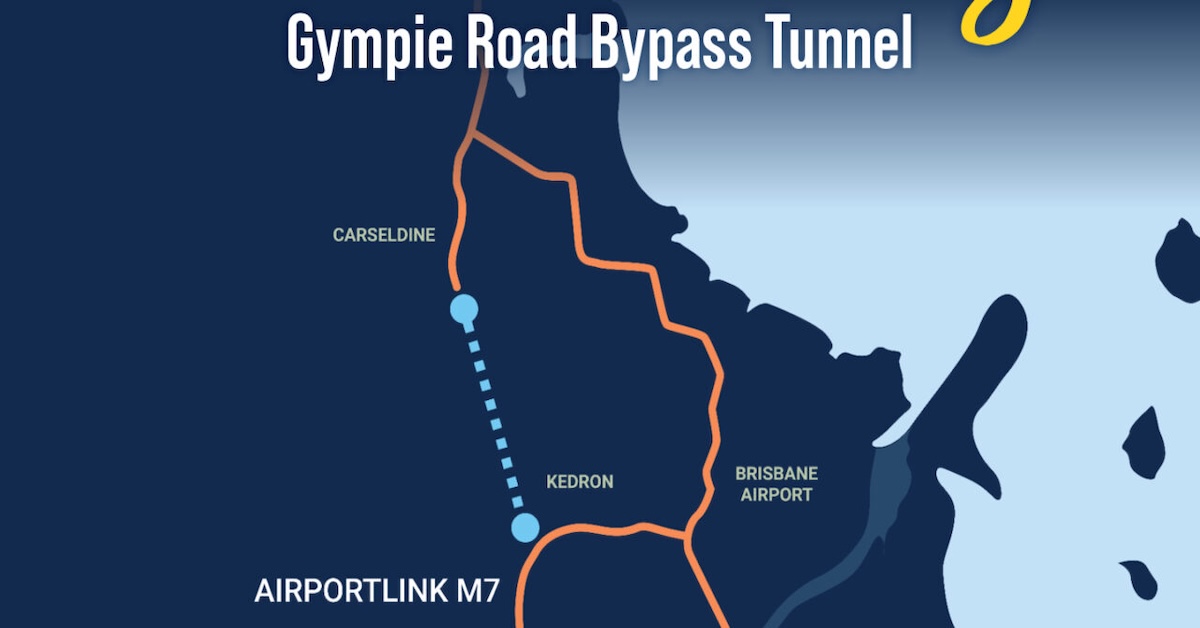
Residents across Carseldine and Brisbane’s northern suburbs could be waiting until after the 2032 Olympic and Paralympic Games before construction begins on the long-promised Gympie Road bypass tunnel, following comments made during Brisbane City Council’s latest budget.
The future timing of the project has come under renewed scrutiny after LM Adrian Schrinner referred to the tunnel as one of the first major projects expected to begin after the 2032 Games.

The remarks have sparked a debate over whether northside commuters will face nearly a decade of further gridlock before work starts on one of Queensland’s most significant proposed road projects.
Bypassing Brisbane’s Busiest Bottlenecks
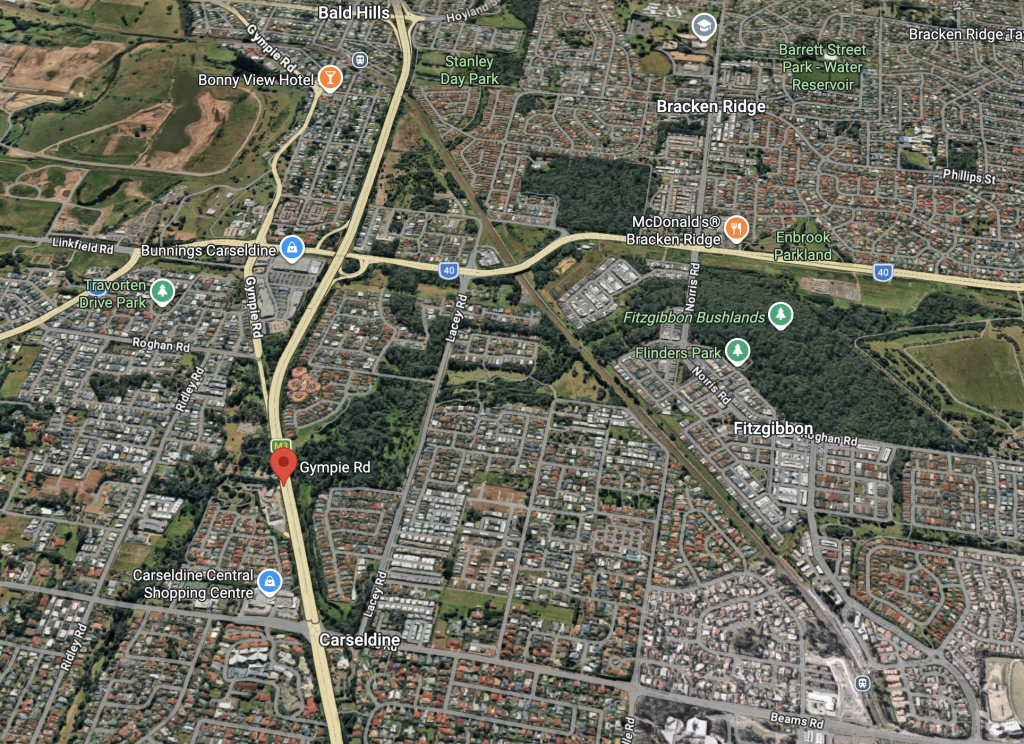
The proposed nine-kilometre underground tunnel is designed to link Carseldine and Kedron, carrying through-traffic away from Gympie Road’s most congested sections. Motorists regularly face severe delays at key intersections—including Beams, Hamilton, Rode, and Stafford roads—as rapid population growth puts immense pressure on Brisbane’s northern transport corridors.
While planning documents have identified potential entry and exit locations near Chermside, the project has effectively become a political football regarding its actual delivery timeframe.

Tug-of-War Over Timelines
In June 2026, the budget comments quickly triggered pushback. Opposition leaders argued that northside residents should not have to wait years for relief, highlighting the daily toll the congestion takes on thousands of commuters.
In response, the State Government rejected suggestions that the project had been sidelined. Transport Minister Brent Mickelberg maintained that planning remains actively underway, progressing as promised during the 2024 state election campaign.
Mr Schrinner’s office also sought to clarify the remarks, claiming the comments reflected the project’s massive, long-term scale rather than a formal delay. They noted that mega-infrastructure projects inherently require extended planning periods, drawing parallels to other major transport schemes that took a decade to transition from blueprint to bitumen.


Community Divided on Alternative Solutions
The ongoing uncertainty has also intensified community debate over whether a mega-tunnel is the right fix. While many motorists view the underground bypass as the only practical way to remove through-traffic from surface roads, a growing contingent of residents argues for faster, more sustainable alternatives.
Online community forums show strong support for pivoting funding toward expanding dedicated northside busways, extending the Brisbane Metro further north, and upgrading rail infrastructure rather than continuing to focus heavily on road capacity.
Years of Planning and Millions Committed
Despite the uncertainty, the project has already progressed through several costly planning stages:
- 2023: The Queensland Government allocated $35 million for a detailed business case overseen by North Brisbane Infrastructure (under the Queensland Investment Corporation).
- 2024: The state budget injected a further $318 million for pre-construction activities, including technical studies, traffic modelling, and environmental assessments.
- 2025: Responsibility for the project was officially transferred to the Queensland Department of Transport and Main Roads (TMR), which continues to review the data to balance immediate and long-term traffic solutions.
Published 22-Jun-2026
Updated 13-Aug-2026